
Checklist:
• Reagan and Gorbachev’s late Cold War meetings
• The Reykjavik summit and the search for trust
• The film’s cast and behind-the-scenes source material
• Nuclear arms talks and the push for reductions
• The movie’s release and the message it aims to leave behind
Five meetings, two rivals, and a world held together by nerves and hope. That is the pressure cooker at the center of The Brink of War, a new film that takes audiences inside the Reagan-Gorbachev era and the tense talks that helped steer the Cold War toward its final chapter.
Ronald Reagan and Mikhail Gorbachev first connected in Geneva in 1985, but Reykjavik is where the dynamic really sharpened. The Iceland summit did not produce a neat handshake ending, yet it cracked open something even more important: a real sense that the two men could sit across from each other and keep talking.
Director Michael Gunn says that part of the story still hits hard because modern life has become a nonstop shouting match. He was drawn to the idea that two leaders with every reason to distrust each other still chose the room, the conversation, and the grind of negotiation over silence.
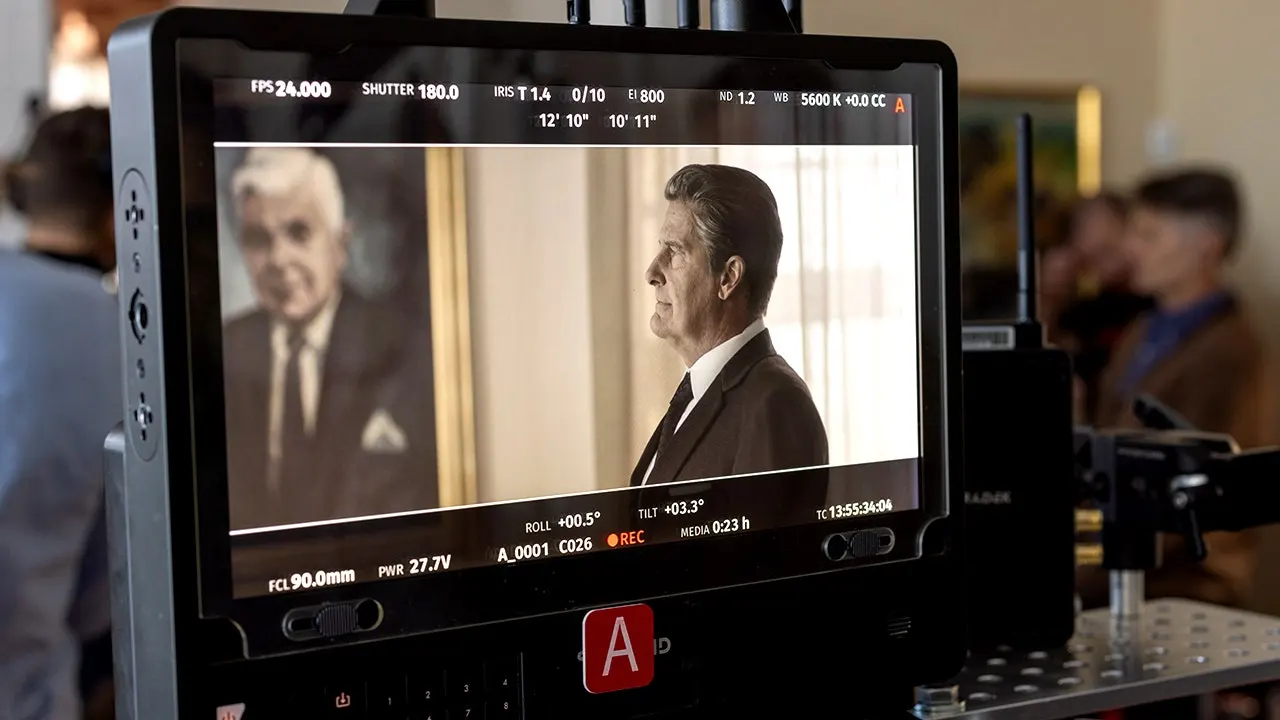
Jeff Daniels plays Reagan, with Jared Harris as Gorbachev and J.K. Simmons stepping in as Secretary of State George Shultz. Shultz becomes a key presence in the film, and Gunn’s work was shaped by long conversations with him along with declassified transcripts that helped ground the script in real detail.
That kind of access gives the movie a sharper edge. It is not just about famous names or dramatic speeches, but about the uneasy human chemistry that can decide whether history bends toward peace or keeps grinding toward danger.
The film leans into both the optimism and the frustration of the period. Reagan wanted progress, but he also had real doubts about trust, and the story shows that tension without sugarcoating it.
Even so, Reykjavik turned into a launch point for more talks, more pressure, and eventually more progress. The summit helped set the table for later breakthroughs, including the INF Treaty, which forced both sides to eliminate an entire category of nuclear weapons.
That matters because the arms race was not some abstract chess game. It was a race built on weapons with the power to reshape cities, governments, and entire generations, which is why any serious reduction carried so much weight.
Reagan’s own words after the summit captured that shift in tone. He described the talks as the closest the two sides had come to real reductions in strategic and intermediate-range weapons, and he pointed to the possibility of eliminating offensive ballistic missiles as something once dismissed as fantasy.
Gunn clearly sees that moment as more than a historical footnote. In his view, the deeper lesson is that progress starts when people stay in the conversation long enough to find a genuine partner, even when the stakes are ugly and the odds look bad.
That message gives the film a present-tense feel. In an era still shaped by international tension, the story of two adversaries trying to lower the temperature lands with a lot of force, especially when the alternative is letting fear do all the talking.
The Brink of War opens in theaters Aug. 14, bringing that mix of danger, doubt, and stubborn diplomacy back into view. The timing feels deliberate, because the movie does not just revisit the past, it pushes the audience to sit with how much can change when leaders refuse to walk away.
