
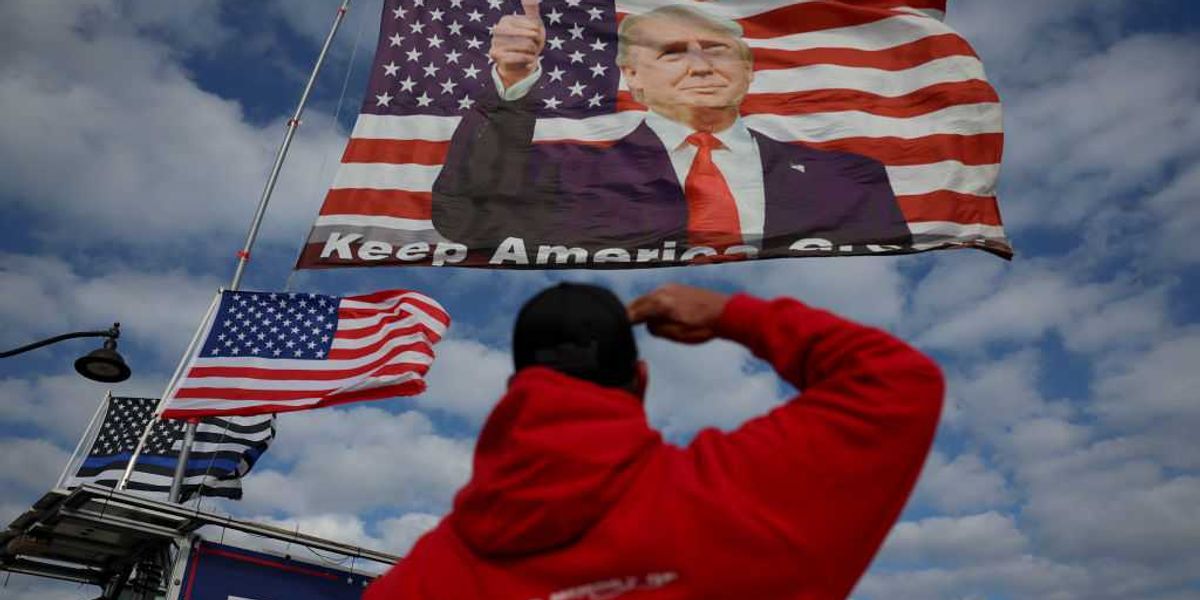
Donald Trump has moved from shock to status, and that shift matters. The feverish obsession that dominated headlines has cooled, people are treating the presidency with a little more normalcy, and the public mood is quietly changing. This piece looks at how that calm returned, what it means for institutions like sports and the press, and why Americans might prefer steady governance over nonstop outrage.
For years the media and coastal culture treated Trump like an anomaly that must be fought at all costs, and that constant alarm wore the country thin. Now the noise is fading and Americans are finally catching their breath, focusing more on daily life than on perpetual scandal. That shift is not a cleanup act — it is a restoration of political common sense.
When the country stops seeing presidential power as an existential crisis, institutions start acting like institutions again. Teams accept invitations, officials show basic respect for the office, and citizens notice progress where they live. That return to ordinary civic rituals helps heal divisions that were deepened by nonstop political theater.
People in cities that leaned hard left have noticed practical improvements and are saying so out loud. Crime cleanups and restored public spaces are changing how some voters view leadership, and gratitude is replacing rage in unexpected pockets. That kind of grassroots shift matters more than an angry tweet or a hot take on cable news, because it affects daily life where people actually live and work.
Even figures who once savaged Trump have softened, and those moments are worth watching. When media personalities meet leaders across the aisle and find common ground, it dents the caricature-driven politics that did so much damage. Real conversations make it harder to treat opponents like enemies and easier to treat them like people with different views.
Sports are a perfect example of the normalization at work. Teams are showing up at the White House again, and athletes are reminding the country that patriotism can be simple and sincere. As Jack Hughes put it, “Everything is so political. We’re athletes. We’re so proud to represent the U.S., and when you get the chance to go to White House and meet the president, we’re proud to be Americans and that’s so patriotic.”
The larger political lesson is practical: voters want positive reasons to choose a candidate, not just opposition to another. As one internal review plainly admitted, “anti-Trump sentiment alone was insufficient to motivate voters” in 2024, and that point is a wake-up call for those who bank on perpetual fury. Campaigns and media that rely solely on anger find their wells running dry when people want tangible results.
Politics is a season, not a state of nature, and Americans are tired of living like every day is an emergency. Normalcy does not mean surrendering to mistakes or ignoring flaws, it means turning down the volume so policy and performance can be judged without the fog of constant outrage. When institutions work, when leaders restore public spaces and respect traditions, people notice and the culture relaxes.
Trump is still a larger-than-life figure, but he is also a man with the same everyday realities we all have, and that perspective matters. The relentless framing of him as the singular cause of every problem has lost its grip, and a healthier politics treats leaders as accountable adults rather than symbols to be endlessly vilified. The country is starting to act like it believes in itself again, and that’s a good sign for civic life and for future elections.


1 Comment
Finally just shut up critics OK been damn noise since First term