
Checklist:
- Trump’s Greenland deal and permanent U.S. military rights
- Limits on Russia, China, and non-NATO activity
- National security and Arctic strategy
- Existing U.S. military presence and future installations
- Denmark, Greenland, and the diplomacy behind the agreement
President Donald Trump has locked in a major Arctic win, striking an agreement with Denmark and Greenland that gives the United States permanent military rights on the island. The deal opens the door to lasting access, basing, and overflight privileges, while also allowing new U.S. military sites if the situation demands it. For Washington, that is a big shift in a region that has become more important by the day.
The agreement goes well beyond a standard defense arrangement. It blocks Russia, China, and other non-NATO countries from setting up military bases or keeping troops in Greenland, and it also tightens the rules around investments in sectors tied to national security. That matters because the Arctic is no longer a sleepy map corner. It is a pressure point, and everyone with ambition knows it.
Secretary of State Marco Rubio praised the deal as a straight-up win for the country, saying it protects U.S. interests in the Arctic without costing taxpayers a dime. He framed Greenland as part of North America’s strategic defense line, not just a remote island with ice and rock. That kind of thinking has become central to how the administration is handling the region.
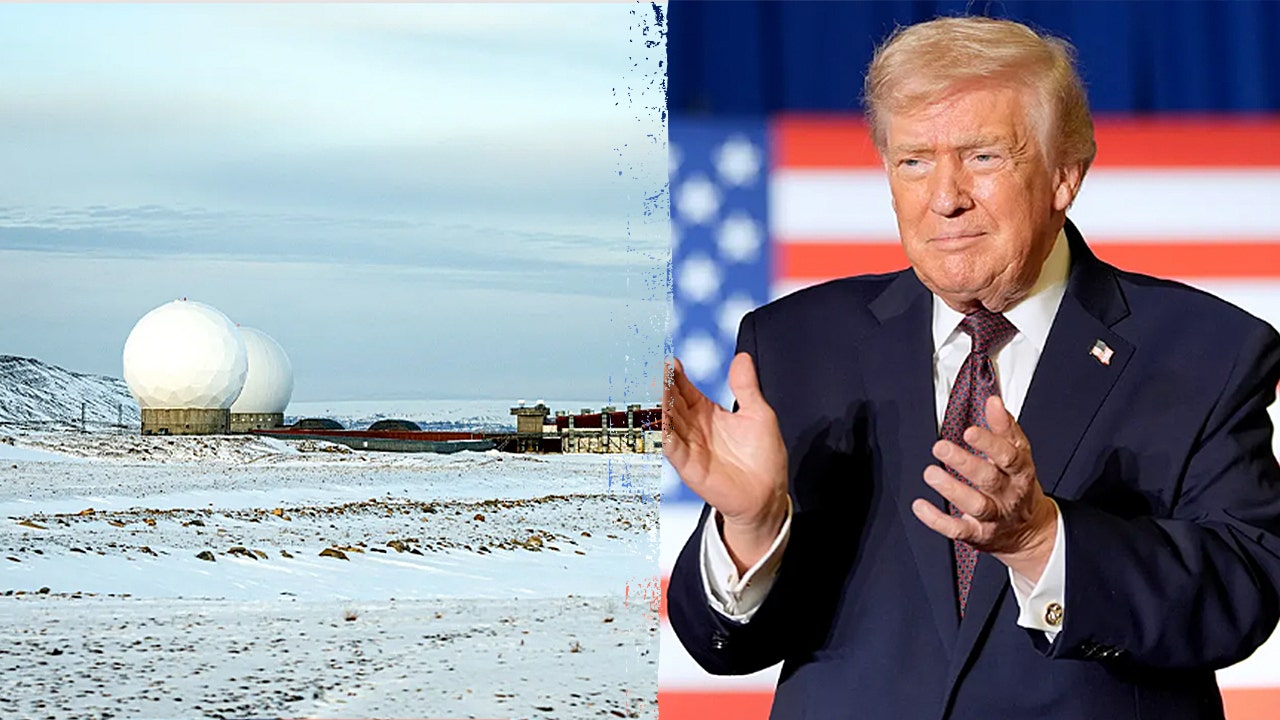
The U.S. already has a foothold there through Pituffik Space Base, and the new agreement expands that posture in a serious way. Under the deal, Denmark and Greenland would not get veto power over future U.S. military installations. The United States would consult with them, but it would not need their approval to build when national security calls for it.
That detail is doing a lot of heavy lifting. It means Washington is not just preserving what it already has, but setting itself up to move faster if the Arctic security picture gets worse. The deal also stays in effect even if Greenland eventually becomes independent, which gives it a durability that most foreign agreements never get.
Trump made clear that he sees the arrangement as more than paperwork. On Truth Social, he called it an “Infinite Life” agreement and said that past presidents knew Greenland mattered but never acted on it. The message was blunt and unmistakable: this is about power, deterrence, and control of a region that could shape the next phase of global competition.
The administration also sees the island as part of a larger defense plan, including the proposed Golden Dome missile defense system. A bigger U.S. presence in Greenland could help strengthen that network and make the Arctic less vulnerable to surprise threats. In practical terms, the island sits in a spot that matters for watching, warning, and responding.
There is also a clear economic angle built into the agreement. The U.S. and its allies can make sensitive investments in areas like telecommunications, undersea cables, ports, and critical minerals, while hostile powers are kept out. That is not just about commerce. It is about stopping civilian-looking infrastructure from turning into a back door for adversaries.
For years, Trump has argued that Greenland’s location makes it too important to ignore, especially as Russia and China keep pushing deeper into the Arctic. The deal reflects that mindset in hard terms, not slogans. It also draws a line around the same kind of strategic vulnerability that has worried U.S. officials elsewhere, especially where foreign money can quietly shape critical infrastructure.
Negotiations were not quick or flashy. Officials from the United States, Denmark, and Greenland reportedly spent months working through quiet talks before landing on terms all sides could accept. Denmark and Greenland may have started out skeptical, but the final arrangement shows how national security concerns can force old assumptions to give way.
The pace of Arctic change is not slowing down, and neither is the competition around it. As the U.S. digs in, Greenland is suddenly looking less like a distant territory and more like one of the most contested pieces of real estate on the planet. That reality is now baked into the deal, and it is likely to echo in the region for a long time.
