
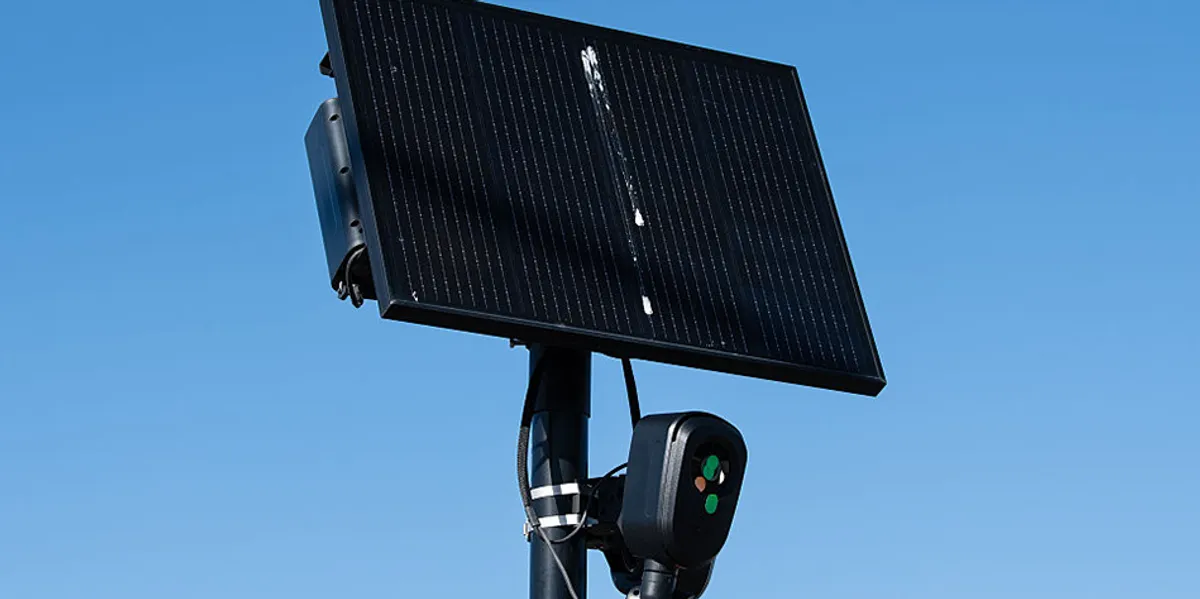
Vandals ripped into a Flock camera and expected a quick win, but what came next turned the moment into a headache for anyone hoping to keep its inner workings quiet. Instead of just leaving wreckage behind, the incident exposed a device built around surveillance, connectivity, and the kind of hardware that is getting pushed deeper into public life.
- Vandalism that exposed the inside of a Flock camera
- The growing reach of automated license plate recognition technology
- How connected devices blend surveillance and networking
- The role of Android and embedded tech in modern camera systems
- Public unease around visible and hidden monitoring tools
The damaged camera ended up doing something far more revealing than simply breaking. It put a spotlight on a class of devices that are usually treated like ordinary street hardware, even though they are packed with sensors, software, and communications gear that make them far from ordinary.
Flock cameras have become one of the most recognizable names in automated license plate recognition. They are designed to capture vehicle data, help identify patterns, and feed information into systems used by law enforcement and local agencies. That makes them useful, but it also makes them easy to view as part of a much larger surveillance machine.
The interesting part of this incident is not just the vandalism itself, but the glimpse it gave into how these devices are put together. Once the outer shell was compromised, the camera’s internals made it clear that this is not a simple point-and-shoot setup hanging from a pole. It is a connected product built to observe, process, and transmit information with very little fuss.
That reality has fueled a lot of the public debate around ALPR systems. Supporters see a practical tool for catching stolen cars, tracking suspects, and giving police another layer of visibility. Critics see a rolling record of movement that can follow innocent people just as easily as it can follow criminals.
What makes the story hit harder is the way modern surveillance tech has quietly borrowed from the consumer electronics world. Devices like this often rely on familiar software ecosystems, including Android-based components, which helps them stay flexible and easier to manage. The result is a strange mix of street-level policing gear and the same kind of digital architecture found in countless everyday devices.
That blend of familiar and intrusive is exactly why these cameras keep drawing attention. They do not look dramatic from a distance, yet they sit in the middle of one of the biggest conversations in tech and public safety. People are increasingly aware that the hardware watching traffic can be far more advanced than the average person assumes.
The vandalism also raises a broader question about what happens when surveillance tools become part of the scenery. Once a device is mounted high on a pole or tucked into public infrastructure, it can disappear into the background even while it continues collecting data. That low profile is part of the appeal, but it is also what makes some people uneasy.
There is a real tension here between convenience and control. Cities want tools that can help solve problems fast, but residents are left to wonder how much information is being gathered, where it goes, and how long it sticks around. That gap between what people see and what the system is doing behind the scenes keeps widening as the tech gets smarter.
What the damaged camera showed, almost by accident, is that these systems are built with a lot more going on under the hood than many expect. The sleek housing hides a device meant to work constantly, quietly, and at scale. And once that kind of machine gets dragged into the open, even by vandals, the conversation around surveillance gets a little harder to avoid.
