
President Trump declared the ceasefire with Iran effectively dead after a string of attacks on commercial shipping and quick Iranian strikes on U.S. positions, prompting a forceful CENTCOM counterattack and renewed U.S. sanctions. The breakdown in the memorandum of understanding has pushed Washington back into kinetic responses while allies voiced outrage and Iran boasted of hitting dozens of American targets. The developments unfolded at a NATO summit where Trump spoke bluntly about the regime and signaled further action.
The truce the U.S. signed with Tehran promised an end to offensive military moves and a pause on sanctions, with a pledge to work toward a final peace agreement and keep the Strait of Hormuz open for commerce. That framework collapsed when several tankers in and near the strait were struck by projectiles and a drone, jeopardizing global shipping and testing the limits of any temporary deal. The attacks hit vessels flagged to the Marshall Islands, Saudi Arabia, and Liberia, according to U.S. authorities. U.S. Central Command confirmed those flags as it tracked the incidents.
CENTCOM described the strikes on commercial ships as a clear violation of the ceasefire and said they undermined freedom of navigation, language no neutral party can ignore. Allied governments, including Qatar and other regional players, publicly condemned the assaults and called for accountability. Iran did not formally claim responsibility for those specific strikes, but the pattern of behavior was unmistakable to many Western capitals.
In response, CENTCOM moved quickly and struck back, targeting Iranian air defenses, radar sites, command nodes, and anti-ship missile systems in and around the strait. Officials say more than 80 targets were hit and that some 60 Revolutionary Guard small boats were neutralized to blunt the immediate maritime threat. Those strikes were described as an immediate response to protect commercial traffic and U.S. forces in the region. CENTCOM reported the scope of the action and framed it as necessary to restore deterrence.
Alongside the military response, Washington re-applied sanctions on Iranian oil exports in an effort to squeeze Tehran economically. The sanctions move arrived the same day news came through of Iranian missile and drone launches against U.S. bases in the Gulf. Tehran’s state-aligned outlets praised their operation and released a sweeping claim about damage to U.S. installations, which only hardened U.S. resolve and public alarm. The dynamic quickly erased the veneer of diplomacy.
The Islamic Revolutionary Guard Corps claimed in a statement that “the naval and aerospace forces of the IRGC, through joint missile and drone operations, destroyed 85 major U.S. military installations in Port Salman, (the U.S.) Fifth Naval Base in Bahrain, and Kuwait’s Ali Salem Airbase, and shot down an enemy MQ9 drone that attempted to interfere in the operation.” That declaration was broadcast by Iranian media and intended to shape the narrative at home, but U.S. officials disputed the scale of any damage. One American source told reporters that intercepts and defenses meant missiles and drones “were intercepted or failed to hit anything or cause major damage.”
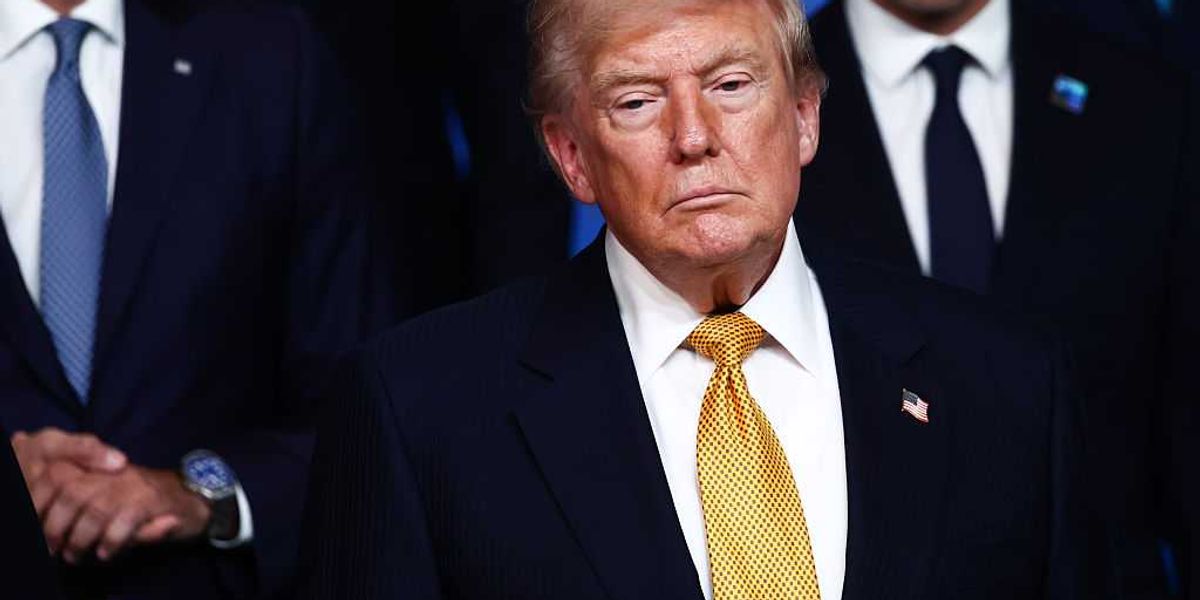
As the military and diplomatic fallout grew, President Trump spoke on the margins of the NATO summit and left no doubt where he stood. He returned to blunt, unfiltered language about Tehran and its leaders, making clear he saw little value in negotiating with those he described as violent and deceitful. The tone was unmistakably combative and aimed at signaling both resolve to allies and deterrence to adversaries.
https://x.com/CENTCOM/status/2074670840893870433
“To me, I think it’s over. I don’t want to deal with them anymore. They’re scum. You know what scum is? They’re scum. They’re sick people. They’re led by sick people. And they’re vicious, violent people.”
Trump added a stinging assessment of Iran’s leadership and methods, telling reporters that dealing with Tehran felt pointless after the attacks. “As far as I’m concerned, it’s just a waste of time dealing with them. … There’s something wrong with them. They’re cuckoo,” he said, words that echoed the frustration in Washington over repeated provocations. That blunt rhetoric matches a policy approach that favors decisive action over prolonged diplomacy.
The White House signaled the U.S. would continue to use military pressure, telling reporters the United States planned strikes to degrade Iran’s capacity to threaten shipping and bases. Officials framed the operations as calibrated responses meant to restore deterrence while avoiding a broader regional conflagration. Still, the message was clear: attacks on commercial vessels or U.S. forces will be met with force, and the temporary ceasefire is no longer a shield against retaliation.
All of this leaves allies and partners watching closely as the region edges toward a higher-stakes standoff. The U.S. response has layered diplomacy with military action and economic pressure, and Tehran’s retaliatory posture makes any return to the old quiet unlikely in the near term. With strategic waterways at risk and global energy markets on edge, the next moves will define whether deterrence holds or conflict escalates further.
