
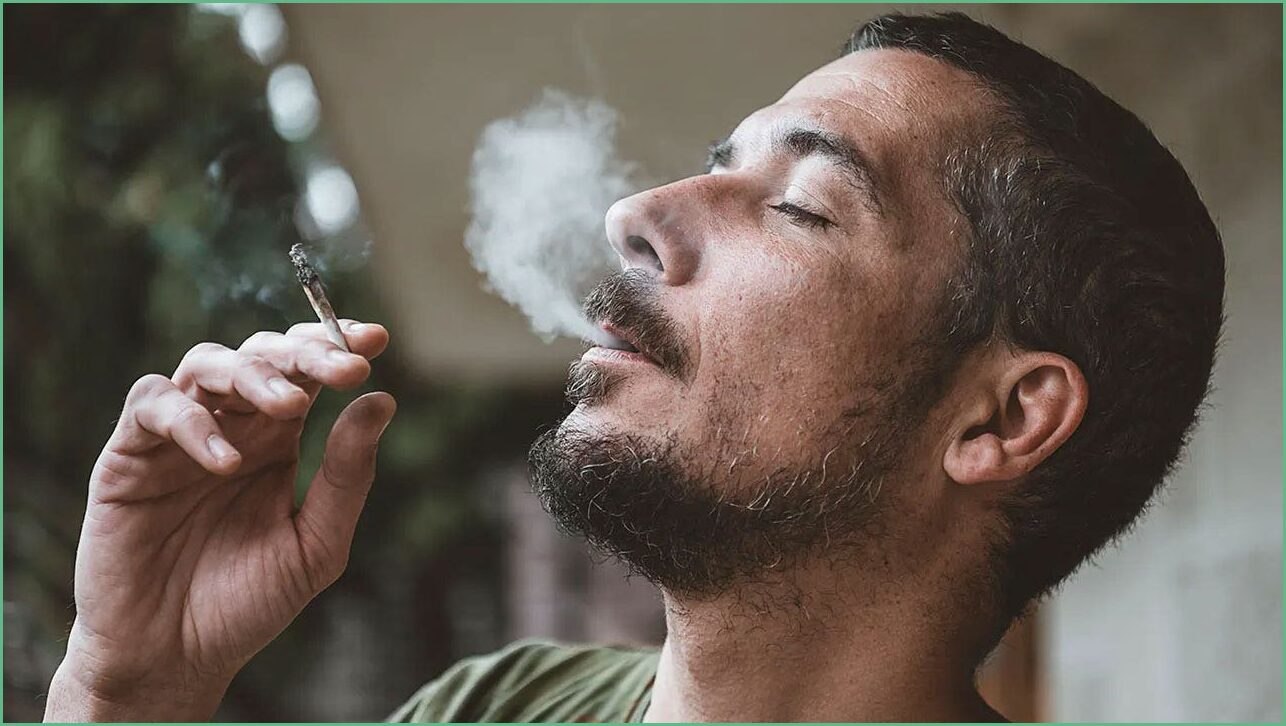
I argued against legalizing cannabis at AmericaFest 2025, taking a clear, skeptical Republican view that rescheduling and normalizing intoxicating drugs will deepen addiction, damage families, and cost lives. I challenged the libertarian frame that equates cannabis with alcohol and dismissed the notion that market access or medical branding solves the public harms. The case is straightforward: higher-THC cannabis is a real intoxicant, its benefits in controlled trials are weak, and the social costs are real and avoidable. We should discourage and stigmatize drugs of abuse rather than make them cheaper and more widely marketed.
My opponent was Katherine Mangu-Ward, the editor-in-chief of Reason magazine and a prominent libertarian voice, and she has argued for very broad drug legalization. Her pinned post on X calls for the legalization of heroin, so her consistency is obvious even if I strongly disagree. Libertarian purity sounds neat in a lecture hall, but it collapses under the weight of real-world fallout. Public policy has to weigh externalities, not just individual preference.
I use the phrase “drugs of abuse” deliberately. These are compounds that produce a subjective high and prompt repeated use. The chemical details matter less than the behavioral fact: people chase temporary pleasure and often pay for it later. Cannabis, especially today’s high-THC products, fits that definition.
TRUMP SIGNS ORDER TO RECLASSIFY MARIJUANA AS LESS DANGEROUS DRUG AMID GOP BACKLASH
Recent moves to “reschedule” cannabis will make it easier to obtain and normalize its use. That policy choice will not reduce harm; it will lower the barriers that keep casual experimentation from becoming addiction. Making something cheaper and easier to find usually increases consumption, and consumption carries risks. We owe it to communities to understand that dynamic honestly.
Cannabis has been tested in controlled trials, and the results are thin for most medical claims. At the same time, side effects are well documented. Psychosis, paranoia, violent reactions in rare but real cases, and syndromes like cannabinoid hyperemesis show up in ERs and on coroners’ reports.
TRUMP ADMIN DEBUTS ‘FENTANYL FREE AMERICA’ PLAN AS DEA TOUTS IMPACT OF CARIBBEAN BOAT STRIKES
Comparisons to alcohol don’t solve the problem either. Alcohol damages organs and kills via overdose in certain contexts, but cannabis inflicts different kinds of harm that are at least as severe in the psychiatric realm. It raises accident risk, spikes heart attack chances for vulnerable users, and erodes judgment in ways that ripple through families and neighborhoods.
Libertarians reply with “My drug, my body, my choice.” That phrase is direct and appealing until you see the fallout. Addiction isn’t a tidy private affair; it fractures households, bankrupts savings, and sometimes ends in violence or death. Those are external costs that markets and personal freedom arguments gloss over.
MAJOR CANNABIS STUDY FINDS LITTLE PROOF FOR POPULAR MEDICAL CLAIMS, FLAGS BIG DANGERS
We need policy that recognizes addiction’s externalities. That means discouraging use, not expanding markets. It means higher prices through taxation and regulation where appropriate, but it also means refusing to treat intoxicants as harmless consumer products. Stigma may sound harsh, but some stigmatization of risky behavior is a public good when lives are at stake.
Some argue that legalization simply moves use out of criminal markets and reduces violence. That claim has merit in limited contexts, but it ignores the scale question. Legalization that fuels an industry built on heavy use does not erase harm; it commercializes it. Industries profit from repeat customers, and repeat customers are often the people who suffer most.
FATAL CRASH REPORT FINDS NEARLY HALF OF DEADLY WRECKS TIED TO ILLEGAL DRUG
We can enforce sensible limits without turning users into felons for every act. The point is to avoid creating a cultural and economic ecosystem that normalizes binge use and dependence. Arrests for dangerous behavior like DUI remain appropriate, but public policy should go further: it should make use socially unattractive and practically costly for people who have not yet started.
SCOOP: ‘MAKE AMERICA FENTANYL FREE’ CAMPAIGN LAUNCHES TO HELP TRUMP LOWER OVERDOSE DEATHS
The libertarian solution of shrugging at addiction and blaming individuals is inadequate. Children, spouses, and coworkers pick up the tab for choices others make, and those harms deserve a policy response. We should push back against normalizing drugs of abuse and against policies that open markets to high-THC products with little proven medical benefit.
Legalization is not a neutral act. It reshapes markets, norms, and expectations. If we care about stable families, public safety, and citizens who can hold down work and relationships, we need a different path. That path starts by saying no to policies that make addictive drugs easier to buy and celebrate their use instead of discouraging it.
