
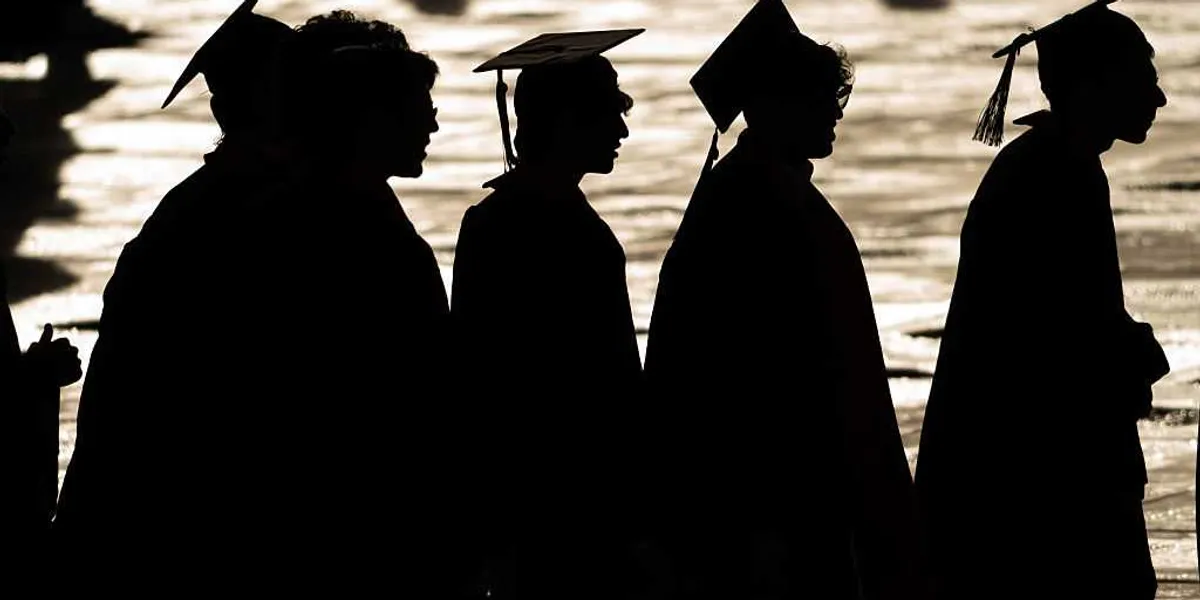
College campuses keep churning out graduates, but many employers are noticing a gap between polished diplomas and real-world readiness. That disconnect is not just about job skills, either, because it ties into grade inflation, campus politics, and a culture that often rewards conformity over hard thinking.
For years, universities have sold themselves as the surest path to success, yet too many students are leaving with expensive credentials and shaky confidence. The problem looks bigger at public universities, where money is tight, standards can drift, and administrators seem more interested in appearances than grit. Add in the pressure of activist campus culture, and the whole system starts looking less like a launchpad and more like a sorting machine.
One of the biggest warning signs is how easily inflated grades can hide weak performance. If nearly everyone gets pushed upward, then transcripts stop telling the truth, and students lose a clear sense of what they actually know. That kind of environment is especially rough on serious learners, because it blurs the line between excellence and just getting by.
There is also a deeper problem with intellectual conformity. In too many classrooms, the safest move is to repeat the approved line, nod at the right moments, and avoid saying anything that might annoy a professor or classmates. That does not produce sharp minds; it produces cautious ones, and cautious graduates tend to struggle when the workplace asks for initiative, judgment, and plain honesty.
The issue did not appear overnight. COVID-era disruptions exposed how fragile higher education had become, and the later battles over Trump, DEI, and bias only made the fault lines more obvious. Instead of building stronger institutions, many universities doubled down on politics, which left a lot of students stuck in a stew of slogans, grievance, and groupthink.
Republicans have long argued that higher education needs a reality check, and that critique has only grown louder as parents watch tuition climb while outcomes stay muddy. Liberal faculty often dominate the conversation, and when one worldview controls the room, dissent gets treated like a problem instead of a strength. The result is a campus culture that can feel less like a marketplace of ideas and more like a gated club with rules nobody voted on.
That matters because employers do not care about campus theater. They want people who can write clearly, solve problems, show up on time, and handle pressure without melting down at the first sign of disagreement. A degree should signal that kind of readiness, but when the system gets too soft, the signal gets weaker and everyone pays for it.
Students themselves are often caught in the middle. Many are trying to do the right thing, get an education, and build a future, but they are swimming in a culture that tells them comfort matters more than discipline. That message can be poisonous, especially when it turns college into four years of validation instead of four years of growth.
Even the old idea of western civilization, which once anchored a lot of academic study, has been pushed aside in favor of trendier obsessions. When students lose contact with the great books, shared history, and tough-minded debate, they also lose some of the intellectual backbone that used to make college worth the price. A university that forgets its roots can still hand out degrees, but it cannot fake wisdom.
The pressure to stay politically safe has only made matters worse. Intellectual conformity travels fast when careers, reputations, and social standing all depend on saying the expected thing, and that kind of environment trains people to avoid risk. Employers may not use the same language, but they notice the same thing: too many graduates are polished on the surface and thin underneath.
What makes this moment so striking is that the warnings are coming from all directions at once. Parents, students, businesses, and critics of academia are seeing the same cracks in the foundation, and the old prestige of higher education is not enough to cover them up anymore. The campus may still hand out applause, but the real world keeps asking harder questions.
