
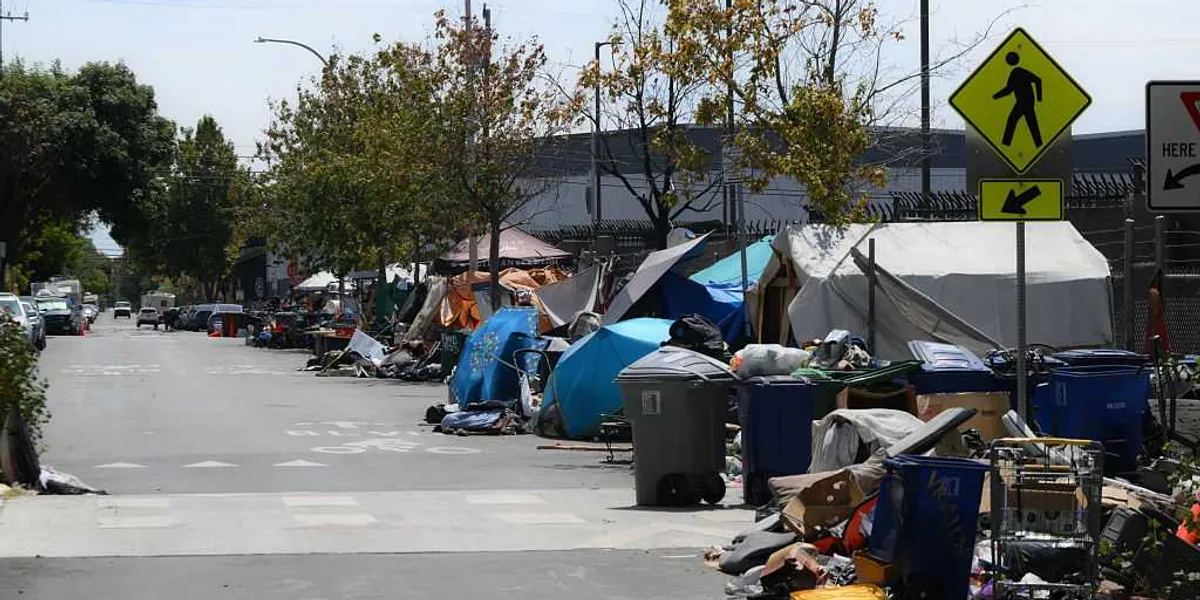
Homelessness has pushed past the usual talking points and into the kind of issue that can reshape campaigns, local budgets, and voter priorities all at once. What used to be treated as a niche urban problem now sits in plain view, forcing politicians from both parties to confront a mess that is visible, expensive, and hard to ignore.
The pressure comes from everywhere at once. Rising shelter demand, public camping, downtown disorder, and strained city services have turned homelessness into a daily frustration for residents who want cleaner streets and safer neighborhoods. That reality has a way of cutting through ideology, because people do not care about slogans when they are stepping over tents on the way to work.
For Republicans, the issue fits neatly with a law-and-order message that voters already understand. Local leaders are being pushed to explain why encampments keep spreading, why treatment systems fail so often, and why taxpayers keep footing the bill while visible problems only seem to grow. The argument is simple enough to stick: compassion without accountability ends up helping no one.
Democrats are not getting an easier ride. Their side often talks about housing shortages, mental health care, addiction treatment, and the need for more social services, but those answers can sound thin when people want immediate relief. Voters may support help for struggling people and still demand a tougher approach to public space, which leaves many Democratic officials trying to balance empathy with visible enforcement.
That tension is why homelessness is shaping up as a bipartisan political trap and, at the same time, a rare opening for cooperation. When a problem gets big enough, the usual partisan scripts start to look tired. Some voters want more beds, some want stronger standards, and many want both, which means the winning formula may be less about party identity and more about showing real control.
City halls have already been forced into hard choices. Clearing encampments can move people temporarily, but it does not solve the root causes. Building more shelters helps, but only if the system is safe, orderly, and connected to treatment, job support, and long-term housing options that actually hold up after the headlines fade.
Public frustration has also changed the tone of the debate. Residents who once tolerated disorder in the name of compassion are now asking why the same streets keep filling back up after every cleanup. That kind of fatigue matters, because elections are often won by the side that sounds closest to everyday reality rather than the side offering the most polished theory.
There is also a broader cultural piece here. Homelessness is no longer discussed only in terms of shelter capacity or social work; it is now tied to public safety, downtown recovery, mental health breakdowns, and the basic credibility of government. When people stop believing officials can manage a problem this visible, the political damage spreads fast.
Midterm races tend to reward clear contrasts, and homelessness gives both parties one. Republicans can argue for order, enforcement, and consequences. Democrats can argue for services, housing, and treatment, but only if they can show those ideas work in the real world instead of living forever in policy papers and campaign speeches.
That is why this issue keeps climbing. It is part moral crisis, part civic nuisance, part budget nightmare, and part test of whether government still knows how to handle problems that refuse to stay behind closed doors. The candidates who treat it like a photo-op issue are likely to get burned, because people living with the fallout are already past the point of pretending this can be wished away.
