
A fresh round of polling chatter has put Democrats in a tight spot heading into Election Day, and the warning signs are hard to ignore. The problem is not just one bad survey or one noisy headline, but a broader sense that the party is fighting uphill when voters are still sorting through what matters most.
National political analysts have been pointing to the same basic weakness: the numbers do not look as friendly for Democrats as they need them to be. That matters because polling is not just a snapshot, it can shape expectations, energize one side, and quietly drain confidence from the other.
One of the biggest concerns is that Democrats are not getting the kind of consistent support they hoped for in the places and groups that usually help build a winning coalition. When that kind of softness shows up late in the game, it can create real panic, especially if the race is already close.
Republicans, meanwhile, are benefiting from a political environment that rewards simple, familiar messages. Voters who are frustrated about the economy, borders, crime, or the general direction of the country often do not need a perfect candidate to shift their vote, just a reason to change lanes.
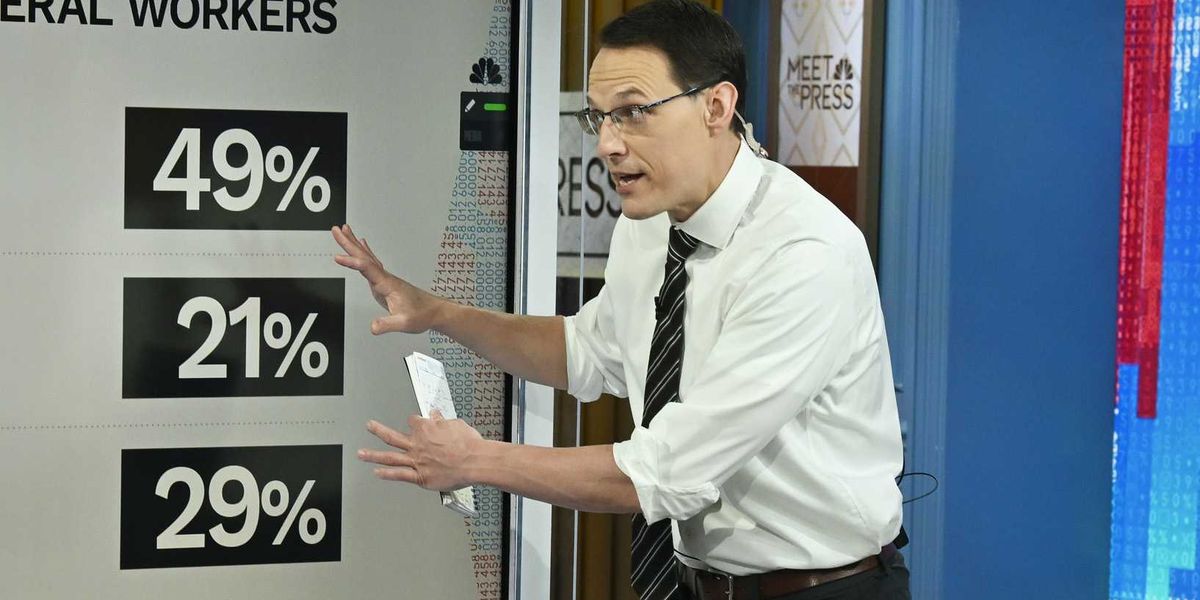
The NBC analysis highlighted a problem that goes beyond a single district or state. If a party starts to look weaker in broad polling trends, it can signal trouble in places where small swings decide everything, and that is exactly the kind of pressure Democrats are staring at now.
That pressure is amplified by the way modern campaigns work. Every poll gets sliced, debated, and turned into a storyline, and once the storyline turns negative, it tends to feed on itself fast. Supporters get nervous, donors start asking questions, and the campaign is forced to spend time calming its own base instead of expanding it.
The timing makes the situation even rougher. Election Day is when persuasion gets expensive and momentum gets loud, so a late-stage wobble can be costly. If voters are already leaning away, there is not much runway left to fix the mood.
Democrats also face a familiar challenge with messaging discipline. When a party tries to speak to everyone at once, the message can blur, and voters usually do not reward confusion. Republicans have often been more comfortable hammering a few core issues over and over until they stick.
None of this means polling is destiny, but it does mean Democrats have a real problem to answer. A campaign can survive one rough survey, even two, but a pattern of weakness suggests deeper trouble under the surface, and that is the kind of thing political operatives notice right away.
For Republicans, the opening is obvious. If the other side looks shaky, the job is to keep the pressure on and make every vote feel like a choice between steady direction and more of the same political drift. That kind of contrast has a way of landing with voters who are tired of hearing excuses.
As the final stretch arrives, the key question is whether Democrats can reverse the mood before the ballot boxes close. Polls do not vote, but they do reveal where the ground is moving, and right now that ground looks a little more solid on one side than the other.
