
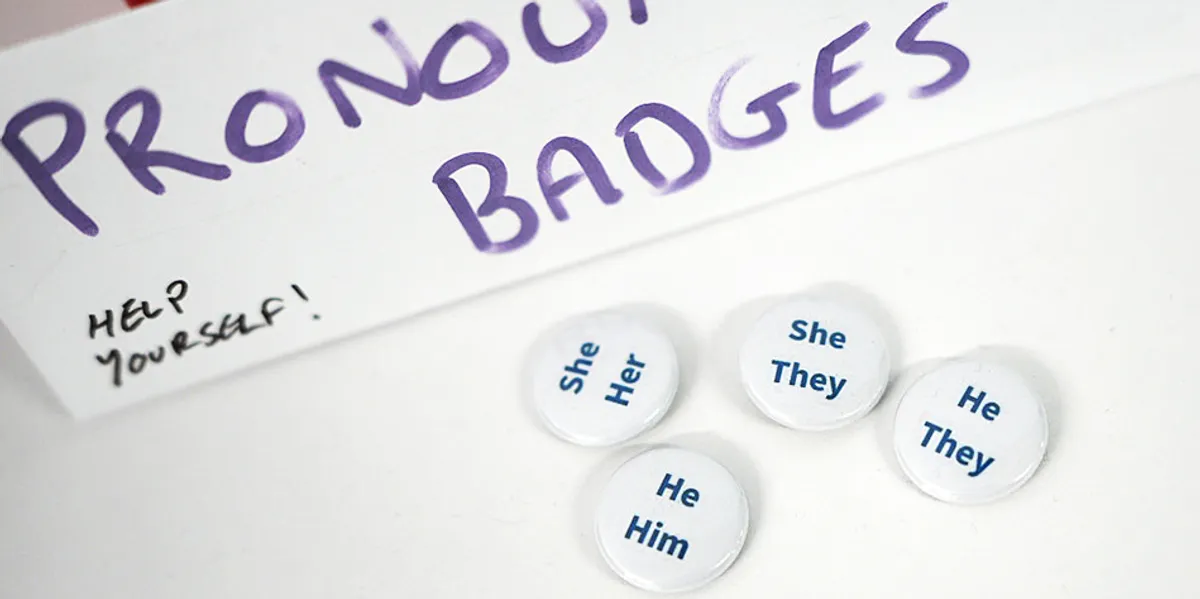
The University of California has landed in the middle of a nasty free-speech fight, and the irony is hard to miss. A policy meant to police “misgendering” is now being turned around and aimed at the system that put it in place, forcing a broader debate about speech, ideology, and what happens when institutions start treating language like a weapon.
The dispute touches a nerve far beyond one campus network. When a university starts drawing hard lines around approved language, it stops looking like a place for open inquiry and starts looking like a place where caution matters more than honesty.
That shift has made plenty of people uneasy. For critics, this is exactly what happens when identity politics gets baked into policy: rules that are sold as protecting dignity end up creating new punishments, new pressure points, and a whole lot of confusion about who gets to decide what can be said.
The University of California’s approach reflects a bigger trend across higher education, where administrators often try to balance activism, compliance, and public image all at once. That balancing act can get messy fast, especially when a policy built around language becomes a test of loyalty rather than a tool for fairness.
What makes the situation even more combustible is that speech rules are rarely neutral once they start being enforced. One side sees a basic matter of respect, while the other sees forced speech and a direct threat to intellectual freedom, and those two ideas are heading in opposite directions.
Supporters of open debate argue that universities should be the last place where people are pressured to speak in ways they do not believe. They say disagreement is not the same as hostility, and that a healthy campus should be able to handle sharp arguments without turning every off-script phrase into a disciplinary issue.
That point resonates because language on campus has become a kind of ideological litmus test. The moment a policy can be used to accuse someone of wrongdoing for refusing to adopt a preferred script, the classroom starts to lose its edge as a place for real discussion.
Critics of the policy also argue that the state’s massive university system should not behave like a private activist club. Public institutions are supposed to serve everyone, which means they have to protect rights even when those rights are inconvenient, unpopular, or out of step with the current trend.
There is also a practical problem lurking underneath the politics. Policies that rely on subjective interpretations of tone, intent, or wording invite conflict, because people are left guessing where the line is and who gets to enforce it.
That uncertainty creates a climate where students and faculty may self-censor instead of speak plainly. Once that happens, the campus conversation gets smaller, flatter, and far less useful, even if the official language sounds compassionate on paper.
The deeper issue is trust. If a university wants credibility, it has to show that rules are rooted in consistent standards rather than ideological fashion, because once people believe the goal is control, every new policy starts to look like a trap.
This latest clash at the University of California shows how quickly speech rules can boomerang. A system that tries to manage language from the top down can end up facing the same rigidity it built for others, and that kind of circular trouble usually leaves everyone more frustrated than before.
