
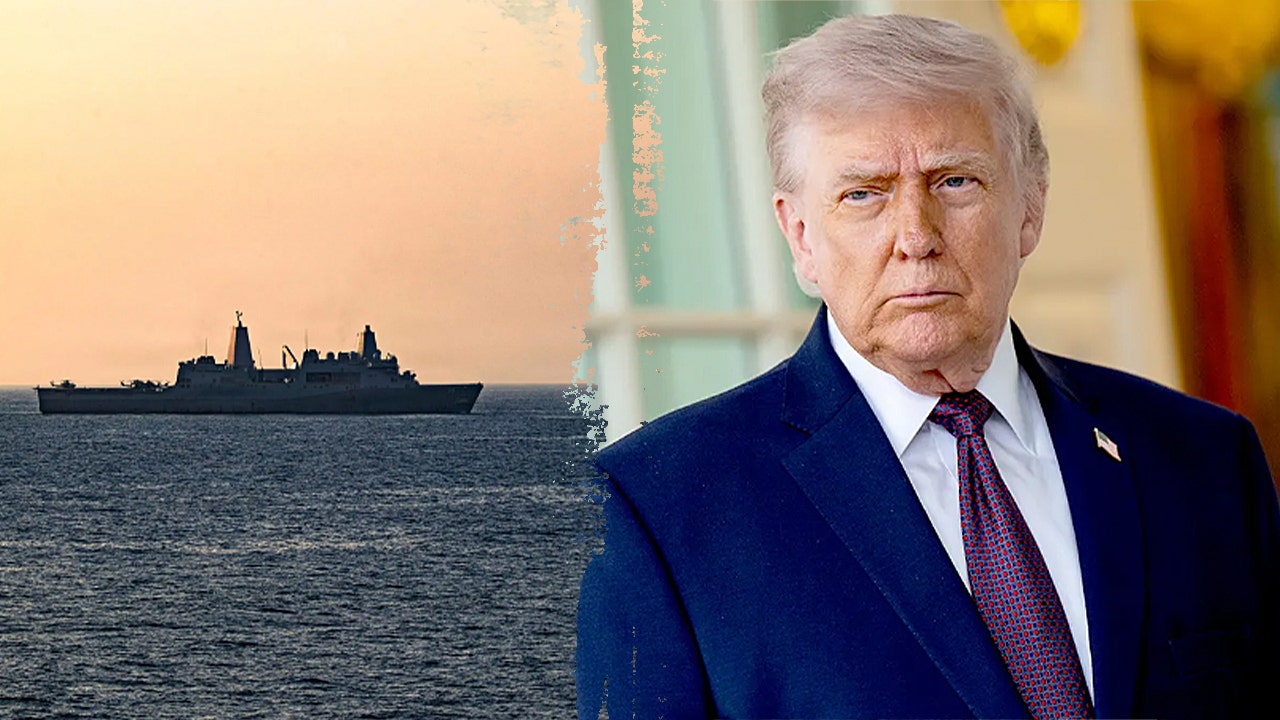
This piece looks at how President Trump will present the Iran agreement as proof that force works, what U.S. and Israeli military action actually achieved, the fragile deal being negotiated to reopen the Strait of Hormuz, and the political risks that remain if Tehran trades time for concessions.
Trump will sell this as vindication for strength. The June campaign did clear the battlefield in a way that few expected, striking air defenses, missile sites, naval assets and key commanders while disrupting proxy networks. That kind of battlefield dominance matters, and the administration has a defensible record to point to when it talks about forcing Iran to the table.
Still, military success and political victory are not identical. Clausewitz taught that war must be judged by the political conditions it creates, not the battles it wins, and that standard matters now. If the diplomacy that follows leaves Iran politically intact and strategically capable, the strikes will look limited in value.
The emerging framework centers on reopening the Strait of Hormuz first, then 60 days of talks over nuclear issues. Trump declared Saturday that a deal reopening the Strait of Hormuz was “largely negotiated.” The draft being discussed would have Iran agree in principle to give up its most dangerous stock of enriched uranium while Washington stages sanction relief as part of a final, verified settlement.
A senior administration official said Sunday that Iran agreed in principle to dispose of its highly enriched uranium stockpile. “Nobody disputes that the stockpile will be disposed of. The question is how,” the official said. That line gets to the heart of the risk: Tehran and Washington may mean very different things by disposal, and the technical details are where compliance is either verified or faked.
Iran still insists sanctions relief must come first, and it wants to preserve much of its enrichment infrastructure. The 60-day clock is a window for negotiations, not a wall. History shows Tehran can use brief pauses to rebuild capacity and exploit loopholes, so a temporary pause in hostilities does not equal permanent denuclearization.
Trump is tying this deal to a bigger regional argument about realigning Middle East alliances through expanded Abraham Accords diplomacy. “I would like to thank, thus far, all of the countries of the Middle East for their support and cooperation, which will be further enhanced and strengthened by their joining the Nations of the historic Abraham Accords,” he wrote. He added: “Who knows, perhaps the Islamic Republic of Iran would like to join, as well!” That is bold, strategic messaging, but Tehran has never accepted Israel’s existence and cannot do so without imploding at home.
Military power removed Iran’s ability to dominate the tactical battlefield, but the ayatollahs’ greatest weapon never relied on bombs. Geography gave Tehran a choke point through the Strait of Hormuz that can shut global energy flows without winning a battle. By showing they can still threaten economics and trade, Iran preserved leverage that military strikes alone could not erase.
There is also a domestic political cost to consider. Before the campaign against Iran, opposition movements inside the country were visibly energetic. Wars tend to consolidate regimes when they survive, boosting nationalism and justifying crackdowns. Reports of intensified repression after the strikes suggest the conflict may have weakened anti-regime forces even as external pressure increased.
The tough question now is whether U.S. military power served a clear political objective or simply imposed temporary pain. If Tehran walks away from 60 days of talks with key infrastructure still intact and frozen assets unlocked, the strikes will be remembered as limited tactical wins that failed to produce a durable strategic result. What happens when the clock runs out will decide whether force delivered lasting security or just bought a pause.

1 Comment
Look with the history of these maniacs running Iran along with their false religion Political Ideology of Islam this all came to a head long before now and its time to make it absolutely 100% NO NUCLEAR PROGRAM in Iran!
ZERO Enrichment!!!