
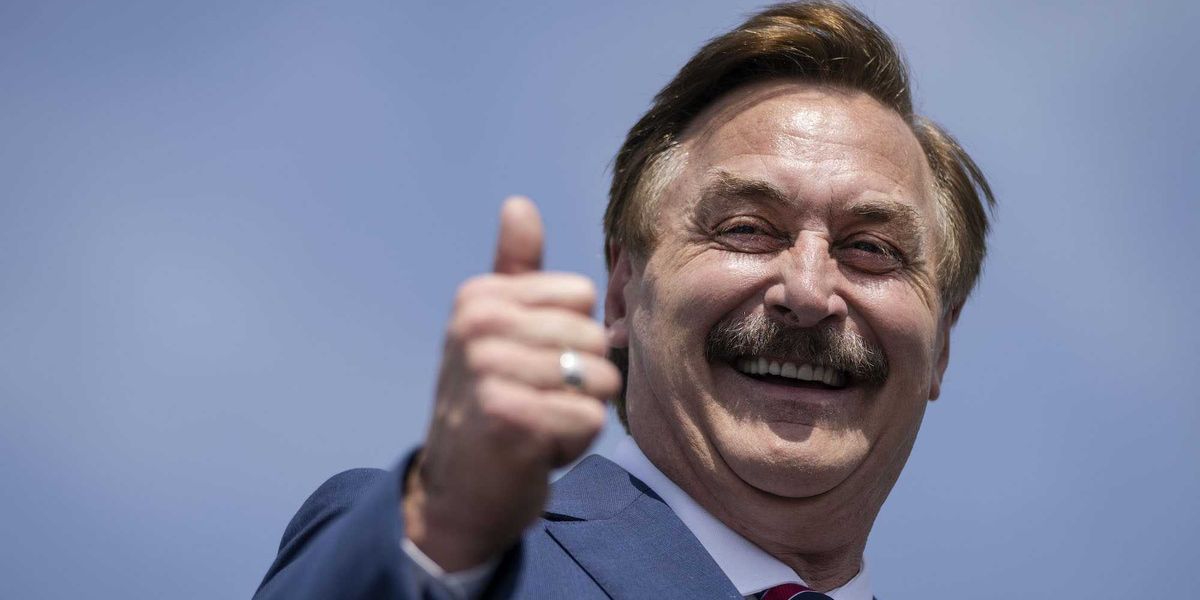
Mike Lindell has quietly closed a long-running legal chapter with Dominion Voting Systems, now operating as Liberty Vote, by agreeing to a confidential settlement and asking the court to dismiss the case with prejudice; that move clears a major legal obstacle as he campaigns for Minnesota governor and revives questions about free speech, political pressure, and the use of large defamation suits in modern politics.
The filing to end the lawsuit with prejudice means the claim is gone for good, at least in that form, and marks a shift from years of bruising public disputes to a private resolution. The company had pressed a high-profile, multimillion-dollar complaint that turned into one of the marquee courtroom fights tied to the 2020 election aftermath. Now, both sides have stepped away from the spotlight and sealed the final chapter, at least officially.
Dominion originally sought $1.3 billion and brought the case in 2021, targeting public statements that questioned the integrity of the 2020 vote. The company now calls itself Liberty Vote, and it issued only a brief line about the outcome, saying “the parties have agreed to a confidential settlement to this matter.” That single sentence is all the public record contains about what was negotiated or exchanged.
Lindell called the end of the lawsuit a “big relief” in a statement to WCCO-TV, and he said plainly in another moment, ‘I can now run for governor, win governor.’ Those words capture why the settlement matters beyond money or legal strategy — it removes a looming financial threat and gives his campaign room to focus on politics rather than litigation. For a candidate already known for unapologetic style, the legal cloud had been a persistent distraction.
Outside the settlement, Lindell’s legal history is still complicated. Courts have previously ordered him to pay damages to a former Dominion employee and to DHL, and a federal judge found that he had defamed another voting machine company, Smartmatic. A court has yet to determine if that case meets the “actual malice” standard that could carry further financial consequences, leaving parts of the legal picture unresolved even as this particular fight ends.
The political fallout is immediate. Lindell remains an active candidate for governor of Minnesota and has led in some polls among Republican contenders, even while more establishment figures move for endorsements and jockey for position. The state party endorsed Kendall Qualls, an Army veteran and former health care executive, showing the primary field is crowded and opinion remains divided about who best represents the GOP ticket this fall.
National figures have chimed in as well, and President Donald Trump has said only that Lindell “deserves” to be governor, a short but significant nod from a former president who still holds sway with many Republican voters. That endorsement-style remark does more than signal support; it feeds a narrative that legal setbacks should not automatically disqualify outspoken candidates, especially when those suits are perceived as attempts to chill debate.
There is a broader legal and cultural question here about where to draw the line between harmful falsehoods and robust political speech. Supporters argue that settlement removes a powerful tool for silencing dissent, while critics insist that factual accountability matters and that lawsuits are proper channels to challenge demonstrably false claims. Either way, the confidential nature of this settlement leaves the public with the legal end result but not the details of how it was achieved.
Similar high-profile defamation cases have wrapped up quietly in recent years, including one involving a former mayor that ended with an undisclosed settlement. Those closures have reshaped how public figures assess risk and weigh their statements in an era where viral claims can quickly turn into multimillion-dollar litigation. For Lindell, this deal brings an immediate tactical advantage: it narrows the list of legal distractions he must manage while he tries to convert name recognition into votes.
Campaign life is unforgiving, and legal fights are exhausting on staff and money alike, so the settlement will likely be framed by Lindell’s team as a win that clears the path forward. For voters, the episode raises familiar questions: how should courts balance reputation, speech, and the public’s right to contest authority? Those debates will continue as Lindell and his opponents make their pitches across Minnesota.
