
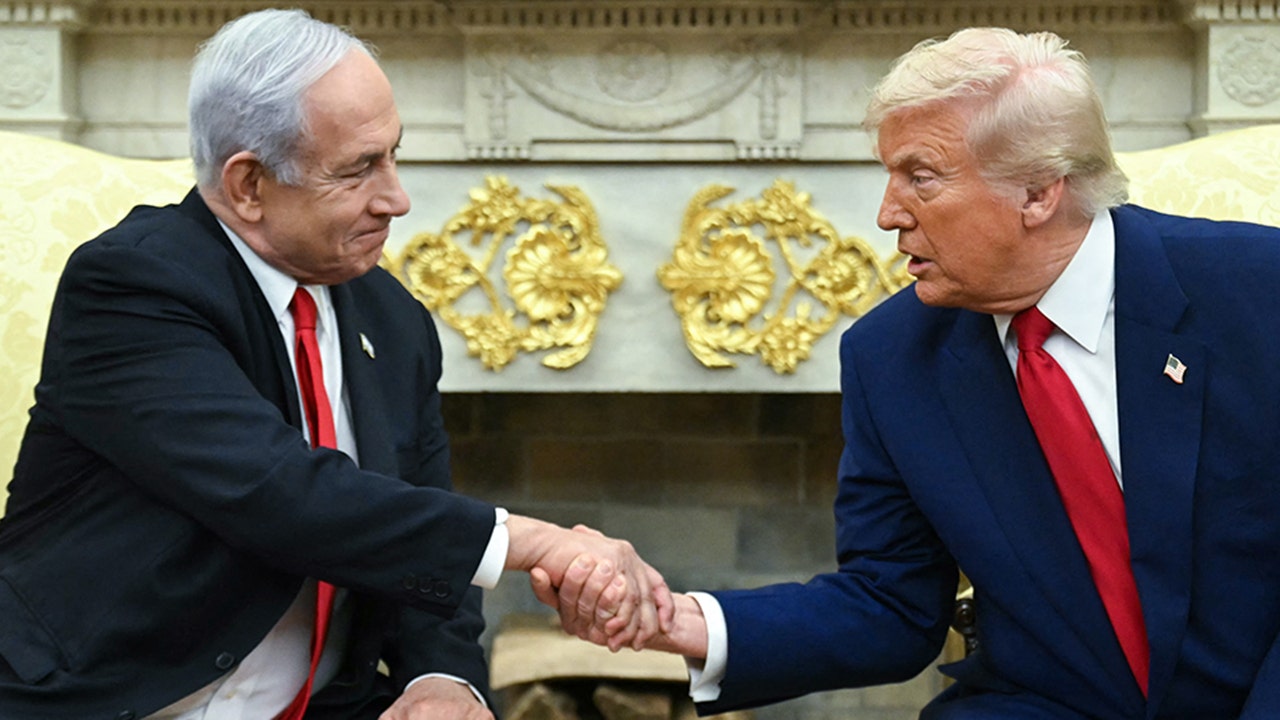
This piece looks at how Benjamin Netanyahu’s war posture, a fracturing U.S.-Israel relationship, and a rising pro-Palestinian strain in Democratic politics collided in recent months — driving hard choices in Washington and blowing apart familiar alliances in New York City politics.
Netanyahu’s relentless push against Hamas and strikes near Lebanon have left Israel more isolated than many Americans realize, and the civilian toll has done real damage to sympathy for Israel. Republicans still back Israel’s right to defend itself, but there’s growing unease about tactics that alienate allies and fuel global anger. That shift matters because public opinion shapes what our leaders feel they can do overseas.
Relations with former President Trump went from close to explosive, with private lines that became public and bruising language that did not help. Trump famously called him “f—— crazy” and told him “you’d be in prison if it wasn’t for me.” Those are the words of a former ally who no longer trusts the direction of Israeli strategy.
Netanyahu also faces political peril at home, with a corruption trial stalled by the demands of war and repeated delays that critics say erode confidence. In tense private moments, Trump even told him “All the Jews are sick of you,” a line reported in the book “Regime Change.” That kind of rhetoric, from the top, underlines how messy the alliance has become.
The fog of war and Israel’s moves against Hezbollah in Lebanon complicate U.S. diplomacy with Iran and make any regional deal harder to reach. American leaders worry that continued cross-border strikes will sabotage attempts to stabilize the region, while Israel insists it must create security zones to protect its citizens. From a Republican perspective, security is nonnegotiable, but strategy matters.
There is still a long American tradition of sympathy for Israel, born out of its founding in 1948 and the memory of the Holocaust, and tempered by peace breakthroughs like the Egypt agreement brokered by Jimmy Carter. Yet Netanyahu’s resistance to a viable two-state solution and mounting accusations that Israeli policy resembles apartheid have peeled away support in some quarters. These are political realities that U.S. leaders must confront.
Nothing erased sympathy like the Hamas massacre of Oct. 7, 2023, when more than 1,200 Israelis were slaughtered in a horrifying attack that shocked the world. Hamas’s tactic of using civilians as shields fuels the carnage, and the group puts the Palestinian toll at 70,000. “Though Netanyahu defeated Hamas militarily,” writes three-time Pulitzer winner Thomas Friedman in the New York Times, “he never nurtured or welcomed a moderate Palestinian alternative. So, killing all those Palestinian civilians during the war looked to the rest of the world just like that: killing, pure and simple, not to clear the way for better Palestinian governance but to clear the way for NO Palestinians in Gaza.”
Back home, the politics are bleeding into local races. Zohran Mamdani won New York’s mayoralty as a socialist and never backed away from the phrase “from the river to the sea,” which many hear as a call to erase Israel. He helped push three pro-Palestinian candidates into congressional primaries, toppling incumbents and creating a nightmare for national Democrats who depend on mainstream support from swing voters.
President Trump piled on, tweeting that “Mayor Mamdani pulled through three solid Communists, and has received loud and universal applause from the Fake News Media,” and commentators noted that the label socialist doesn’t land the same way it once did. The real problem for Democrats is that much of the country sits right of trendy New York politics, and these wins give Republicans a potent line of attack.
Progressives have clearly shifted, especially among younger voters who drive the party’s energy and who are often more critical of Israel’s tactics. In one faceoff, Rep. Dan Goldman lost to a Mamdani-backed candidate after Brad Lander accused Goldman’s support for Israel of making the U.S. “complicit in genocide.” Those kinds of charges sharpen the divide inside American politics.
Goldman himself warned that anti-Semitic tropes surfaced on the campaign trail and could threaten broader civic life. “As history has taught us, anti-Semitic tropes and stereotypes — some of which I heard personally on this campaign — will ultimately be the undoing of our democracy if we all don’t lean in and speak out.” That warning deserves attention from every side.
New York’s party leaders were blindsided when voters rejected endorsements and chose insurgent candidates, and even the state attorney general complained that some winners lacked roots in their districts. “Some of the candidates that he has supported are individuals who do not understand the politics of New York City, the cultural differences from district to district, who have not been part of the history and the struggle of some of these districts, and are relatively new to the body politic.” That disconnect helps explain the shock in liberal circles.
One Mamdani-backed winner, Darializa Avila Chevalier, stumbled when questioned about prior tweets advocating to abolish the police, end ICE, and declaring that “Israel doesn’t exist.” Critics point to those records as evidence the movement is out of step with mainstream voters, and the controversy will follow Democrats into general elections. The mix of foreign policy and local grievances has created a combustible political moment that keeps getting replayed on both coasts.
Editorials have been blistering, with one calling out Mamdani and warning of a surge in hostility toward Jewish citizens. “Mamdani Takes the Jew-Hate All the Way to 11,” the piece said, and also labeled his movement “full-on anti-Semite.” Those accusations will be litigated in public, but they reflect real anger and fear inside communities that have long stood by Israel.
Voter frustration with establishment Democrats, anger over costly foreign entanglements, and a growing youthful appetite for radical change have created multiple fault lines. Low turnout in primaries amplified the shifts, and pockets of the country embraced socialist mayors as a protest against elites. The result is a messy, high-stakes political realignment where support for Israel and the choices of leaders like Netanyahu are front and center in American politics.
