
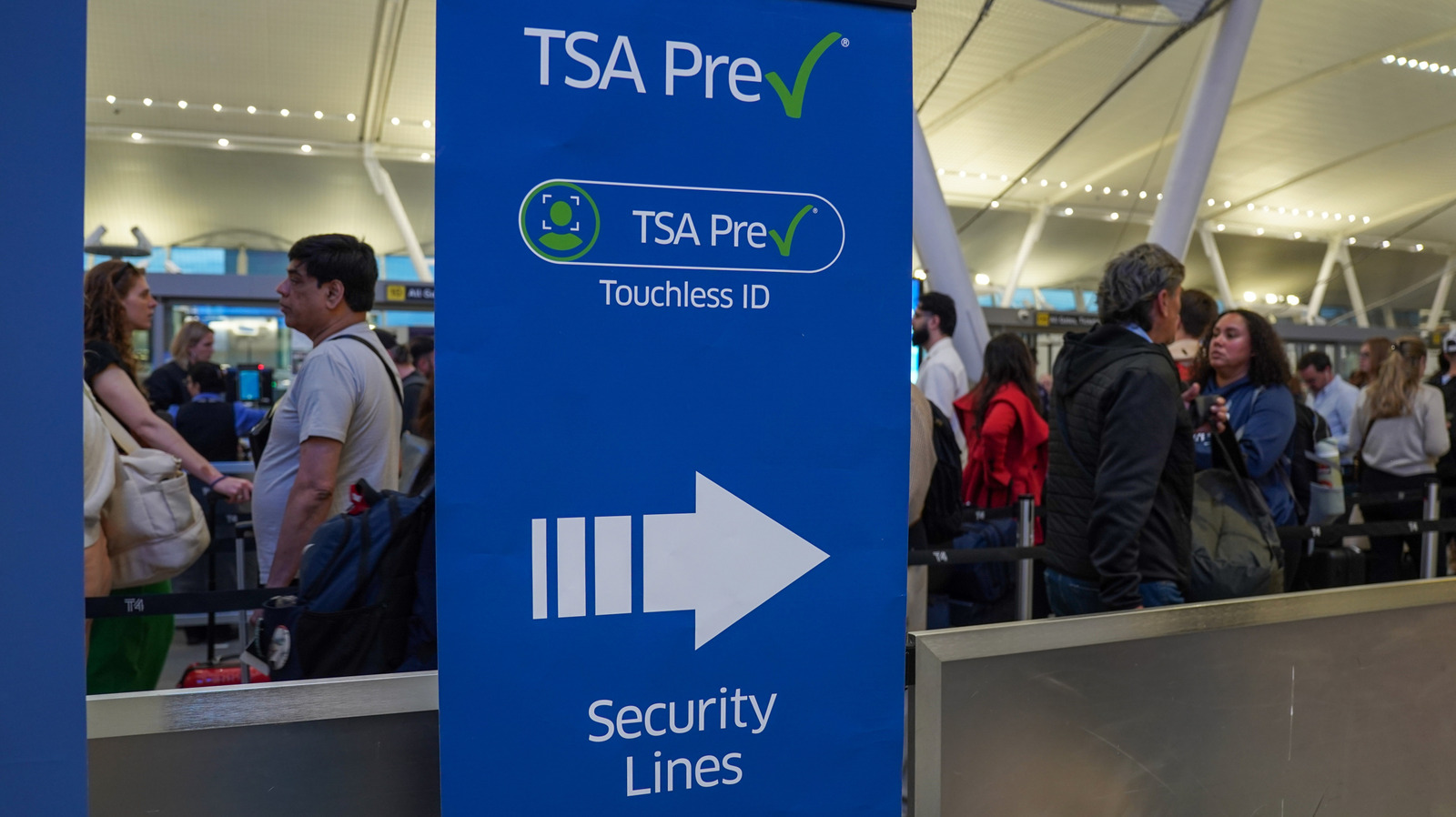
Veterans tired of long airport lines can often get free expedited screening if they qualify, and this article walks through what that perk looks like, who typically qualifies, how to confirm eligibility, practical steps to use it, and common pitfalls to avoid at the checkpoint.
If you served and you dread the security shuffle, there’s a benefit worth checking into that can shave minutes off travel day. Many veterans qualify for some form of expedited screening or simplified entry, but it’s not automatic and rules vary by program and airport. The key is knowing where to look and what documents to have ready before you head to the terminal.
Eligibility depends on the specific program offering the perk, and different airports or carriers may participate in different ways. Some programs are limited to those with verified service records, disabled veterans, or participants in veteran verification platforms. It pays to confirm with the agency or airline involved ahead of time so you’re not surprised at the gate.
To verify your status, gather government-issued proof such as a military ID, DD-214, or VA-issued documentation that proves your service or disability. Some programs use third-party verification services, so having digital access to verification accounts can speed things up. Bring both physical and digital copies when possible so a checkpoint agent can confirm your eligibility quickly.
At the airport, the process is usually straightforward when you have the right paperwork and a clear understanding of where to present it. Security officers will check your credentials and may direct you to a dedicated lane or allow you to keep certain items on. Remember that final authority always rests with the screening officer, so stay calm and cooperative to keep things moving.
This benefit doesn’t mean you can skip screening altogether or ignore the rules about prohibited items. You’ll still adhere to basic security procedures and show ID and boarding passes when asked. The real advantage is reduced wait time and less hassle during the remove-your-shoes-and-laptops part, not a free pass through every checkpoint.
Common mistakes include assuming eligibility without confirmation, showing the wrong type of ID, or not allowing enough time for verification during busy periods. If you rely on a third-party verification service, make sure your account is active and up to date before travel day. When in doubt, call the airport or your carrier and ask where to present veteran credentials for expedited processing.
Aside from time savings, the perk can reduce travel stress and make airport routines more predictable, especially for frequent flyers or those traveling with mobility needs. If your travel involves multiple airports, check each one’s policy since a benefit at one terminal may not apply at another. Planning ahead means you can turn potentially chaotic travel days into smooth transitions through security.
If you don’t qualify for a veteran-specific lane, look into broader options like trusted traveler programs that offer similar conveniences. Many of these programs require an application and fee, but if you fly often they can pay for themselves in saved time and calmer travel. Whatever route you choose, verifying eligibility and carrying the right documentation will keep the line from becoming the story of your trip.
