
President Trump’s posture toward Iran is clear: tough, direct, and aimed at forcing real costs on a regime that brutalizes its people and threatens the region. This piece lays out how that stance translates into concrete military options, red lines on attacks against U.S. forces, and the kinds of targets that would be on any plan to blunt Tehran’s threats. The goal is deterrence through credible force, not open-ended occupation.
Trump has made clear he prefers pressure that changes behavior, not rhetoric that comforts opponents. He even posted “Locked and loaded,” as protests inside Iran were mounting, signaling a readiness to use force if necessary. That tone reflects a view that deterrence comes from demonstrated capability and willingness to act.
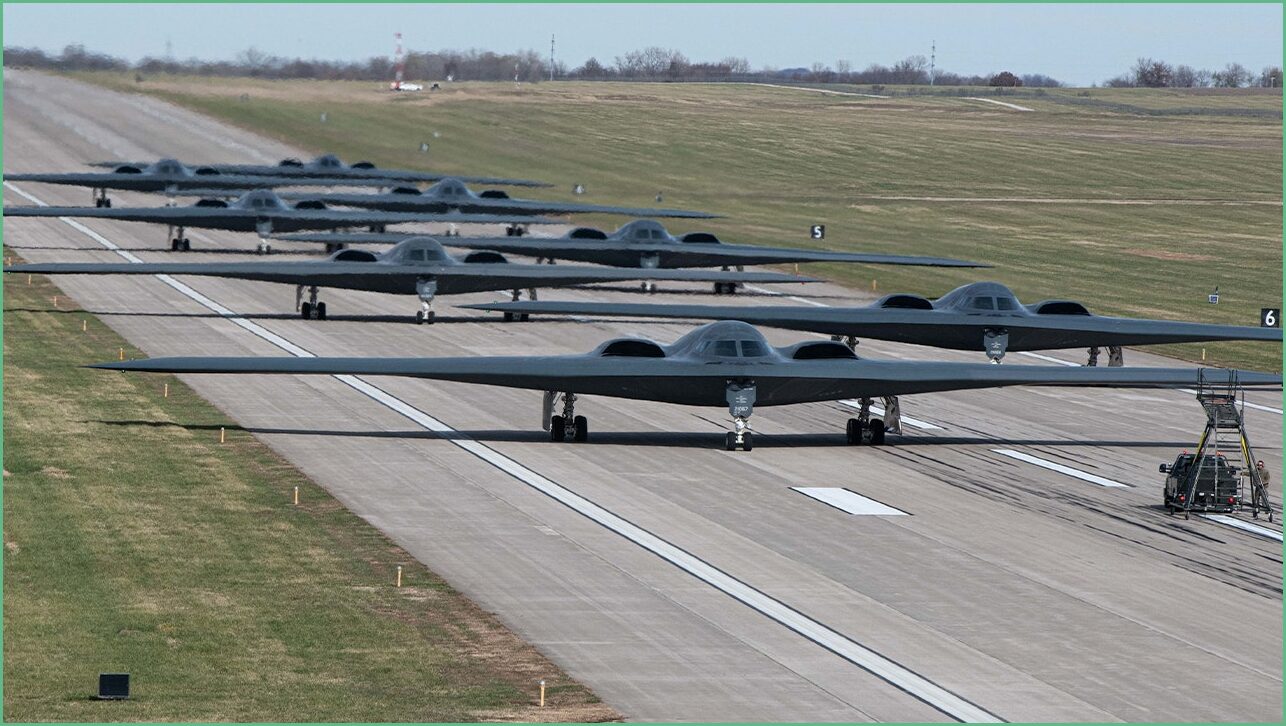
The Pentagon already maintains target packages across Iran, tailored to different political thresholds. Operation Midnight Hammer struck key enrichment and weapons-design sites to blunt a nuclear sprint, and a B-2 strike on June 22, 2025, focused on specific vulnerabilities without engaging every underground missile or fuel site. Those choices show a prioritization of crippling programs while weighing escalation risks.
A bright red line exists: attacks on American forces. Trump warned he would “hit them at levels that they’ve never been hit before” if U.S. troops are targeted, and that warning is grounded in precedent. Iran has previously struck U.S. positions, including attacks on U.S. forces at Al Udeid Air Base and the strike on Al Asad Air Base in 2020, which keeps commanders on alert for rapid retaliation options.
One option on the table would be a focused campaign to finish what earlier strikes began: take out remaining critical nuclear enrichment and weapons-design facilities that enable a breakout. Targeting the blueprints and bottlenecks of a weapons program is surgical by design, aiming to prevent a race for a bomb without trying to occupy territory. Precision strikes and follow-on strikes could extend the timeline Iran needs to rebuild those capabilities.
A second option zeroes in on missile and space launch infrastructure. Iran continues to develop ballistic missiles, import solid rocket fuel precursors, and maintain a network of above- and below-ground sites tied to testing and production. Their expanding satellite constellations and space-launch efforts are worrying because rockets can be repurposed into long-range weapons, and those facilities would be on any list for neutralization.
The third option would disrupt the Revolutionary Guard’s industrial and revenue streams, including drone factories and weapons production networks. The IRGC runs commercial enterprises that bankroll proxies and terrorist activities, so degrading manufacturing nodes, supply lines, and export hubs is a way to cut off funding for hostile operations. Hitting those targets complicates Tehran’s ability to arm proxies and export instability.
Operationally, U.S. Central Command would use a layered mix of assets to carry out these options while minimizing collateral damage. Fighters, stealth bombers, long-range strike platforms, naval Tomahawk strikes, and precision stand-off weapons give planners flexibility. Defensive systems and allies’ early warning also play a role in shaping timing and target sets to avoid escalation beyond intended limits.
Deterrence and damage limitation go hand in hand; any briefing to the president will outline measures to reduce civilian casualties and infrastructure blows that aren’t necessary to the military objective. Space and missile defenses stand ready, with sea-based interceptors and regional radar systems providing both protection and options to respond. The political aim is pressure on the regime while preserving freedom of action for U.S. commanders on the ground and at sea.
Americans want an end to the threats coming from Tehran, and the policy being discussed rejects naive restraint in favor of capability-driven pressure. If deterrence fails, those capabilities give the president real choices to blunt Iran’s ability to strike U.S. forces and regional partners.
