
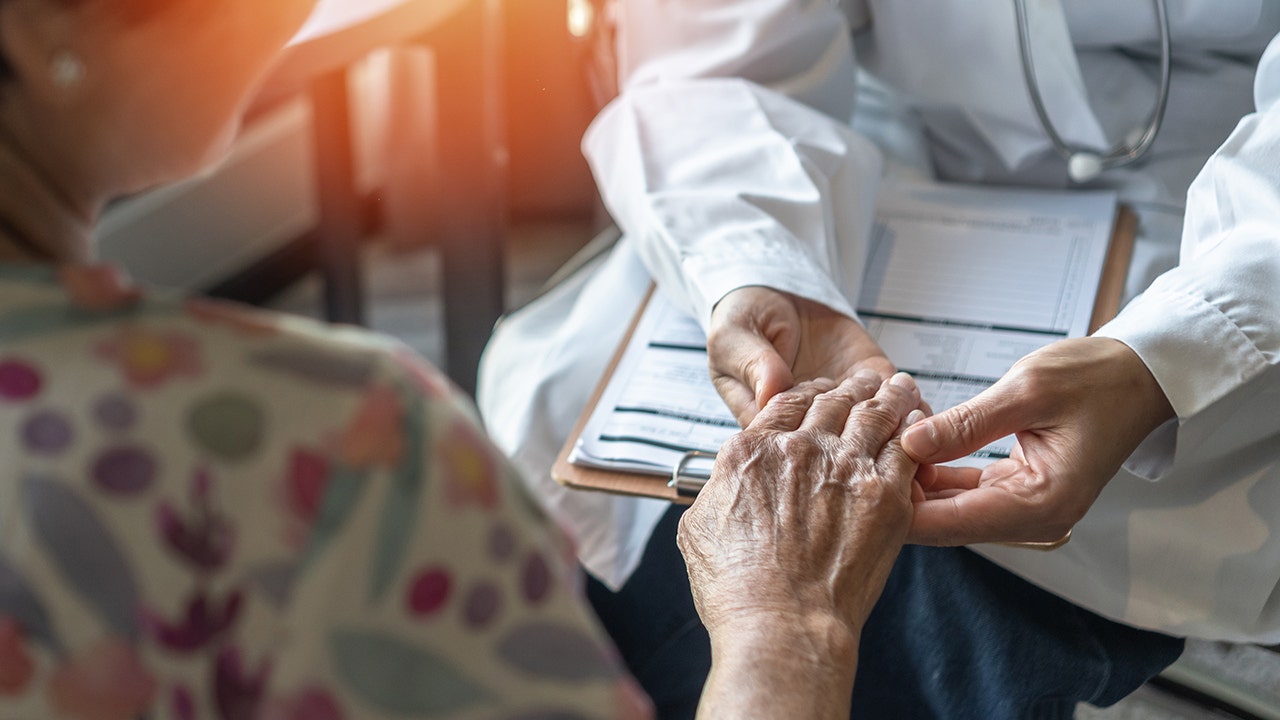
Parkinson’s disease is moving from a medical concern to a broader public reality, and the reasons to pay attention are piling up fast. It affects movement, balance, and daily independence, but the story does not stop at symptoms. The most useful response is clear-eyed knowledge, steady habits, and a willingness to stay engaged while research keeps pushing forward.
The disease is a progressive brain disorder, and that word progressive matters because it means symptoms tend to build over time. Medication can help with some of the day-to-day struggles, but there is still no cure, which is why early understanding matters so much. Families often feel the diagnosis almost as strongly as the patient does, because the disease reaches into routines, plans, and the simple freedom to get through a day without help.
One of the biggest problems is fear fueled by confusion. Many people know Parkinson’s by name but not by nature, and that leaves room for myths, panic, and delay. Better brain health awareness can cut through that haze and help people make smarter choices sooner.
Get moving, every day. Exercise is one of the most powerful tools available, with benefits that reach well beyond fitness. For people living with Parkinson’s, consistent movement can support physical function, mood, and symptom control, and some studies connect regular activity with a slower decline. The exact workout matters less than the habit itself, whether that means walking, boxing, dancing, or anything else that keeps the body active.
Be heart-healthy. Brain health and heart health are tightly linked, so the basics still count. Good sleep, a balanced diet, and avoiding smoking help protect the blood vessels that feed the brain, and that support matters even more when the nervous system is already under strain. Small daily choices can sound boring, but they add up in a big way.
Stay involved. Social connection is not just a nice bonus, it is part of staying well. People with Parkinson’s often benefit from projects, conversations, hobbies, and activities that challenge the mind while keeping them connected to others. Isolation can make the burden heavier, while involvement can keep life feeling fuller and more workable.
Consider sharing your diagnosis. That decision is deeply personal, and there is no one-size-fits-all answer. Some people keep Parkinson’s private because of stigma, workplace worries, or the fear of being treated differently, while others find that opening up brings support, relief, and stronger relationships. When trusted people know what is going on, they often show up in practical ways that matter a lot.
Know that progress is happening. Research is not standing still, even if the disease still feels stubborn and complicated. Scientists are exploring gene therapy, new imaging tools, biomarkers, and other approaches designed to do more than just soften symptoms. Some of the most exciting work aims at changing the biology of the disease itself, which is where real hope lives.
That hope matters because Parkinson’s is not only about tremors or stiffness. It can affect confidence, work, family life, and the rhythm of ordinary days, which is why the next wave of treatment needs to be bigger than symptom control alone. Patients want more time, more stability, and more control over how the disease shapes their lives.
For now, the smartest path is to treat knowledge like a tool and not a slogan. Movement, social connection, healthy routines, openness when possible, and continued research all pull in the same direction. The future of Parkinson’s care will be built in those places, one practical step at a time.
