
The Blaze
President Donald Trump recently addressed a tragic incident involving a military helicopter and a commercial jet that crashed at Reagan National Airport. In his update, Trump highlighted his concerns about diversity, equity, and inclusion (DEI) policies, suggesting they might have contributed to the crash. According to him, the Federal Aviation Administration’s (FAA) focus on diversity might be misplaced, particularly when it comes to hiring individuals as air traffic controllers.
Trump referenced an article that discussed the FAA’s efforts to include people with severe intellectual and psychiatric disabilities in their workforce. He questioned the wisdom of such hiring practices, implying they could compromise safety. “They can be air traffic controllers? I don’t think so,” Trump remarked, expressing his skepticism about the initiative.
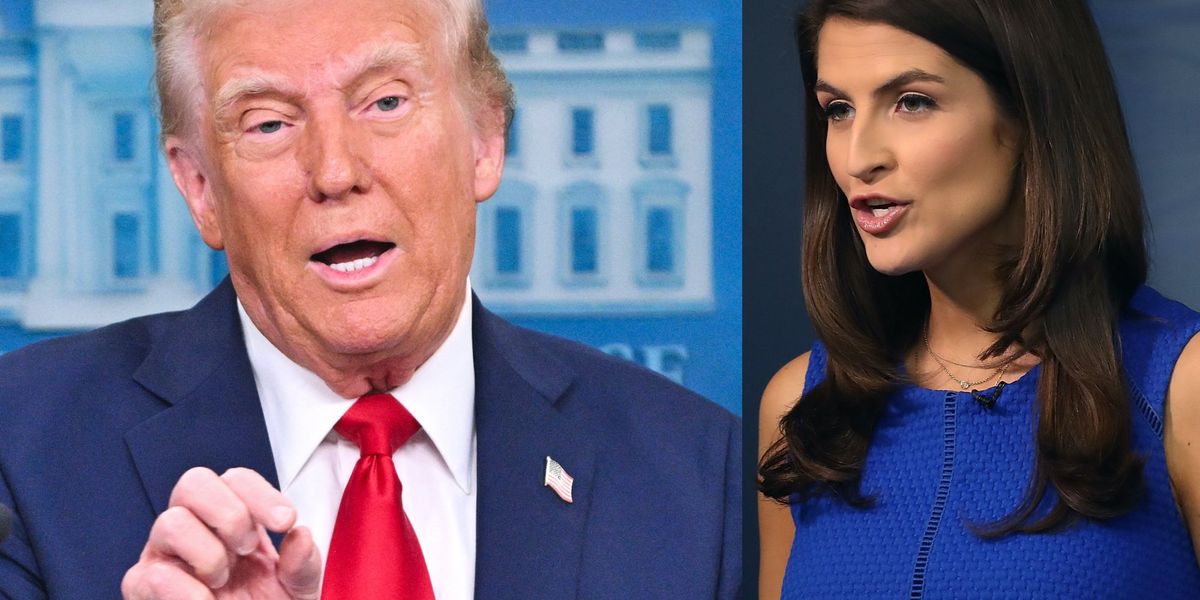
During the press conference, CNN’s Kaitlan Collins challenged Trump on his assertions. She questioned if it was fair to blame DEI policies before the full investigation was complete. Trump dismissed her concerns, stating that knowing the names of the victims wouldn’t change the situation or his perspective.
The recovery operations continued in the Potomac River, where the crash occurred. Trump offered words of comfort, acknowledging the grief felt by the entire nation. He emphasized that although the victims’ lives ended tragically, they are now embraced by a higher power.
Trump’s comments have sparked discussions on the implications of DEI policies in government roles. His stance reflects a belief that merit and qualifications should be prioritized over diversity quotas. This perspective aligns with the ideologies of past conservative leaders like Ronald Reagan and Barry Goldwater.
As the investigation unfolds, many are debating the balance between diversity efforts and maintaining high standards in critical positions. The crash has reignited conversations about the potential risks of prioritizing diversity over competence. Trump’s remarks have, unsurprisingly, drawn criticism from those who support DEI initiatives.
The ongoing debate highlights a deeper divide in American society regarding the role of diversity in the workplace. While some see it as essential for progress, others view it as a potential threat to efficiency and safety. This incident has brought these differing perspectives to the forefront.
Trump’s comments also underscore a broader skepticism about left-leaning policies among his supporters. Many conservatives argue that DEI initiatives can lead to unintended consequences, especially in fields where precision and expertise are crucial. The crash has become a focal point for these discussions.
As details about the crash emerge, the focus remains on understanding what happened and how similar tragedies can be prevented. The incident serves as a reminder of the complexities involved in balancing inclusivity with operational excellence. Trump’s remarks, while controversial, have prompted a reevaluation of current policies.
In the aftermath of the crash, the nation mourns the loss of 67 lives, including passengers, crew, and military personnel. The tragedy has united people in grief, as they seek answers and accountability. The recovery efforts continue, with teams working tirelessly in challenging conditions.
While the investigation is ongoing, the public is left reflecting on the broader implications of DEI policies. Trump’s words have added a new dimension to the national conversation about diversity and safety. The debate is likely to persist as Americans grapple with these important issues.
For many conservatives, the crash is seen as a cautionary tale about the potential pitfalls of prioritizing diversity over merit. Trump’s candid critique of DEI policies resonates with those who believe in traditional hiring practices. The incident has reignited calls for a reassessment of such initiatives.
As the nation processes this tragedy, the focus remains on honoring the victims and supporting their families. The collective mourning underscores a shared humanity that transcends political differences. In these moments of loss, the importance of unity and compassion becomes clear.
The Potomac River serves as a somber backdrop for the recovery efforts, symbolizing both the tragedy and the resilience of those involved. The operation is a testament to the dedication and courage of the teams working to bring closure to the victims’ families. Their efforts reflect the best of American spirit.
While Trump’s comments have stirred controversy, they also highlight the need for a thorough investigation into the crash. Understanding what led to the accident is crucial for preventing future tragedies. The nation awaits the findings, hopeful for clarity and justice.
The debate over DEI policies is not likely to end soon, as it touches on fundamental questions about fairness, opportunity, and safety. Trump’s remarks have added fuel to this ongoing discourse, challenging Americans to weigh the benefits and risks of such initiatives. The conversation continues as the country seeks the right path forward.
The tragic crash has left an indelible mark on the nation, reminding everyone of the fragility of life. As the investigation proceeds, the focus remains on learning from this incident to improve safety standards. The lessons drawn from this tragedy will shape future policies and practices.
In the wake of the crash, the nation stands united in mourning, as communities come together to support those affected. The tragedy has sparked a renewed commitment to ensuring the safety and security of all Americans. The spirit of resilience and determination shines through in the face of adversity.
As the country navigates this difficult time, the importance of cooperation and understanding becomes evident. The tragic events have prompted a nationwide reflection on the values and priorities that guide society. The path forward will require careful consideration and collaboration across all sectors.
