
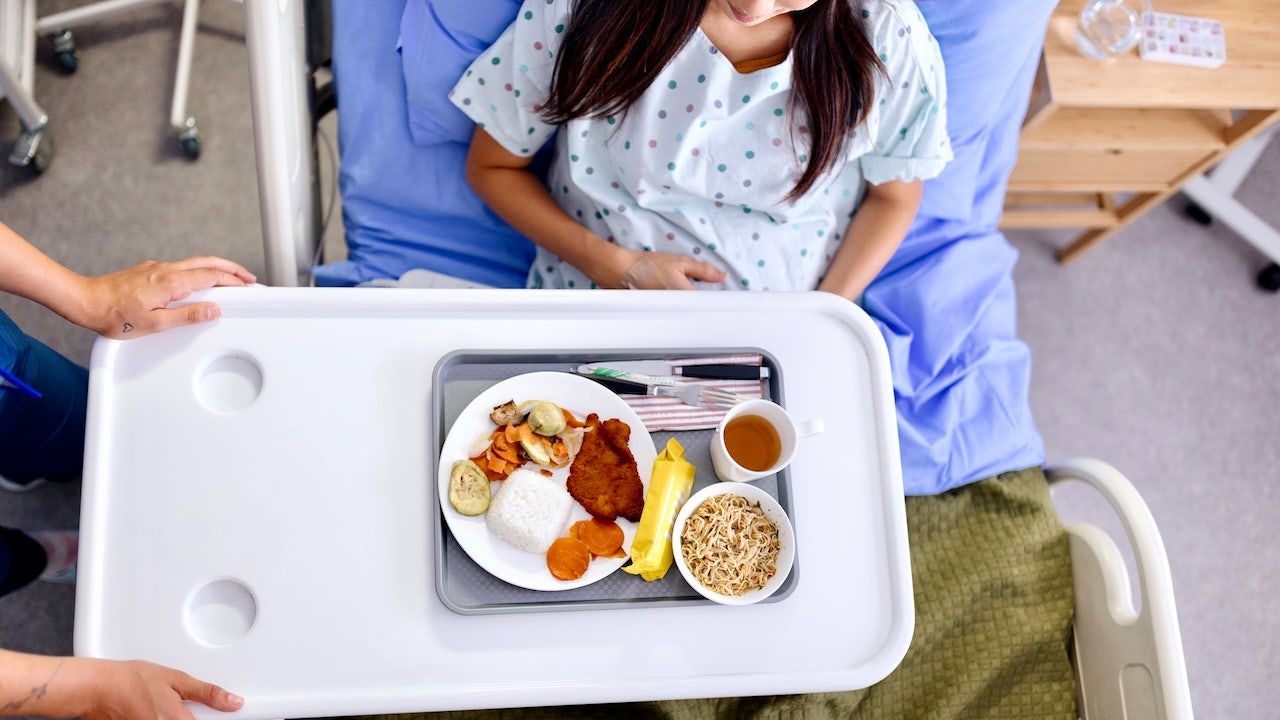
Hospitals are supposed to be where healing starts, not where bad habits get a free pass. A growing number of health systems are pushing back on the old pattern of serving patients trays packed with processed food and sugary filler, and a new pledge is putting healthier meals front and center. The basic idea is simple enough: if the point is recovery, the food should help, not hurt.
When people walk into a hospital, they expect care that gives them the best shot at getting better. That includes the medicine, the tests, the surgery, and the advice from doctors and nurses. But too often, the meal arriving on the tray tells a different story, loaded with refined carbs, added sugars, and ingredients that do little for anyone trying to heal.
That disconnect matters because food is not some side note in healthcare. Patients recovering from surgery, dealing with chronic disease, or fighting infections need meals that support the work their bodies are trying to do. Proper nutrition can help preserve muscle, aid wound healing, support immune function, and shorten the road back home.
On the flip side, poor nutrition can drag everything out. Malnutrition is linked to longer hospital stays, more complications, and higher costs, which is a bad deal for patients and hospitals alike. A tray full of weak choices can quietly undermine everything a clinical team is trying to accomplish.
That is why the Make Hospital Food Healthier Pledge has started drawing attention. Two hundred fifty hospitals across the country have signed on, backing a push to improve the nutritional quality of meals served to both patients and staff. It is a voluntary effort, but it sends a loud signal that food in healthcare settings should match the mission of healthcare itself.
The idea is not to turn Washington into a hospital kitchen manager. Hospitals have real constraints, and patients have different medical needs, from therapeutic diets to specialized nutrition support. The point is flexibility with purpose, giving hospitals room to serve food that is better without pretending every patient should eat the same thing.
There is also a bigger picture here that goes beyond one tray at a time. Hospitals buy a massive amount of food every year, which gives them real leverage with suppliers, distributors, and manufacturers. When a huge customer starts demanding more real food, more fruits and vegetables, healthier proteins, and fewer additives, the market notices fast.
That kind of demand can reshape what gets produced and what gets stocked. Suppliers respond to buying power, and hospitals have plenty of it. As healthier products become more common, better pricing and stronger distribution can follow, making nutritious food easier to get at scale.
The ripple effect does not stop at hospitals. The same companies that serve healthcare systems often supply schools, universities, workplaces, and other institutions. If those companies improve what they offer hospitals, the benefits can spread through more corners of American life than most people realize.
That is where this effort starts to feel bigger than a food service upgrade. Hospitals are trusted places, and patients often take their cues from what they see there. If the meal on the tray reinforces the care plan instead of fighting it, the message is clear and a lot more powerful.
There is also a common-sense truth behind the push. A patient admitted for diabetes complications should not be handed meals that work against the very advice being delivered by the care team. The hospital experience should teach healthier habits, not make them look optional.
Support for the pledge is growing because it does not rely on heavy-handed mandates or endless bureaucracy. It asks hospitals to move in the same direction with a shared goal and a practical mindset. With more systems joining in, healthier food is starting to look less like a niche idea and more like the new baseline.
What happens next will depend on whether more hospitals decide to treat nutrition as part of medicine, not just a line item on a budget. The momentum is there, the purchasing power is real, and the pressure on suppliers is only getting stronger. In plenty of hospitals, the next big change may not happen in an operating room or pharmacy, but on the lunch tray.
