
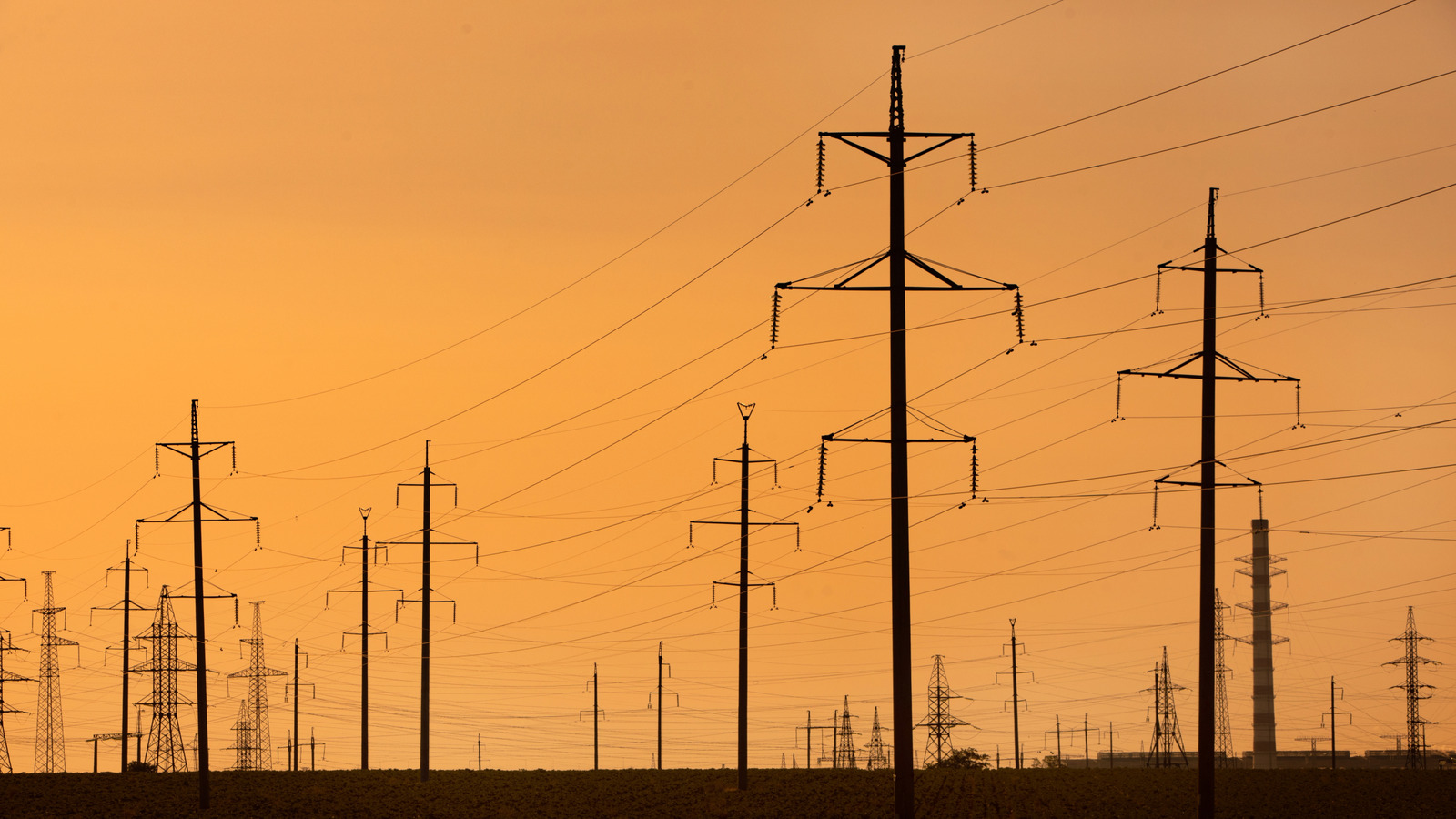
Power poles can look routine from the ground, but a few small markings up high carry serious meaning. The yellow square with a black “X” is one of those quiet safety signals, built to help aircraft and drones avoid trouble around utility lines.
These signs are not meant for drivers cruising below or for pedestrians heading down the sidewalk. Their job is to catch the eye of pilots and aerial crews working close to transmission and distribution lines, especially when the route shifts, crosses, or rises in a way that can be easy to miss from above.
The yellow “X” is called an aerial patrol warning sign. It marks power line crossings or changes in elevation and direction, giving pilots a clearer read on where the line is headed before they get too close.
That matters because utility inspections often happen at low altitude, sometimes in rough weather or poor visibility. Helicopters may be used to inspect damage, transport linemen, or check hard-to-reach stretches of line, and a tiny sign on a pole can help prevent a costly, dangerous mistake.
The idea is similar to the orange and white balls sometimes seen hanging from power lines. Those markers are there to warn low-flying aircraft that the wires are real, present, and not forgiving if they are missed.
The yellow “X” goes a step further by helping crews follow the line itself. Instead of just warning that wires exist, it points out important changes in direction or layout so pilots can stay oriented while moving along the route.
That guidance has become even more useful as drones take on a bigger role in inspections. A drone may reduce risk for people in the air, but it can still strike a line and create a hazard, which keeps these warning signs relevant.
The rules for these markers come from the Western Area Power Administration, which lays out how the signs should be used. In some cases, the “X” is paired with angle markers that show where the line turns, giving flight crews another layer of visual guidance.
When the direction changes sharply, the warning setup becomes more demanding. If the turn is 45 degrees or more, four signs are required, with the first placed at least 500 feet before the angled pole or structure so pilots have enough time to react.
There are other markers that can show up along the same route, including arrows that highlight hazards and mile markers that help aerial crews keep track of their position. None of these pieces are flashy, but together they form a practical system for guiding people who work where the ground ends and the sky gets busy.
Utility work has never been a low-risk job, and aerial inspection adds another layer of pressure. A small yellow square with a black “X” may look like a minor detail, but for the people flying just above those wires, it can be the difference between a smooth pass and a very bad day.
