
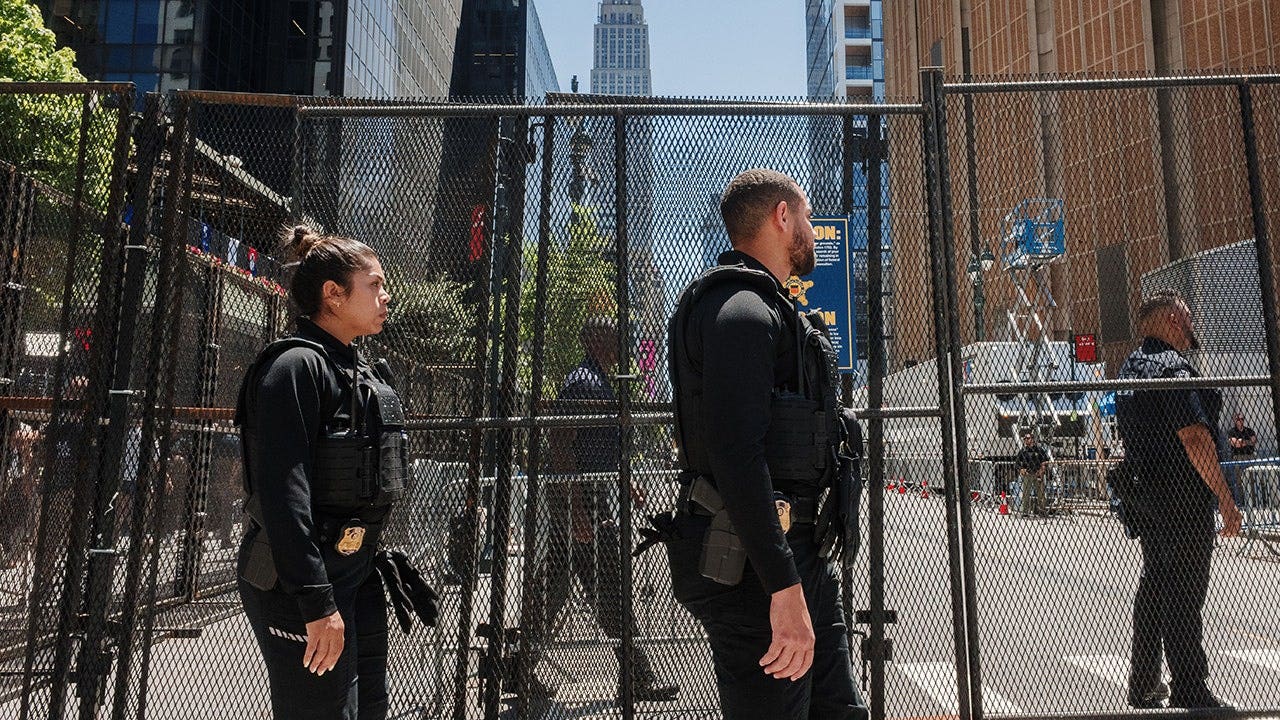
President Trump showed up at Game 3 of the NBA Finals at Madison Square Garden, and Manhattan felt it immediately — streets rerouted, checkpoints set up, and a big law enforcement footprint from the Secret Service, TSA and NYPD in full effect. The city saw a visible security operation designed to keep the president safe while the game went on. This piece walks through how that presence changed travel, business, and the vibe around the Garden.
When the president attends a public event, security is not optional. The mix of Secret Service agents, TSA personnel and local police created perimeter controls and inspection points that funneled foot traffic and vehicle flow. For commuters and visitors, that meant longer walks, delayed trips and a heightened awareness of rules that usually move in the background.
Local businesses around the Garden noticed the change right away. Some restaurants and bars lost regular customers who avoided the area, while others saw a surge from people drawn by the spectacle. The reality is simple: security operations like this reshape commerce for a day, and city leaders have to balance safety with economic ripple effects.
Officials insist these measures are standard procedure for presidential movements, and there is truth to that. The Secret Service coordinates with local agencies to reduce risk and keep crowds from becoming dangerous. From a Republican standpoint, the priority is protecting the commander in chief while minimizing harm to ordinary citizens, even if that means temporary inconvenience.
Still, Manhattan felt more than inconvenience. Road closures and restricted subway entrances pushed commuters onto alternate routes and filled nearby blocks with law enforcement vehicles. That visible show of force can be reassuring to some and frustrating to others, but it is part of the real cost of hosting high-profile figures in dense urban centers.
There are practical questions that follow every high-profile appearance. How well did agencies communicate closures to the public? Were businesses given enough notice to plan? In many cases, communication can be improved, and that should be taken seriously by local officials who want both security and normal city life to coexist.
Security logistics are complicated in a place like New York, where crowds and narrow streets create unique challenges. Coordination between federal and local teams is crucial, and the Secret Service often relies on the NYPD for street-level control while TSA helps with screening procedures. That division of labor aims to cover every angle, but it also means multiple agencies are directing traffic and setting rules that citizens must follow.
Public reaction is mixed and predictable. Supporters see the measures as necessary and applaud the professionalism of agents protecting the president. Critics will point to disrupted routines and lost business as evidence of overreach, and that tension is part of a larger debate about how cities handle presidential visits.
There are policy takeaways worth noting beyond the immediate inconvenience. Cities should plan clearer advance notice, offer support to smaller businesses affected by closures, and streamline communication across agencies to reduce confusion. These are practical steps that respect security needs without needlessly punishing residents and entrepreneurs.
For New Yorkers, the event is a reminder of how public life bends when national politics steps into a neighborhood arena. Security will always come first for a president, and Republicans tend to accept that as the right tradeoff for safety. At the same time, urban officials carry the responsibility to keep the city moving as smoothly as possible when those national priorities land on local streets.
Madison Square Garden hosted a high-profile moment that rippled beyond the arena, and the visible presence of Secret Service, TSA and NYPD made the balance between protection and public convenience unmistakable. The scene offered a snapshot of modern presidential security in action and the practical ripple effects it has on everyday city life. For residents and leaders alike, the challenge is to protect leaders while preserving the routines that make cities function.
