
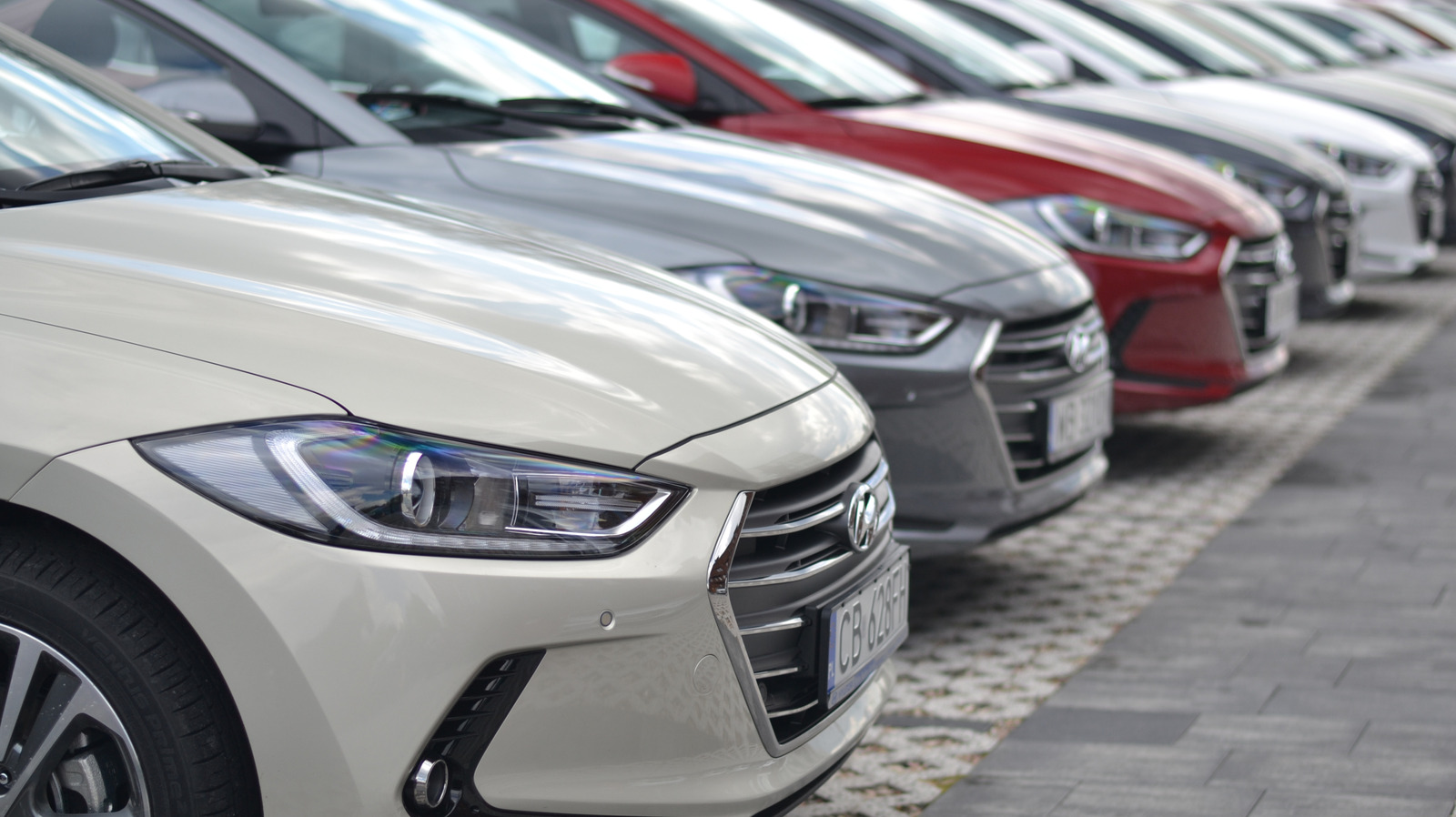
Compact cars sit in a sweet spot that keeps them useful, affordable, and easy to live with. They are not just smaller versions of bigger vehicles, because the classification depends on interior room, not only on what the outside looks like. That difference helps explain why compact cars continue to matter even when SUVs and trucks dominate the road.
The EPA classifies passenger vehicles by interior volume index, which blends passenger space and cargo space into one number. If that total falls between 100 and 110 cubic feet, the vehicle lands in the compact class. That means two cars with nearly identical footprints can still end up in different categories if one offers more usable room inside.
That interior-first approach also explains why compact cars often feel more practical than their name suggests. They usually strike a balance between efficiency and everyday comfort, giving drivers enough space for commuting, errands, and weekend trips without the bulk of a larger vehicle. For people who do not need a giant cabin, that balance can feel like the whole point.
One big reason compact cars stay popular is price. They often cost less than larger vehicles, though exact pricing still depends on the brand, trim, and features packed into the car. In a market where new-vehicle prices can get ugly fast, that lower entry point is a major draw.
Maneuverability is another big win. Smaller cars are usually easier to thread through traffic, squeeze into tight parking spots, and handle in crowded city settings. For drivers who hate wrestling a big vehicle into a narrow space, a compact car can make daily driving feel a lot less stressful.
Fuel economy has long been part of the compact car appeal, too. Many compact models deliver strong mileage compared with larger vehicles, although the exact numbers vary widely by engine and drivetrain. That efficiency has always helped them stand out, especially when gas prices climb and drivers start looking for relief at the pump.
There are tradeoffs, of course, and they are hard to ignore. A compact car usually gives up some interior stretch-out room, which can matter on long drives or in families with growing kids. Smaller engines can also mean less power, so these cars may not deliver the same punch as larger or more performance-focused vehicles.
The compact car story in the United States goes back to a time when big cars ruled the market. After World War II, some automakers started experimenting with smaller, more efficient designs, and Nash’s Rambler is widely seen as the first successful American compact car. It gave buyers a cheaper, more practical option at a moment when the auto industry was still built around size.
Compact cars did not become a permanent fad overnight. Their popularity rose and fell as drivers changed their preferences and the economy shifted around them, especially when fuel costs became a bigger concern in the 1970s. That era helped smaller models gain serious attention, and cars like the first Honda Civic showed that efficiency and smart packaging could be a real advantage, not a compromise.
Over time, compact cars matured beyond their old reputation as bare-bones transportation. Models such as the Toyota Corolla helped prove that a smaller car could still be reliable, capable, and appealing to a wide range of buyers. Today’s compact models often come with better tech, stronger safety features, and a more polished feel than earlier generations ever had.
Even with giant SUVs crowding highways and parking lots, compact cars still have a place because they answer a very basic question in a sharp way: how much car does a driver actually need? Rising costs have pushed plenty of shoppers back toward smaller options, and the segment keeps adapting to that reality. The result is a category that still feels relevant, practical, and surprisingly tough to beat when the goal is getting a lot out of a little.
