
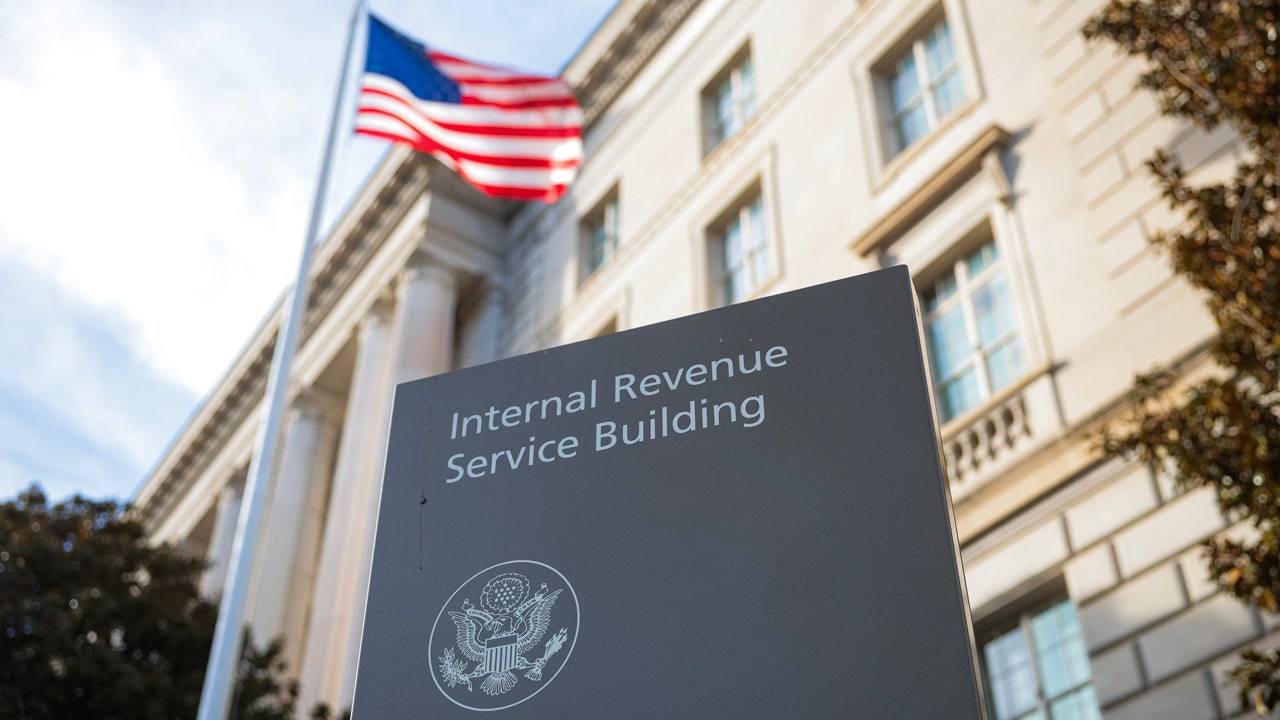
The IRS turned a long-standing tax incentive into a legal nightmare by changing the rules after the fact and then treating ordinary taxpayers like suspects. Conservation easements were meant to protect land and encourage private conservation, but the agency’s hard turn against syndicated deals has triggered audits, litigation, and a lot of anger over basic fairness.
For decades, conservation easements sat comfortably in the tax code. They gave landowners a way to preserve working farms, forests, and open space while receiving a deduction for giving up development rights, and the policy helped conserve millions of acres across the country.
The trouble started when IRS officials decided they disliked how some partnerships were using the deduction. Instead of rewriting the law through normal channels, they issued Notice 2017-10 and slapped a broad class of transactions with the label of “listed transactions,” which brought heavy disclosure rules and a new wave of enforcement pressure.
That move mattered because it did not just target obvious abuse. It reached back in time, branding transactions as “presumptively abusive” retroactive to 2010, even though the underlying tax rules had been on the books for years and had encouraged conservation activity in the first place.
There is no serious argument that every deal in this area was clean. A bipartisan Senate Finance Committee investigation found real misconduct in some cases, especially where promoters pushed inflated valuations and exaggerated deductions, and those bad actors should not get a pass.
But that is very different from assuming everyone in the system was running a scam. The IRS took a few ugly examples and turned them into a sweeping crackdown that dragged more than 1,100 disputes into audits and court fights, including hundreds already docketed in Tax Court.
That is where the whole thing starts to look less like enforcement and more like a trap. Taxpayers who relied on the rules as written were suddenly hit with cookie-cutter examinations, aggressive settlement demands, and the kind of pressure that can wreck a family budget or even push someone toward bankruptcy.
The process also raised a bigger constitutional and procedural problem. The IRS does not write tax law, Congress does, and a tax agency should not be able to change the meaning of a deduction through an internal notice and then enforce that change as if it were passed legislation.
Even worse, the enforcement campaign kept rolling during the Biden administration, when the IRS got more money and more staff to expand its reach. Instead of fixing the fairness problems or narrowing the campaign to the truly abusive deals, the agency kept pushing ahead against taxpayers caught in the middle.
That is the part that really sticks in the craw. When government sets up an incentive, tells people it is legitimate, and then later punishes them for using it, trust in the whole tax system takes a beating.
The irony got sharper when the IRS itself came under fire for misconduct. A May 2026 Treasury Inspector General report found seven cases involving backdated penalty-approval documents, and the agency ended up conceding more than $68 million in penalties tied to those cases.
So while taxpayers were being boxed in and accused, the agency was dealing with its own failures on basic compliance. That kind of double standard does not inspire confidence, especially when the same institution is demanding obedience from everyone else.
The fix should be straightforward. Congress needs to close the door on after-the-fact tax changes, and the IRS should provide clear, honest guidance so conservation donations can be made without future guesswork or gotcha tactics.
Law-abiding taxpayers should not be left to fight an agency that acts like judge, jury and executioner. If the law is going to reward conservation, then the government should honor the bargain and stop punishing the people who took it seriously.
