
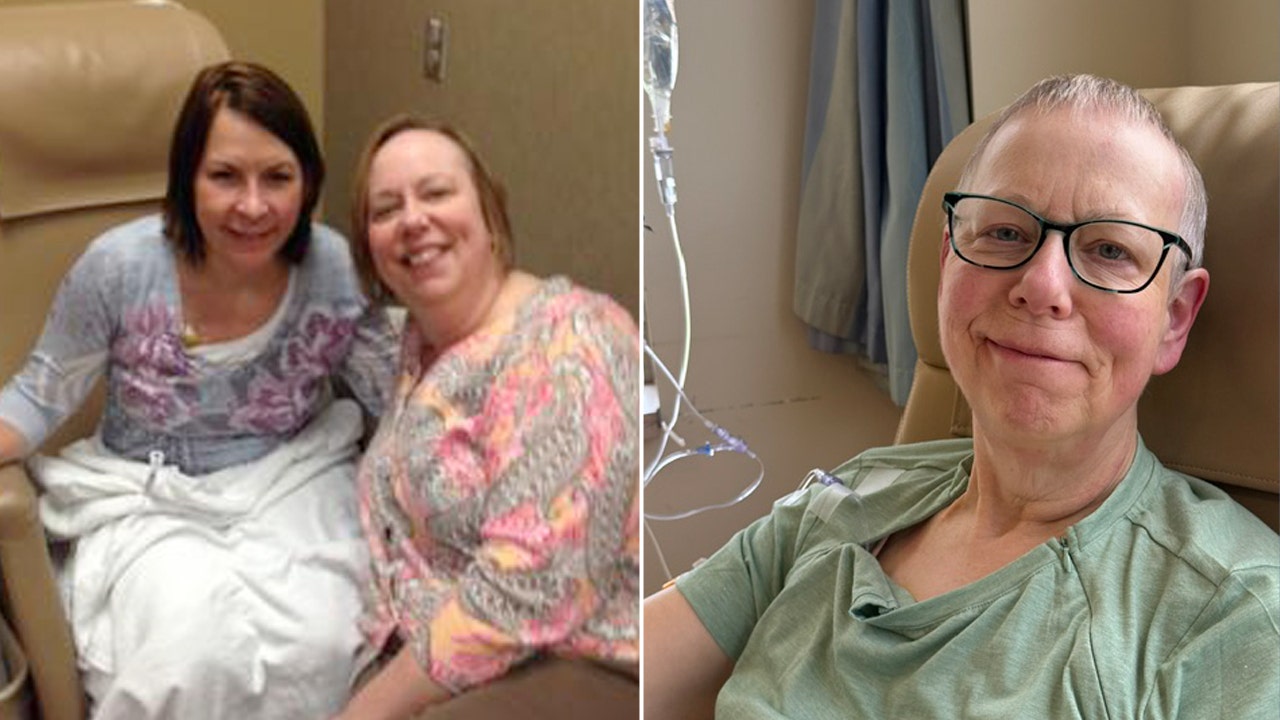
Becky Drexler’s story carries a painful twist that makes ovarian cancer feel even more brutal: she lost her best friend to the disease, then faced the same diagnosis herself not long after. What started as support for someone else turned into a personal battle marked by surgery, chemotherapy, recurrence, and the long grind of staying alert for every change in her body.
Drexler was close to Connie Dahl, who was diagnosed with stage 4 ovarian cancer in 2015 at age 51 and died after years of fighting. While standing beside her friend through treatment, Drexler began volunteering with the Minnesota Ovarian Cancer Alliance, a move that later became part of her own support system when life took a hard left turn.
After retiring in 2017, Drexler expected to spend her time traveling, gardening, and being more present with family and friends. That plan was interrupted in July 2018 when she learned she had stage 3B high-grade serous ovarian cancer, a diagnosis that arrived after she had brushed off symptoms like frequent urination, constipation, bloating, and hip pain as nothing more than getting older.
Her experience sounded eerily familiar. Drexler later said that by early summer she felt nudged to act, describing dragonflies that seemed to remind her of Connie and pushed her to finally call the doctor. A CT scan on her 57th birthday found masses on both ovaries, and surgery followed just days later.
She then went through six rounds of chemotherapy with carboplatin and taxol from September 2018 to January 2019. Even in the middle of that storm, she leaned on family, friends, her care team, and the support network she had already built through MOCA.
For a while, things looked better. Drexler said her friend’s attitude helped keep her going, especially the idea of staying positive and living fully every day, and she also leaned on women who understood exactly what she was facing. That sense of community mattered, because cancer can be lonely even when the room is full.
Then came another setback. In August 2020, Drexler’s cancer returned, this time in her pelvic area, and she had surgery to remove the new tumor. After discussing her options with her oncologist, she chose targeted radiation, which led to another no evidence of disease result in early 2021.
She later started Lynparza, a PARP inhibitor used as maintenance treatment, and stayed in NED status for years. In winter 2025, new gastric symptoms led to a PET scan that found a tumor near her small intestine, and surgery confirmed it was another ovarian cancer recurrence.
By May 2026, Drexler had begun another 18-week treatment cycle that included carboplatin, taxol, and avastin. A mid-treatment scan brought encouraging news when the visible spots disappeared, though the next steps could still depend on future imaging and whether an antibody drug conjugate maintenance plan becomes the right move.
Through all of it, Drexler has kept volunteering with MOCA, serving on its board, working on committees, and helping review research grants. She also points to the sharp contrast between treatment options available now and what was available when Connie was sick, saying better therapies may be part of why she is still here today.
Doctors say ovarian cancer has long been called the “silent killer,” but the real problem is that its warning signs are easy to wave off. Brian M. Slomovitz, M.D., says many women are still diagnosed at stage 3 or stage 4 because symptoms can look like ordinary stomach trouble, bloating, abdominal pressure, or a change in how clothes fit.
Those signs can also show up with lower appetite, weight loss, or a general feeling that something is off. The warning is simple but serious: if symptoms linger or keep getting worse for a week or two, they deserve attention instead of excuses.
Drexler’s advice to other women is blunt for a reason. If something feels wrong and does not go away, do not brush it aside as stress, aging, or a bad meal, and do not wait around hoping it will sort itself out.
She also stresses the value of seeing a gynecologic oncologist if ovarian cancer is suspected, since those specialists have deeper training in treating the disease. Research has moved treatment forward in big ways, but early detection still lags behind, and for ovarian cancer, that gap remains one of the hardest problems to crack.
