
The latest details surrounding Thomas Crooks have only deepened the sense of unease around the Butler, Pennsylvania attack. New comments from his father paint a picture of a child who seemed detached in a way that stood out, adding another unsettling layer to an already shocking political violence case.
According to those remarks, Crooks appeared emotionally flat from the start, a trait that now draws fresh attention in light of the attempted assassination of Donald Trump. That kind of description naturally raises hard questions about warning signs, family awareness, and how someone can drift from quiet strangeness into something far more dangerous.
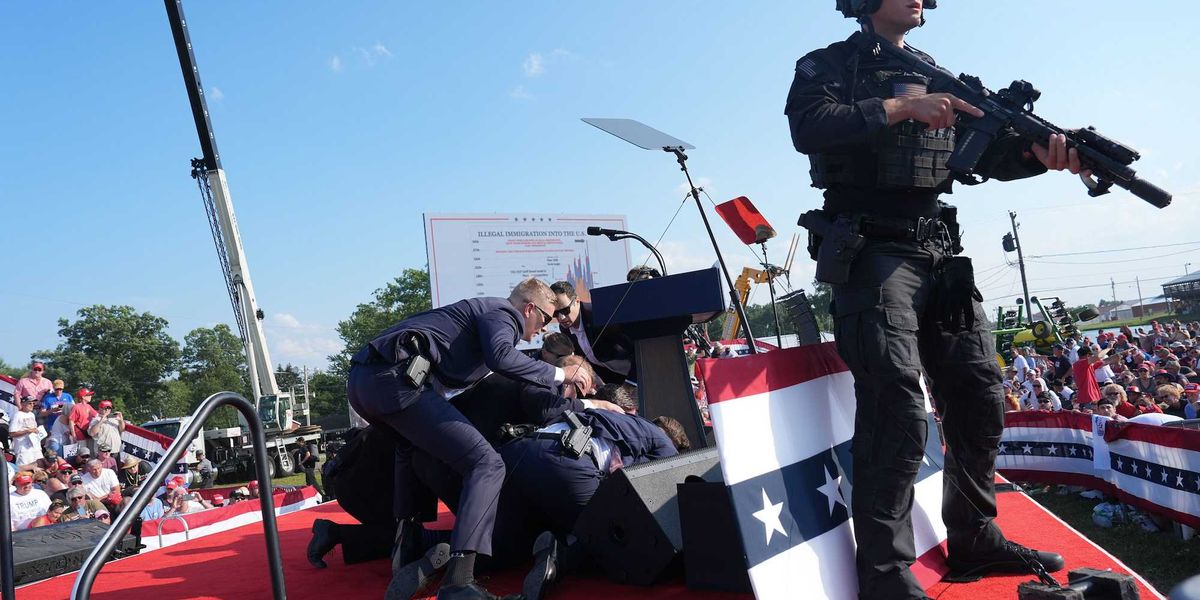
Crooks became a national name after the July rally in Butler turned chaotic in seconds. The violence shocked the country, rattled supporters, and immediately put the Secret Service, local law enforcement, and broader security failures under a harsh spotlight.
The father’s comments do not answer every question, but they do add a disturbing human angle to the story. People often look for the exact moment a path turned, yet cases like this rarely offer a neat line from childhood behavior to public catastrophe.
That is part of what makes the Butler attack so hard to shake. It was not only a direct strike at a former president and leading political figure, but also a reminder that danger can emerge from places that look ordinary until the worst moment arrives.
Investigators and reporters have spent months sorting through Crooks’ background, trying to piece together what he believed, what he planned, and what others might have noticed. Even then, the picture remains jagged, with fragments of behavior and testimony that hint at isolation, obsession, and a troubling emotional distance.
For many Americans, the father’s account lands with a cold kind of force. Hearing someone described as emotionless from birth is not the sort of detail that makes sense of violence, but it does sharpen the mystery around how a young man reached such a terrifying point.
The attack also revived a broader conversation about political rage and the cost of treating public figures like targets instead of opponents. Once that line gets crossed, the damage spreads fast, and the ripple effects hit not just the people in the line of fire but everyone forced to watch it unfold.
In the end, the new remarks do not soften what happened in Butler. They make the story feel even more unsettling, because they suggest that the darkness may have been there long before the shots were fired, waiting for a moment when it could break into the open.
