
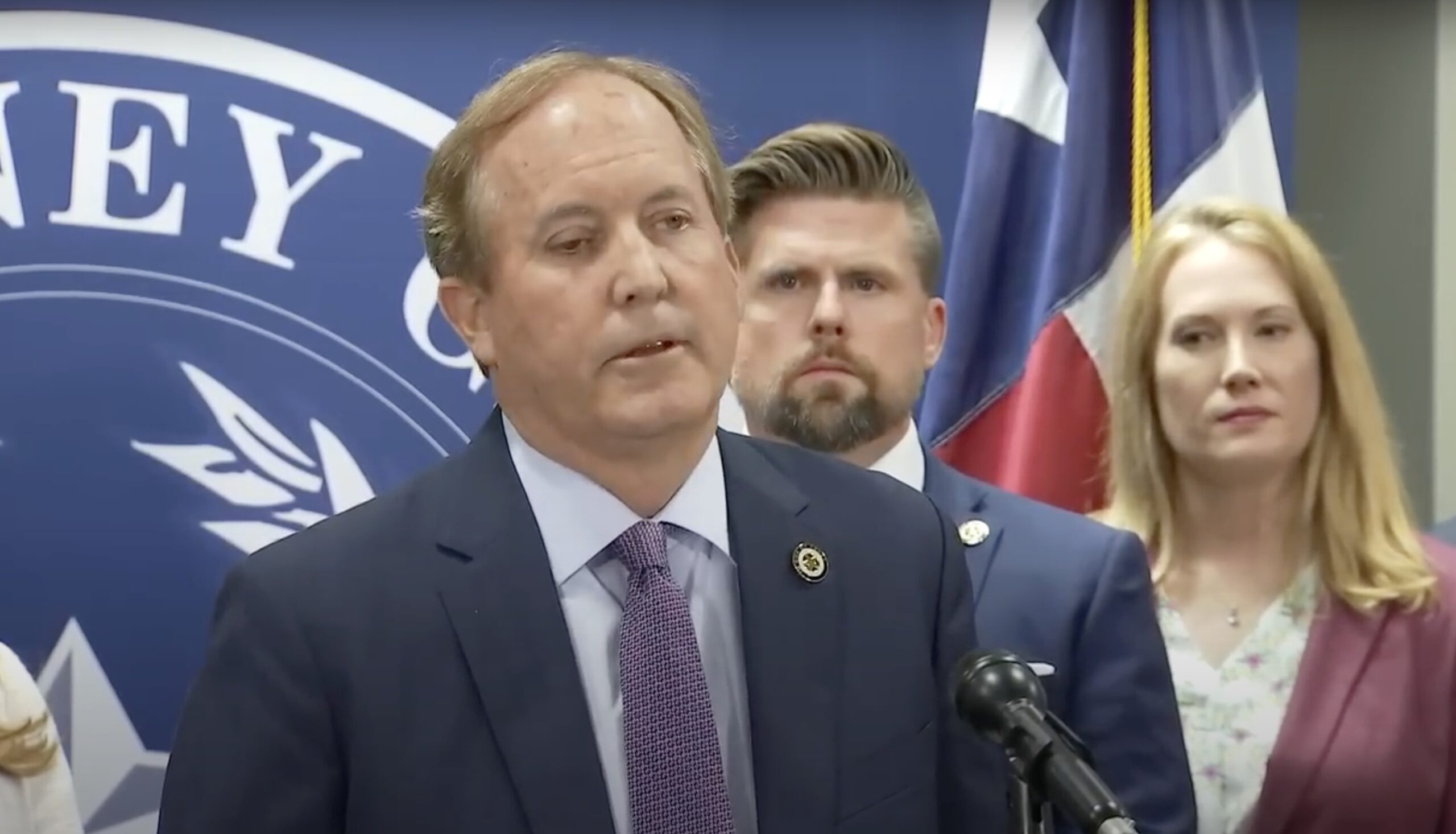
A Texas judge ruled against Attorney General Ken Paxton’s office, awarding a $6.6 million judgment to four former aides. These aides, who had reported Paxton to the FBI without substantive evidence, claimed wrongful termination after their allegations. Judge Catherine Mauzy sided with the “whistleblowers,” effectively leaving Texas taxpayers to shoulder the financial burden.
The judgment covers a range of compensations, including attorney fees and emotional damages, for Blake Brickman, Mark Penley, David Maxwell, and Ryan Vassar. The lawsuit has sparked controversy, with many conservatives questioning the motives behind the claims. Critics argue this decision unfairly penalizes an administration known for its strong conservative stance, and some see it as a politically motivated attack.
The case’s roots trace back to 2020 when the aides accused Paxton of misconduct involving real estate investor Nate Paul. Despite the sensational claims, Ryan Vassar admitted during a Senate impeachment trial that they had no evidence when reporting to the FBI. This admission has fueled criticism, particularly from those who see the ruling as rewarding baseless claims.
Prominent attorney Mitch Little, who represented Paxton during the impeachment, openly challenged Vassar’s credibility. Little highlighted the lack of evidence and questioned the former aide’s motivations. Nonetheless, the Travis County court chose to focus on other aspects of the case, leading to the multimillion-dollar payout.
In her ruling, Judge Mauzy cited a “preponderance of evidence” as the basis for her decision. She argued that the plaintiffs had sufficiently demonstrated liability and damages under the Texas Whistleblower Act. This act protects employees who report illegal activities in good faith, though critics argue the evidence was lacking.
The ruling has significant financial implications for Texas residents, given the hefty attorney fees and future payments involved. Many conservatives are frustrated by what they view as an unnecessary financial burden placed on the public. They argue that the case was mishandled and question the motivations behind the lawsuit.
Paxton, known for his staunch support of former President Donald Trump, has vowed to appeal the decision. In a statement, he condemned the ruling as a continuation of a politically motivated attack. He specifically criticized Judge Mauzy and accused her of siding with what he calls a “corrupt” agenda.
The legal battle comes in the wake of a failed impeachment attempt against Paxton by the Texas Senate. The Senate had acquitted Paxton on all charges, further questioning the necessity of the court’s decision. Supporters of Paxton see this ruling as an attempt to undermine a prominent conservative leader.
Paxton’s office has been a target for several legal challenges, often clashing with liberal-leaning entities. His critics argue that these challenges are politically motivated efforts to weaken conservative governance. However, his supporters maintain that Paxton represents the values and interests of Texas voters.
The financial breakdown of the judgment reveals significant payouts for each former aide. For instance, Mark Penley is set to receive around $2 million, including compensation for lost retirement benefits. Such figures have intensified debates over the appropriateness of the ruling.
Texas residents now face the prospect of increased financial obligations stemming from this lawsuit. The decision has sparked discussions across the state about the role of the judiciary in politically charged cases. Many conservatives call for a reevaluation of how such cases are handled to prevent similar outcomes in the future.
The case continues to be a focal point in Texas politics, highlighting the tensions between conservative officials and liberal-leaning courts. It underscores the ongoing struggle over the direction of governance in Texas. As the appeal process unfolds, the case is likely to remain under the spotlight.
Ken Paxton’s commitment to appealing the ruling reflects his broader fight against what he views as partisan attacks. He remains a polarizing figure in Texas politics, championing conservative causes and challenging federal interventions. His supporters rally behind him, viewing the legal battles as emblematic of larger political struggles.
The outcome of this case may have lasting implications for how whistleblower protections are interpreted in Texas. It raises questions about the balance between protecting employees and ensuring claims are substantiated. The broader impact on Texas politics and governance will be closely watched.
Texans are left to grapple with the consequences of this controversial ruling. The financial and political ramifications resonate across the state. As the situation develops, the case serves as a reminder of the complexities and challenges in navigating politically charged legal battles.

1 Comment
If the “whistleblowers” had no legitimate evidence, how can the judge justify calling it retribution? If they filed false claims their firings were appropriate.