
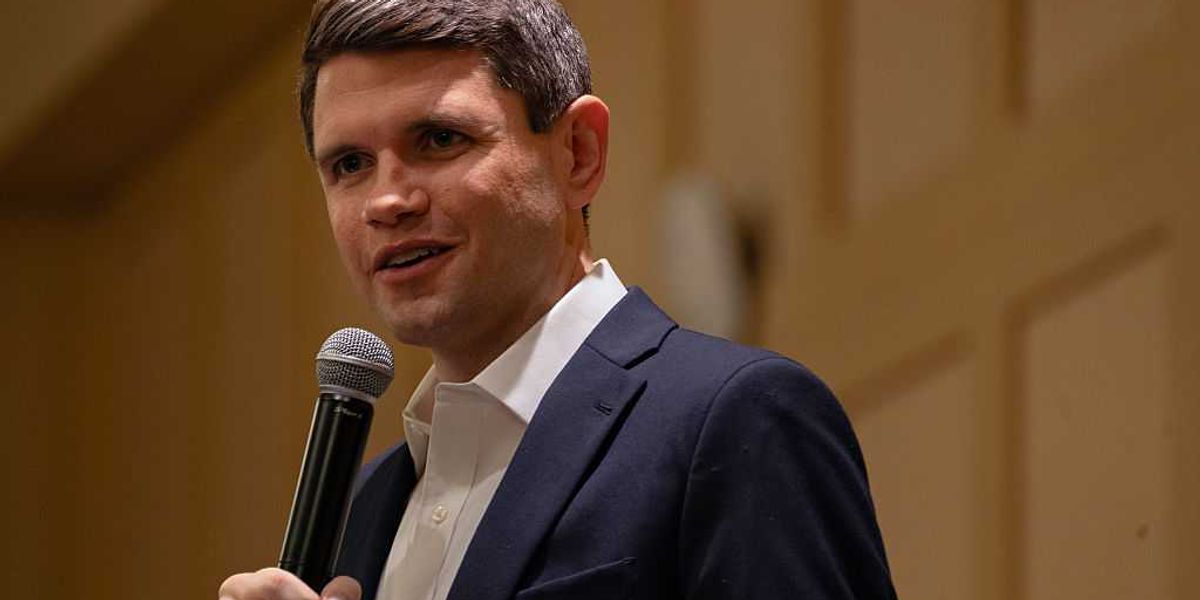
Texas politics is getting another round of faith-and-values theater, and it is leaving a lot of people squinting at the script. James Talarico has been trying to present himself as a Christian voice with political polish, but the gap between the message and the agenda keeps getting harder to ignore. That tension sits at the center of the reaction, especially for voters who care about what gets protected, what gets promoted, and what gets quietly pushed aside.
For many Christians, the concern is not whether a politician can quote scripture or talk softly about compassion. The concern is whether that language is being used to cover for a far more aggressive worldview underneath. When a candidate leans into religious framing while backing the broader priorities of the left, the whole thing starts to look less like conviction and more like marketing.
That is why so many people are wary of the polished, agreeable style that has become so effective in modern politics. It can sound thoughtful without being rooted, and empathetic without being honest about the consequences. A lot of Americans have learned the hard way that slick packaging does not make a bad policy good, especially when it comes wrapped in moral language.
The issue is bigger than one Texas race. Across the country, Democrats have gotten comfortable presenting themselves as defenders of tolerance, while at the same time backing abortion extremism, gender ideology, and other positions that clash with traditional Christian teaching. The result is a constant push-pull between public messaging and actual governing priorities.
That disconnect matters because religious voters are not looking for a performance. They are looking for clarity, consistency, and a willingness to stand firm when the culture gets hostile. When a politician seems eager to borrow Christian language but stays aligned with the same left-wing agenda that keeps hammering the family, churches, and parental rights, trust evaporates fast.
Texas conservatives are also watching the broader battlefield with fresh eyes. Names like Ken Paxton keep coming up because voters know the fight is not just about one personality, but about whether the state holds the line or drifts toward the same failed messaging game used by national Democrats. In a state where faith and civic identity still matter, voters tend to notice when somebody is selling unity while advancing division.
There is also a reason this kind of messaging hits a nerve with churchgoing voters. Many have spent years watching political leaders act reverent in public while helping normalize ideas that undercut the very beliefs they claim to respect. That kind of contradiction does not just feel fake, it feels insulting.
The left often counts on voters to stop at tone and never get to substance. A candidate can sound calm, humane, and measured, then support the same policies that expand abortion access, dismiss biological reality, and treat conservative Christians like obstacles to progress. That is exactly why the performance keeps drawing more skepticism than applause.
In Texas, the debate is not going away, and neither is the discomfort around it. If a candidate wants Christian voters to trust him, the burden is on him to show that the values being spoken aloud are the ones actually being defended when it counts. Without that, the whole act starts to look less like faith in action and more like political camouflage.
