
Tennessee lawmakers moved a sharp, pro-taxpayer bill through committee, forcing a real conversation about who should be entitled to publicly funded education. HB 793 would require schools to verify and report students’ immigration status, and supporters want courts to give states the power to stop federal overreach. This article lays out why Republicans see this as the first step toward protecting citizens, restoring local control and ending incentives that pull illegal immigration into public systems.
On March 10, HB 793 cleared a full committee on a 15-9 vote, mostly along party lines, and was set for a House floor hearing on March 16. Republicans backed the measure while all seven Democrats on the panel opposed it, reflecting the partisan split over immigration and education funding. The bill’s advancement signals a willingness to confront longstanding policy choices that affect school budgets and homeowners.
The proposal requires public and charter schools to verify students’ immigration status at enrollment and report aggregate data to the state. The Senate version had stronger language allowing schools to deny enrollment or charge tuition to those who cannot prove lawful presence, but the House removed that authority. Even so, requiring verification and reporting is a step toward transparency many conservatives argue was long overdue.
That baseline effort is only a start, though, and Republicans say it does not go far enough to stop taxpayer dollars from subsidizing unlawful attendance. Verification shines a light on the problem, but it leaves the core incentive in place: public funds still flow based on headcount. Lawmakers want to move beyond data collection toward policies that actually prevent tax dollars from paying for education for those unlawfully present.
State conservatives argue the sensible fix is a straightforward ban on using tax dollars to educate children who lack lawful status, redirecting resources to lawful residents and citizens. That change would free per-student funding to raise support for eligible students without raising taxes. It also aligns spending with the priority of serving constituents first.
OVER 100 CALIFORNIA COLLEGES ACCUSED OF DISCRIMINATING AGAINST US-BORN STUDENTS IN NEW DOJ COMPLAINT
Property taxes would feel the benefit if states refused to fund schooling for those here illegally, since local budgets are heavily dependent on per-student allocations. Homeowners squeezed by rising levies could see pressure ease as districts no longer have to stretch dollars for unexpected enrollments. The case for reform is both moral and economic, supporters say, because taxpayers should not bear the perpetual cost of broken border policy.
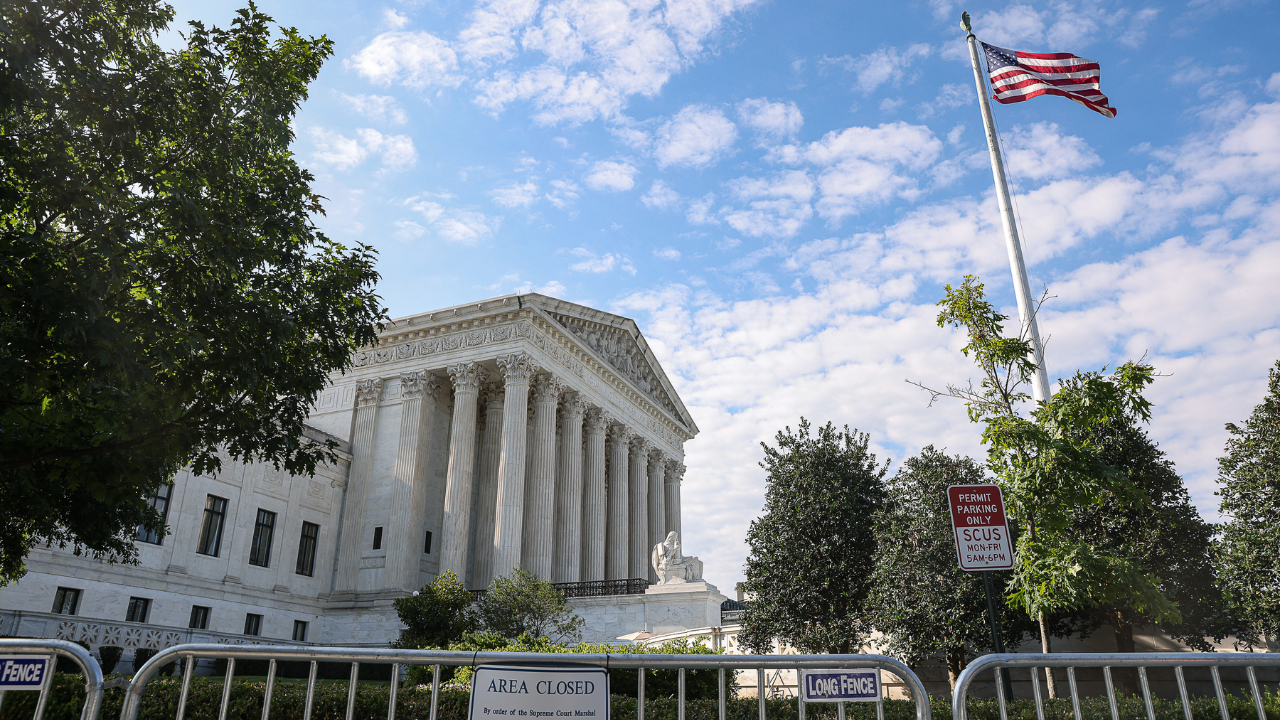
The 1982 Supreme Court decision in Plyler v. Doe sits at the center of this fight, and Republicans argue it wrongly froze a federal mandate into place. That 5-4 ruling imposed an obligation on states at a time when justices were more moderate, and conservatives believe the current court should revisit the question. Overturning Plyler would return education priorities to elected state officials rather than unelected judges.
Education funding and immigration enforcement are state-level concerns, and Republicans insist legislatures—not judges—should decide how limited dollars are allocated. The recent failure of federal enforcement only underscores the need for state-level solutions that protect residents. Lawmakers in states hit hardest by uncontrolled migration have a duty to manage their budgets and set clear priorities.
DOJ CHALLENGES VIRGINIA LAW GRANTING IN-STATE TUITION TO ILLEGAL IMMIGRANTS
Conservatives welcome legal fights that let the courts clarify the balance between federal rulings and state sovereignty. Teachers’ unions, who currently benefit from higher enrollment counts and supplemental ESL funding, might resist changes, but their double benefit creates a conflict with taxpayer interests. A legal victory would strip away the incentives that encourage schools to treat illegal enrollment as a revenue source.
A successful challenge in Tennessee could set precedent nationwide, prompting other states to follow with reforms that reclaim budgetary control. Rather than shrink from litigation, Republican leaders should push for it, confident the current court will recognize states’ rights to manage public education. Provoking a definitive ruling is a strategic step toward durable policy change.
GOP FIREBRAND URGES TRUMP AGENCIES TO CLAW BACK MASSIVE TAXPAYER BENEFITS PAID OUT TO IMMIGRANTS
Public opinion backs limits on taxpayer-funded education for the unlawfully present. Phi Delta Kappa International/Gallup poll found that 55% of Americans oppose using taxpayer dollars to educate children of illegal immigrants, with 81% of Republicans agreeing. Those numbers give momentum to lawmakers who want policy that prioritizes citizens and lawful residents.
Momentum is already building beyond Tennessee, with legislatures in Oklahoma, Texas, Idaho, Indiana and New Jersey pressing measures to contest Plyler and tighten enrollment rules. Some proposals require proof of status, others would impose tuition, and a few focus on collecting the data needed to act. This interstate push reflects growing frustration with the fiscal and administrative burdens of uncontrolled enrollment.
In Texas—where Plyler originated—Governor Greg Abbott has pushed for revisiting the decision to relieve local districts of unsustainable costs. Oklahoma and other states have proposed proof-of-status mandates or tuition models, while even blue-leaning states have introduced bills that challenge the status quo. Those efforts show the debate is not confined to one region or party corner.
TENNESSEE DEMOCRAT PROPOSES NEW BILL LIMITING ICE FROM SCHOOL CAMPUSES STATEWIDE
Opponents frame their stance as compassion, warning that denying access would hurt children, but Republicans counter that policies encouraging illegal entry by promising free services create long-term harm. They say compassion for citizens requires defending programs meant for those who play by the rules. Restoring fairness and fiscal sanity in education funding is the conservative aim behind these proposals.
The fiscal case is stark: educating unlawfully present students costs states billions, strains classrooms, increases demand for ESL staffing, and raises administrative burdens. Redirecting those funds toward class size reductions, teacher pay and program improvements for lawful students would be the practical outcome of tighter rules. Taxpayers and property owners, exhausted by relentless tax hikes, stand to gain the most from that shift.
Plyler currently treats public education as an entitlement regardless of legal status, and the Supreme Court could change that framework to return control to the states. HB 793 is imperfect, but it opens the door for stronger measures that would bar taxpayer-funded schooling for those unlawfully present and invite judicial review. Legislators ready to defend such a law in court will be advancing a clear Republican agenda: protect taxpayers, prioritize citizens, and restore state control.
