
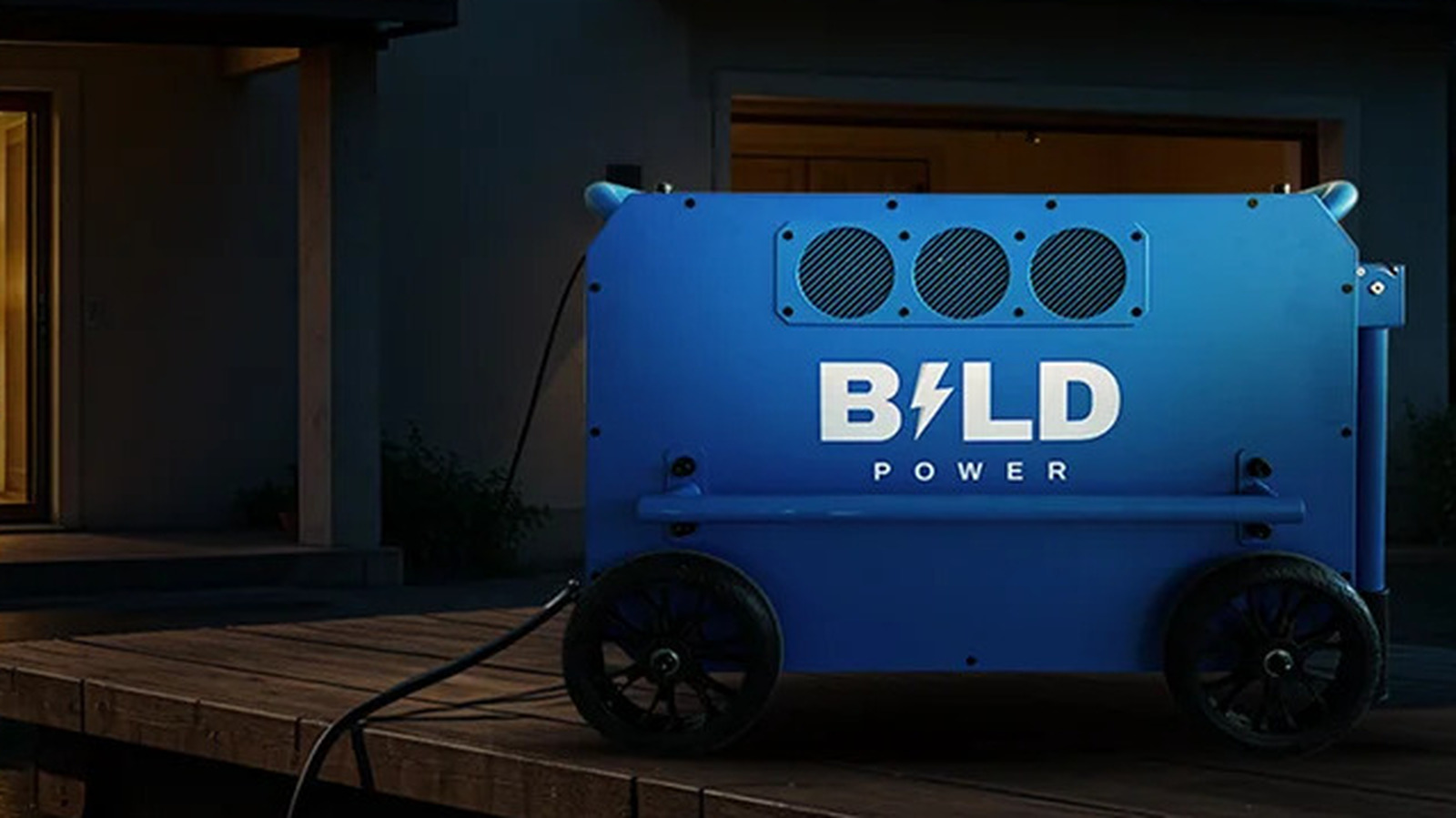
A compact, affordable whole-home battery built by a teenager is shaking up the market once dominated by big-brand systems like the Tesla Powerwall. This piece looks at what the device does, why the price matters, how it was developed, and what hurdles lie ahead for a disruptive entry from an unlikely inventor.
The device promises whole-house backup at roughly half the cost of a Powerwall, a bold claim that demands scrutiny. On paper it matches key functions homeowners expect: energy storage, grid-tied operation, and backup during outages. The real selling point is the price point, which instantly broadens the number of households that could consider a full-home battery instead of a smaller, hobbyist setup or no backup at all.
Design simplicity is part of the pitch. Instead of chasing flashy integrations and fancy app features, the system focuses on core reliability and straightforward installation. That approach trims manufacturing complexity and cost, allowing a lower sticker price while still delivering essential backup performance for critical loads like refrigeration, lighting, and communications.
The backstory adds an attention-grabbing layer: a teenager conceived and built the first working prototypes. Youthful ingenuity drove rapid iteration and a knack for using off-the-shelf components in clever ways. That origin story helps explain the product’s emphasis on practicality and efficiency rather than on brand prestige or elaborate software ecosystems.
Performance claims should be evaluated side by side with real-world testing, and early reviews emphasize sensible metrics like usable kilowatt-hours, round-trip efficiency, and charge/discharge cycles. Those are the numbers that determine whether a low-cost battery remains affordable over years of use. If efficiency and longevity hold up, the economics work; if not, upfront savings could vanish under replacement and maintenance costs.
Installation and compatibility matter almost as much as battery chemistry. A low-cost unit that requires expensive wiring upgrades or custom inverters will undercut its advantages. This product aims for plug-and-play friendliness with common residential electrical setups, lowering the barrier for electricians and DIY-savvy homeowners to adopt whole-home storage.
Market reaction is already mixed. Enthusiasts celebrate the idea of affordable resilience, while skeptics caution against trading proven warranties and large-scale support networks for a bargain-basement alternative. For broader adoption, the company will need to scale manufacturing, secure reliable supply chains, and back the product with a credible warranty program to compete with established players.
Regulatory and grid-integration issues add another layer of complexity. Utilities and local electrical codes can create hurdles for new hardware, especially for systems that alter how homes interact with the grid during outages. Navigating those requirements will be a necessary part of moving from a clever prototype to a mainstream option for homeowners.
Regardless of how this particular product fares, the moment is useful for the whole-home battery market. Lower-cost competition forces legacy manufacturers to rethink pricing and drives innovation in modular design and installation. For homeowners, more choices mean a better chance to find a storage solution that balances price, performance, and longevity.
