
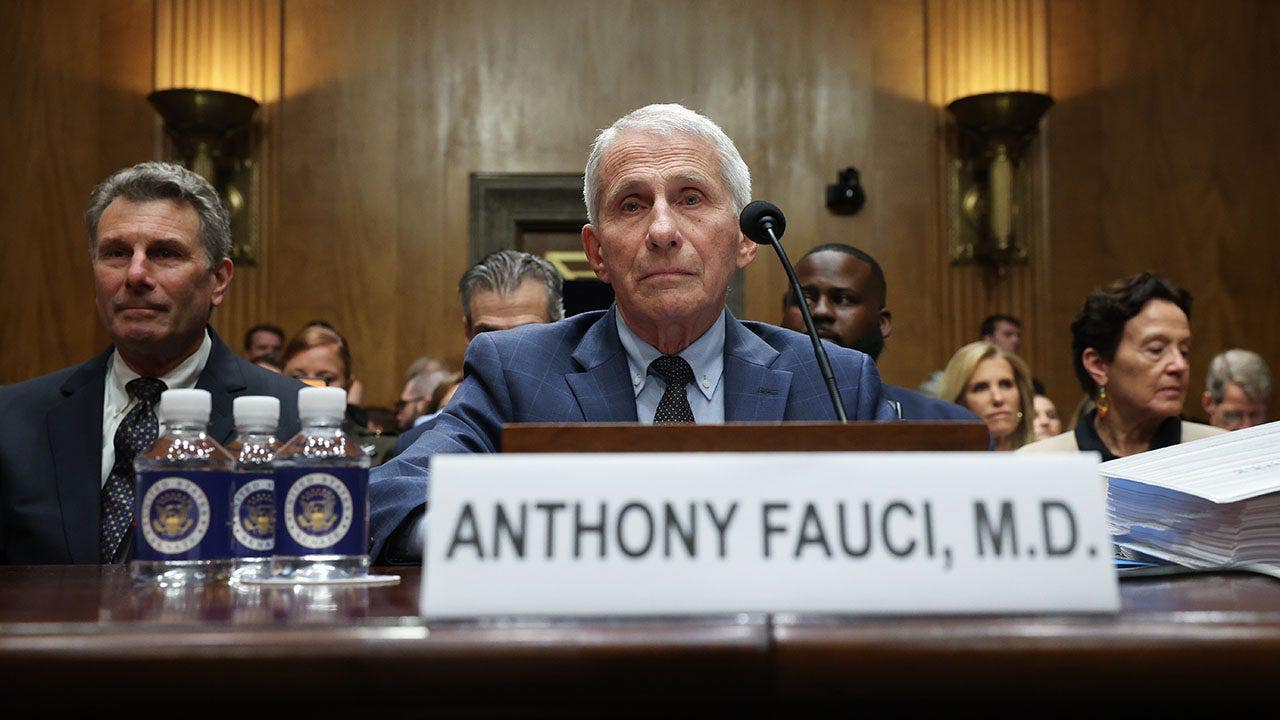
Anthony Fauci’s Senate silence landed like a thunderclap, but the bigger story is what his own diary appears to say about the gap between his private notes and his public denials. From school closures to the lab leak debate, the entries described here paint a picture of a man who publicly preached certainty while privately tracking a far messier reality.
Years ago, Fauci told Georgetown students to “Stick with the science and never veer from that, even when the science turns out to be an inconvenient truth for somebody.” It sounded tidy then, almost airtight. But when he faced the Senate Homeland Security Committee, he leaned on a very different line, repeatedly saying, “On the advice of counsel, I respectfully decline to answer based upon my rights under the Fifth Amendment to the Constitution.”
That choice immediately split opinion. Critics saw a doctor who had spent years in front of cameras and committees suddenly retreating behind constitutional protection, while supporters argued he was simply using a legal shield available to anyone in his position. There is no mystery about the right itself, since invoking the Fifth can be a smart move when false statements could create criminal exposure.
What makes this hearing different is Fauci’s long track record of answering questions elsewhere. He had testified before Congress many times and talked freely in interviews, so the sudden silence stood out. His situation also carried an added layer of risk because of the last-minute pardon he received, which made every word before the committee potentially more consequential.
Some of the most embarrassing areas for Fauci concerned his entries acknowledging that he pushed to close schools despite public denials that he ever recommended such closures.
The diary entries are where things start to bite. They suggest Fauci privately recognized more than he let on, especially on school shutdowns, where the notes reportedly show him taking credit for helping drive closures even while he publicly denied having a role. That kind of contradiction is exactly why the hearing felt so combustible.
There is also the issue of the virus origin debate, which Fauci could not escape even if he wanted to. According to the material described here, his diary connected the Wuhan lab to the crisis earlier than most people were talking about it, and it also reflected serious attention to gain-of-function research and skepticism toward the wet market explanation.
That matters because the public conversation was so hostile to the lab leak theory for so long. Federal agencies later viewed it as the most credible explanation, yet Fauci was accused of helping sustain a different narrative in public while holding a more complicated view in private. That disconnect is the kind of thing that turns a hearing into a showdown.
The school issue was not the only flash point. Fauci’s notes reportedly show him claiming credit for persuading figures like former New York City Mayor Bill de Blasio and staff around California Gov. Gavin Newsom to close schools, even as he told the public he had nothing to do with it. That kind of paper trail is brutal because it leaves little room for memory tricks or polished talking points.
In one 2022 interview, Fauci again denied responsibility for school shutdowns, insisting, “They always come back and say, ‘Fauci was responsible for shutting schools down.’ I had nothing to do [with it]!” But the diary entries described here make that denial look awfully fragile. Once private notes start undercutting public answers, the whole story changes tone fast.
He was also said to have remained quiet while allies in the media attacked people who raised the lab theory, including voices who were later vindicated by federal assessments. At the same time, his diary allegedly shows a man enjoying the spotlight, collecting bobbleheads, cover features, and the kind of celebrity attention most public health officials never get. That contrast between image and substance is hard to miss, and it keeps the pressure on every time his name comes up.
The real tension now is whether the legal shield ends the story or just freezes it for a while. If immunity becomes part of the picture, the committee could still force answers, and those answers could ripple well beyond one hearing room. That is why the diary matters so much, because once the private record is out there, every new question starts with a shadow already hanging over it.

