
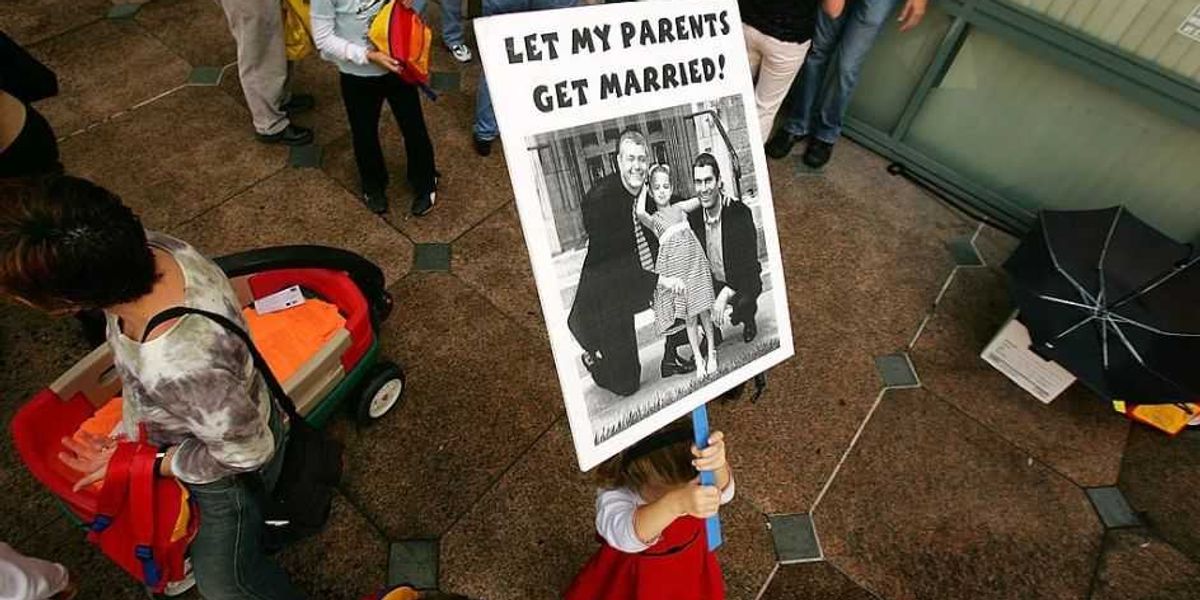
Questions about family, marriage, and child welfare keep landing at the center of public debate, and the conversation around gay parenting is no exception. A growing body of research, along with sharp disagreements over interpretation, has turned what was once a niche academic issue into a full-blown cultural flashpoint. At the heart of it all is a simple tension: what adults want, what institutions celebrate, and what children experience in real life.
Supporters of traditional marriage often argue that the best interests of children are too important to be treated like a slogan. They point to research, religious convictions, and long-standing social norms that place mothers and fathers at the center of family life. For them, the issue is not about attacking anyone personally, but about refusing to pretend all family structures are the same.
That is where the debate gets heated fast. In many public spaces, criticism of gay parenting is treated as taboo, while supportive claims are repeated as settled science. Yet the underlying studies, especially those examining long-term outcomes, are often far more contested than the public conversation suggests.
One of the loudest voices in this space has been the Ruth Institute, which has made a habit of challenging the cultural script around marriage and parenting. Its arguments lean heavily on the idea that children do best when raised by their married mother and father, and that policy should not ignore that pattern just because it is politically uncomfortable. The broader message is blunt: sentiment is not a substitute for evidence.
Father Paul Sullins has also drawn attention for research that questions some of the most confident claims made on behalf of same-sex parenting. His work has been cited by those who say the public deserves a more honest discussion about what the studies actually show and where the gaps remain. That kind of pushback tends to spark outrage, but it also forces a closer look at assumptions that often go unchallenged.
The fight is not only academic. It spills into schools, churches, laws, and the everyday language people are allowed to use without getting shouted down. For critics of the current cultural orthodoxy, the real concern is that children are being turned into props in an adult identity battle.
There is also a deeper clash over truth itself. Traditionalists say that marriage exists for a reason, that fatherhood and motherhood are not interchangeable labels, and that pushing ideology into family policy can have real consequences. They see the celebration of every family model as a kind of pressure campaign, one that leaves no room for honest disagreement.
At the same time, many advocates for gay parenting insist the focus should be on love, stability, and commitment rather than the gender makeup of a household. That argument has strong emotional appeal, and it helps explain why the issue remains so difficult to discuss calmly. But emotional appeal is not the same thing as a final answer, and the research debate keeps that fact front and center.
What makes this conversation so charged is that it touches both private life and public morality. People are not just arguing over data points, but over what kind of society should be rewarded, defended, and taught to the next generation. That is why the clash over family structure keeps coming back, louder each time, and why the studies some people want buried continue to matter.
The subject is not likely to fade anytime soon, especially as culture-war battles keep tightening around schools, media, and churches. As more people notice how carefully some findings are framed, the pressure to ask harder questions only grows. And once those questions are out in the open, they tend to linger.
