
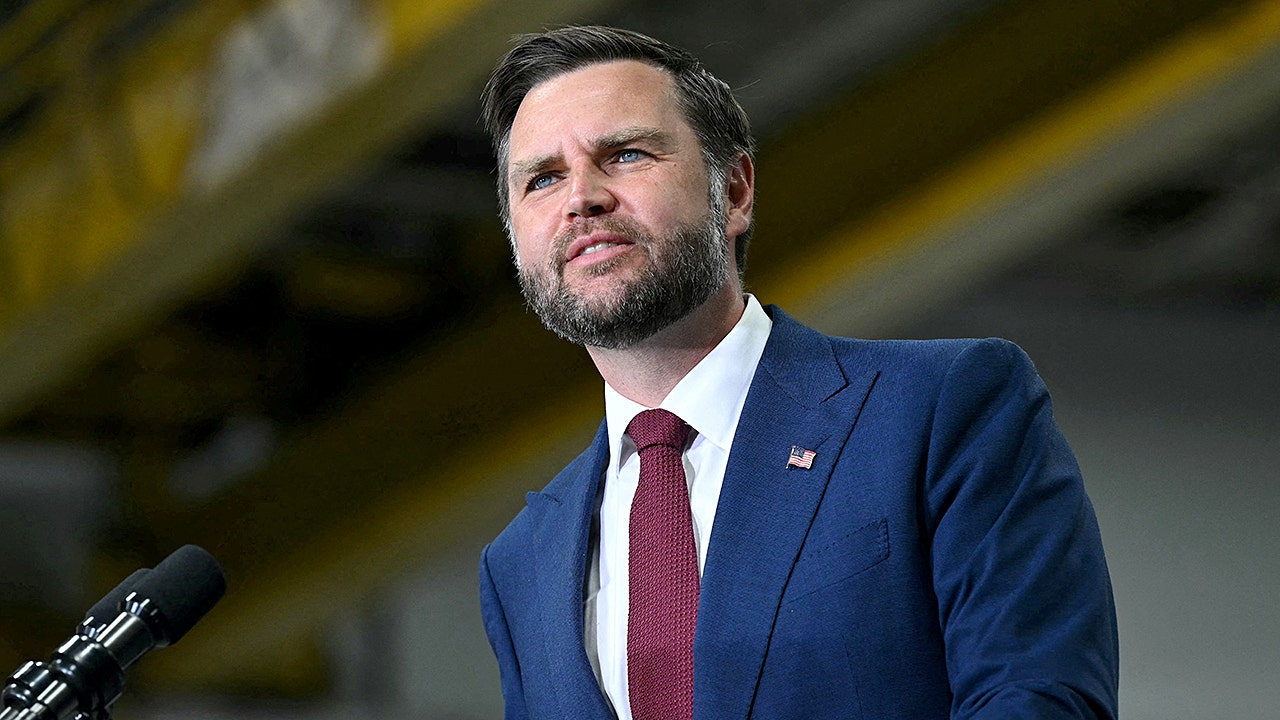
JD Vance walked into a Michigan town hall with a stack of hot-button issues waiting for him, and the crowd did not waste time. Gas prices, Washington corruption, immigration, the Iran war and antisemitism all came up fast, turning the event into a sharp snapshot of the political mood in a key battleground state.
One of the first clashes centered on the cost of gas, a topic that still hits voters right in the wallet. Vance blamed a mix of foreign disruptions and Biden-era policy choices, arguing that lost refining capacity helped push prices higher and that rebuilding supply takes time, not slogans.
That answer did not end the argument, especially with gasoline still a pain point for families and workers who depend on their cars every day. CBS News anchor Tony Dokoupil pushed back on the idea that blame could stay pinned on the last administration forever, which kept the exchange tense and very much in the open.
Corruption in Washington came next, and the tone only got sharper. Dokoupil referenced public concern about the issue and asked Vance whether anything in the Trump White House had made him uncomfortable, a question that invited a careful answer and got one.
Vance said corruption in the capital is real, but he drew a hard line between the swamp and the president himself. He also said selling access to the White House would be “disgusting and despicable” and insisted he would comply with subpoenas if Congress ever demanded answers.
Immigration brought another round of friction, this time from a naturalized citizen who said she supported Vance but thought his rhetoric sometimes crossed the line. She challenged his language about H-1B workers and asked why the administration seemed so eager to frame immigrants as the problem.
Vance said, “To the extent that my rhetoric has been imperfect here, that’s on me,” but he did not back away from the larger argument. His point was that companies should not use foreign labor as a tool to undercut American workers, and he framed the issue as a fight with employers, not with immigrants themselves.
He also tried to make a broader cultural case, arguing that rapid immigration can strain communities and make assimilation harder. That part of the exchange landed as a familiar Vance theme, one rooted in the belief that national cohesion matters just as much as labor policy.
The foreign policy segment turned to Iran and the ongoing war, where Vance made a bold claim about the damage already done. He said American strikes had destroyed Iran’s nuclear program and argued that the operation was meant to stop Tehran from gaining a dangerous strategic edge.
At the same time, he said the fight was not fully over because Iran could still try to rebuild and keep threatening energy routes. Vance tied those attacks to the Strait of Hormuz and said U.S. naval protection of commercial shipping was helping keep fuel prices from climbing even higher.
One of the most emotionally charged moments came when the conversation shifted to antisemitism and a synagogue attack in Michigan. A father whose children survived that assault asked Vance to confront hateful rhetoric in conservative circles and to speak plainly about the issue.
Vance answered directly, saying, “I condemn anti-Semitism. I condemn Jew hatred,” before turning his attention to Michigan Democrat Abdul El-Sayed and his response to the attack. The exchange carried extra weight because the question came from a family still living with the aftermath of violence.
Throughout the town hall, Vance tried to project toughness on the issues that have defined the moment for Republicans: affordability, border policy, corruption and national security. The back-and-forth showed how voters are pressing leaders to connect ideology with real-life consequences, especially in a state where every major concern seems to arrive all at once.
