
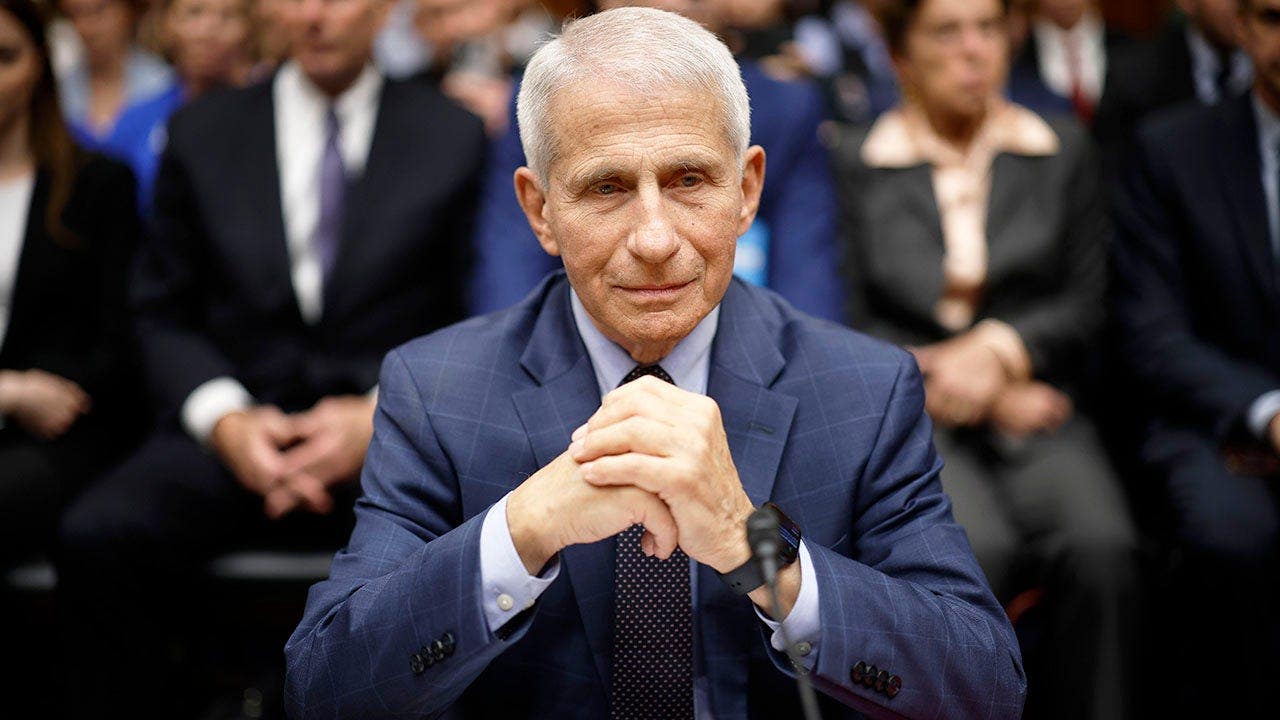
Anthony Fauci’s newly exposed diary entries and his recent refusal to answer questions on Capitol Hill have put fresh attention on how he handled the pandemic, what he said publicly, and what he seems to have believed behind closed doors. The picture that emerges is one of a powerful public health figure who enjoyed the spotlight, pushed a strict message, and now faces tough questions about honesty, accountability, and the fallout from COVID-era decisions.
On Wednesday, Fauci leaned on the Fifth Amendment during a Senate hearing, declining to answer a long string of questions. That move did not happen in a vacuum, because the diary entries released just before the hearing had already stirred up a storm over what he wrote privately while the country was still reeling from the pandemic.
One entry from early May 2020 caught a lot of attention because Fauci described his fame as “explosive and really unimaginable,” and said he might be “the most famous and talked about person in the country and one of the most recognizable persons in the world.” That kind of self-regard is hard to shrug off, especially when millions of Americans were scared, isolated, and trying to make sense of a crisis that touched every part of daily life.
The diary also gives a glimpse into the kind of praise Fauci was receiving from celebrity and media circles. The entries suggest a world where he was treated like a star, surrounded by admiration from high-profile figures and buoyed by the idea that he was the final word on science. That image clashes sharply with the more guarded, uncertain, and sometimes contradictory tone he presented to the public.
One of the most damaging parts of the diary is how it lines up with the way Fauci spoke on television. Privately, he questioned the wet market explanation for the virus, but publicly he repeated it. That gap matters because the origin story of COVID was not some minor detail, it was a huge part of how people understood the outbreak and the policy choices that followed.
The same pattern shows up in the debate over masks, distancing, and shutdowns. Fauci’s private writings suggest he had doubts about some of the measures he publicly defended with such confidence, even as officials and media voices pressed Americans to comply or risk being blamed for deaths. People were told the rules were settled science, but the diary entries raise the uncomfortable possibility that the certainty was overstated.
That is where the anger comes from for so many Americans. They watched schools close, businesses buckle, families split apart, and everyday life get squeezed into a narrow lane of government-approved behavior. Meanwhile, critics of the policy response were dismissed, sidelined, or treated like troublemakers instead of citizens asking legitimate questions.
Fauci also becomes part of a much bigger story about how dissent was handled. Opponents of lockdowns and school closures were often painted as reckless, while the people making the rules acted as if disagreement itself was dangerous. That approach left a lot of scars, especially for parents who saw their kids fall behind and for workers who watched their livelihoods get wrecked.
The diary entries make the whole period feel even more bitter because they suggest Fauci was not just a technocrat trying his best. They point to a man who cared deeply about his image, knew the power he held, and used that power in ways that now look far less innocent than many supporters claimed at the time.
For people who lived through the closures, the mandates, the fear, and the nonstop lectures, the diary is not just a curiosity. It is another reminder that the loudest voices in the room were not always telling the full truth, and that the public was asked to trust a system that may have been hiding more than it revealed.
