
Taylor Swift and Travis Kelce marriage rumors bubbled up around a Fourth of July weekend ceremony at Madison Square Garden, and a radio panel quickly shot the idea down with blunt, sarcastic disbelief. Hosts argued the stadium is the wrong vibe for a wedding, floated the possibility of a reception instead, and made a memorable wager involving an unusual snack. The chatter became less about proof and more about what would actually make sense for two public figures balancing spectacle with privacy.
Rumors tied to big events and big names always spread fast, especially when a venue like Madison Square Garden gets mentioned. People imagine fireworks, closed streets and celebrity entourages, but the logistics and optics of a stadium wedding bring a host of complications that don’t vanish under the spotlight. The story that grew in whispers and social posts had more glamour than practical planning behind it, which is where a group of hosts stepped in to call out improbabilities.
Pat Gray gave a short, blunt verdict in the conversation: “They’re not getting married at Madison Square Garden,” Gray says. The exchange kept returning to whether a party could be confused for a ceremony, and Keith Malinak offered a softer take: “It might be the reception, right? It might be just a party,” executive producer Keith Malinak chimes in. That distinction matters because a reception at a major arena is a very different logistical and legal affair than a wedding ceremony with vows and an officiant.
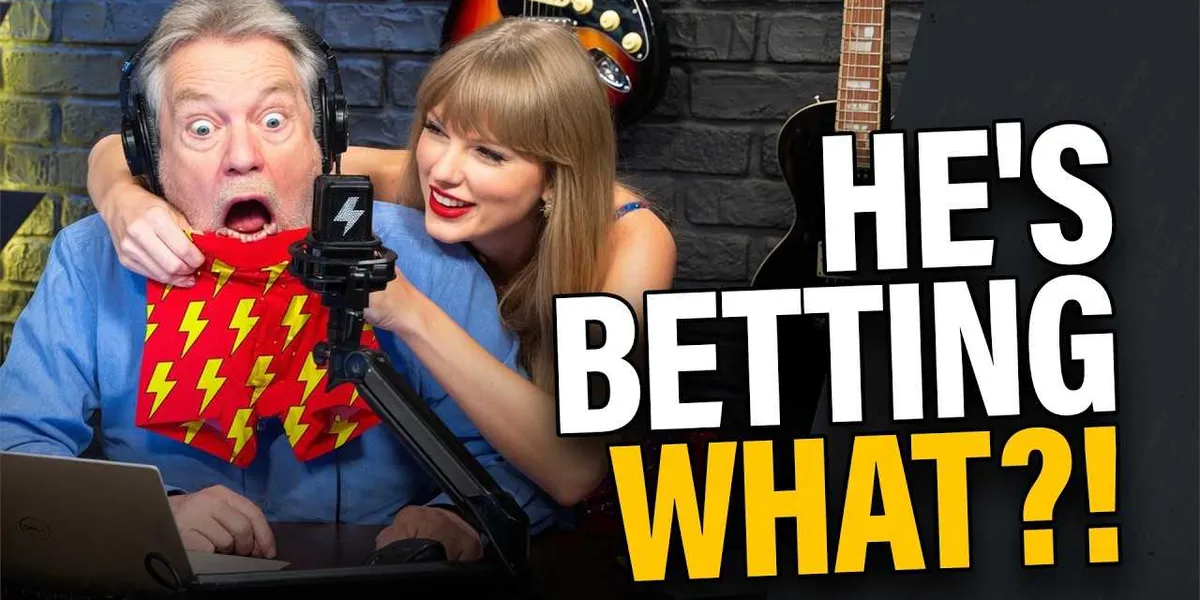
Gray didn’t stop with a dismissal; he doubled down in a memorable way that sent the conversation sideways: “If they get married at Madison Square Garden, I will eat my underwear because that is not going to happen. It’s not happening. They’re not going to do it,” Gray continues. The outlandish promise became the running joke of the segment, traded for laughs but also to underline how unlikely the hosts found the whole premise. Publicity stunts aside, a vow exchange in a packed New York arena would invite an unprecedented parade of logistics, press and fan attention.
Part of the pushback focused on the venue itself. “The last thing she wants to do is get married in a dump like MSG,” he adds. That blunt line reflects a particular taste and imagination about what a wedding should feel like, and it also speaks to how different people view iconic but gritty urban venues. Voices on the panel offered a mix of affection and critique for MSG, capturing that split opinion about historic spaces that carry both charm and chaos.
Even a critic could appreciate the place for what it is. While Jeff Fisher agrees that “the Garden is a dump,” he points out that he still “loves the Garden” as it’s “New York.” That back-and-forth captures the way people often feel about landmark venues: you can poke fun at the imperfections while loving the cultural weight the site carries. For some events, the arena’s energy is perfect; for others, like a wedding, it may feel off-key.
Gray made the practical point clear: “It’s great for basketball,” Gray comments. “It’s not appropriate for weddings.” The hosts were not just trashing an idea for laughs; they were weighing appropriateness and intent. A ceremony is intimate in many expected ways, and staging that in a place meant for concerts and sports would change the experience for the couple and anyone trying to keep a moment private.
The episode left listeners with a vivid picture of how celebrity rumors grow, and how quick skepticism can cut through speculation. “So Pat Gray is on the record,” Malinak confirms. “He will eat his underwear if Travis Kelce and Taylor Swift get married in Madison Square Garden.” The wager sealed the segment as much theater as commentary, and the debate moved on from whether the rumor was true to whether it could ever be practical or tasteful.
The wider lesson is simple: celebrity headlines often mix possibility with performance, and a healthy dose of common sense plus a few sharp jokes can be the best antidote to runaway gossip. When rumors meet logistics and reputation, the tall tales usually fall apart before the vows do, leaving more talk than truth behind them.
