
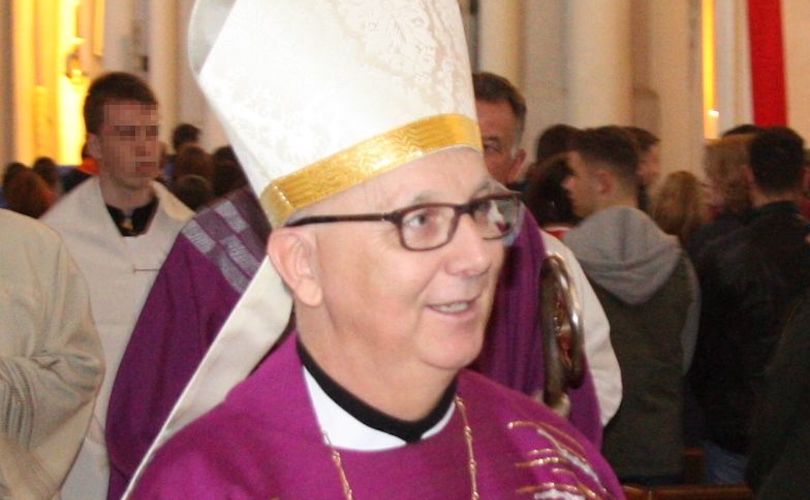
Swiss bishop Marian Eleganti has publicly pointed at what he calls the “elephant in the room” in the wake of clerical abuse scandals, arguing that the pattern of male victims in Church studies raises urgent questions about sexual culture inside the clergy. This article looks at his comments, the studies he cites, and why the debate over sexuality and priestly life has become unavoidable.
Bishop Eleganti’s intervention is blunt and unflinching, and that tone matters because the subject has been skirted for too long. His focus is not merely on individual crimes but on systemic patterns, and he urges the Church to face the hard facts rather than minimize or deflect them. When a respected churchman names a widespread problem, it forces clearer attention from clergy and laity alike.
The studies Eleganti references report a disproportionate number of male victims in clerical abuse cases, and that statistic changes the conversation. It pushes the discussion beyond generic warnings about misconduct into specific questions about sexual identity, formation, and community life within seminaries and parishes. Those figures demand careful, evidence-based responses rather than slogans or instant moralizing.
Addressing such patterns means confronting sensitive issues about celibacy, fraternity, and human formation in the priesthood without reducing the problem to a single cause. Eleganti points out that the Church needs honest diagnostics before it can prescribe real cures, and he calls for renewed attention to how seminaries train men for a lifelong commitment. The goal he frames is not punishment but prevention through better formation and oversight.
Critics worry that raising sexuality as a central factor risks stigmatizing gay clergy or confusing abuse with orientation, and those concerns deserve careful handling. Eleganti, however, insists that acknowledging a trend is not the same as condemning identities; his aim is to probe culture and structures that allowed abuse to persist. That distinction matters when the stakes are survivors’ healing and the integrity of Church ministry.
Practical measures Eleganti hints at include stricter screening, clearer accountability lines, and transparent reporting systems that protect the vulnerable while respecting due process. He also emphasizes the need for ongoing psychological and spiritual formation that helps priests live their commitments authentically in community. These are not quick fixes, but they could reduce risk factors if implemented honestly and consistently.
Public reactions to his comments have been mixed, with some applauding his candor and others warning about potential backlash or misinterpretation. Still, the central point he raises keeps resurfacing: without confronting uncomfortable realities, patterns of harm are likely to continue. A Church that seeks credibility must be willing to look hard at its internal life and accept reforms from within.
Eleganti’s voice has rekindled debate about how to balance pastoral care, doctrinal fidelity, and institutional reform in the face of grave scandals. Whatever one thinks of his wording, the underlying claim—that a particular sexual dynamic within parts of the clergy needs scrutiny—cannot be dismissed out of hand. The challenge now is for leaders and communities to translate recognition into concrete steps that protect the vulnerable and renew trust in ministry.
