
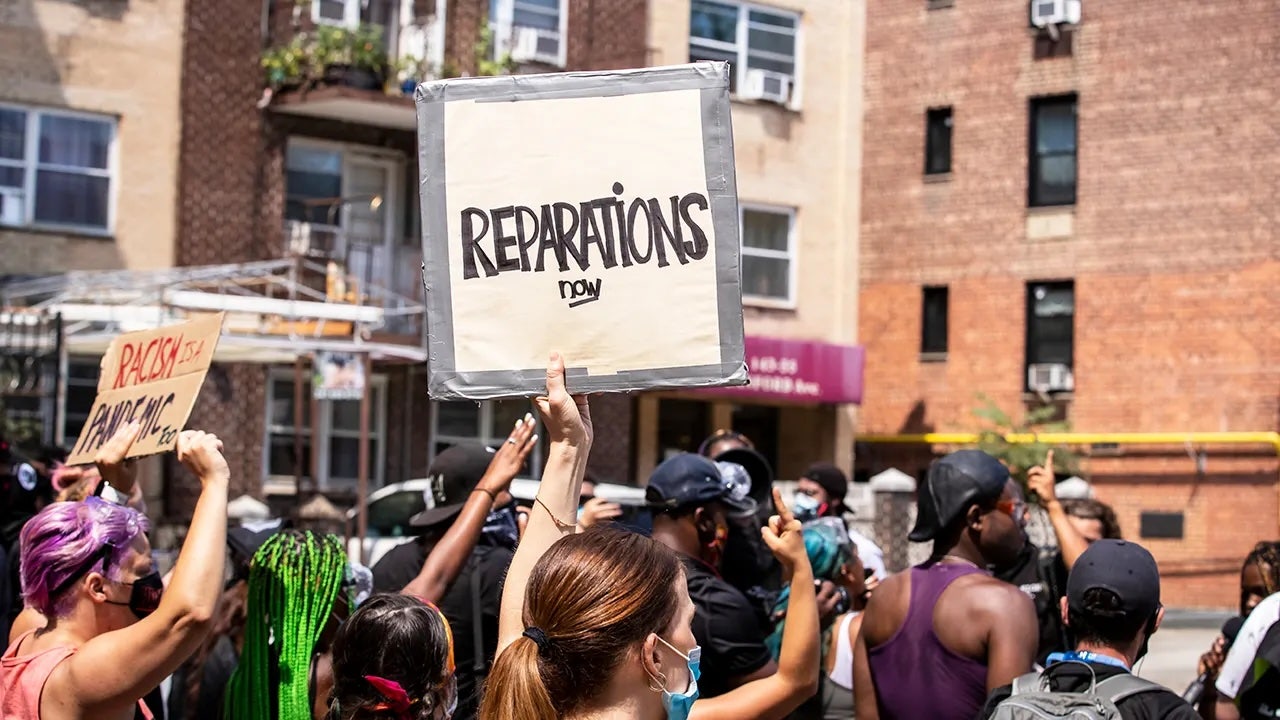
Reparations in America aren’t coming as a single bill, they’re already woven into everyday policy. Left-leaning lawmakers and institutions have been reshaping who gets money, contracts, and opportunities, often on the basis of race. This piece points out where that shift shows up and why it matters.
Listen to James Carville’s line, “Don’t run on it. Don’t talk about it. Just do it.” That sums up a stealth approach: push through policies that redistribute resources by race without a frank public debate. It’s a strategy that turns quiet policy tweaks into long-term economic change.
Look at state marijuana programs that set aside loans, grants, and training for specific racial groups labeled as “equity” applicants. What started as corrective policy for past injustices often looks like race-based favoritism in practice, funneling public cash to selected groups. The result is a government-managed tilt in commerce, not market-driven opportunity.
These programs are not small. They send millions of taxpayer dollars toward businesses like dispensaries, daycare centers, and home health services, but only if applicants meet racial or demographic criteria. In several states that experimented with these rules, fraud and favoritism have followed, proving how vulnerable these policies are to abuse. That undermines public trust and hurts the people they claim to help.
Diversity, Equity, and Inclusion mandates are another form of redistribution dressed up as culture work. When governments or large employers require paid trainings and certifications with preferred vendors, taxpayer and corporate dollars flow to a narrow industry. The trainings generate revenue for consultants and nonprofit operators, yet they rarely change economic outcomes for the broader minority community.
Commissions and academic studies on reparations deserve note too, because research budgets and policy shops are themselves revenue streams. Endless reports that conclude more money is needed, for more studies or programs, create a funding treadmill. Those who run these initiatives often become gatekeepers and beneficiaries, rather than builders of broad, lasting prosperity.
On the local level, some elected officials conceptually thinly veil raw redistribution with technocratic language about tax fairness. As one mayoral candidate said about taxing “wealthier and whiter” neighborhoods, “That is just a description of what we see right now. It’s not driven by race. It’s more of an assessment of what neighborhoods are being under-taxed versus over-taxed.” Say it plainly and it reads like race-based wealth transfer, even when dressed in fiscal jargon.
The practical winners of this era are a small class of activists, consultants, and political operators who organize, consult, and get paid for running programs. They become major donors and organizers for one party, which helps lock in policies that keep the cash flowing. That creates a self-reinforcing machine: policies create beneficiaries, beneficiaries fund politics, politics preserves policies.
Federal attention can matter, and there are officials willing to challenge race-based state and local programs. Legal scrutiny and enforcement could stop the most blatant forms of preference and fraud, and in some cases that work has already begun. If the government is going to be in the business of allocating economic advantage, we should insist on universal, race-neutral policies that expand opportunity rather than pick winners.
None of this is speculative. These trends are already embedded in budgets, procurement rules, and corporate compliance programs across the country. If policymakers care about fairness and real prosperity, they must rethink a system that treats people differently based on race and that creates concentrated private benefit out of public dollars. The quiet work of remaking who gets what deserves an honest public conversation before it becomes simply the new normal.

1 Comment
DEI is Evil just like the Demoncrap Party that is pushing it to the hilt to gain public support from all the Do Nothing Want Their Free-Stuff Complainers running around all over the place in America!
The Criminal Treasonous Demoncrap Party do anything that will give them more time to consolidate power and Take Over America to make the Citizens Slaves!
All the fools are buying into the LIE that this Government Appendage wants to help the people! Bull-Shit!