
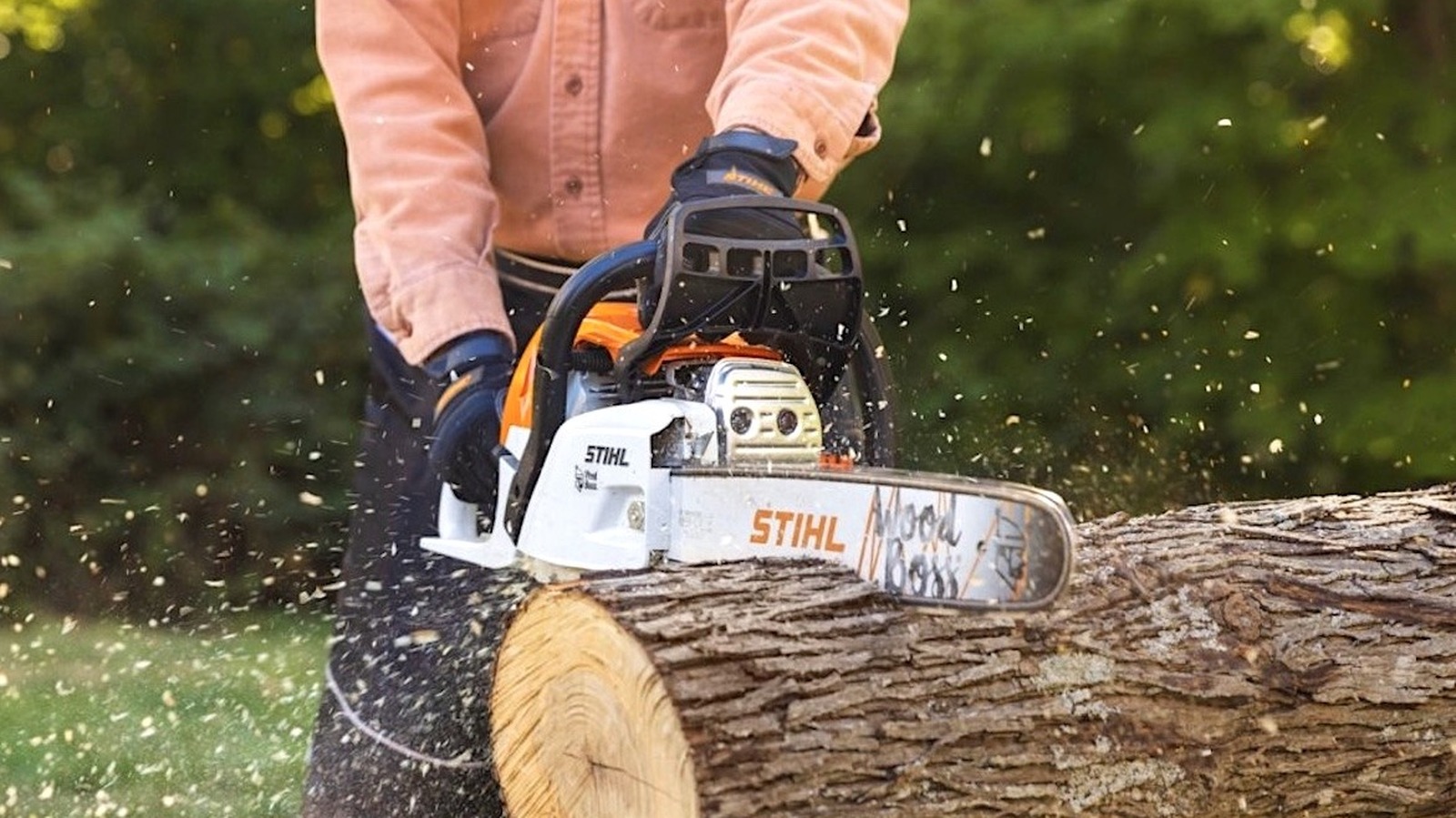
Keeping your chainsaw ready for work starts with the air filter, and this piece walks you through what the air filter does, how to spot trouble, safe cleaning techniques, and when to swap it out so the saw runs clean and predictable.
Your chainsaw’s air filter is one of the simplest parts but also one of the most important. It keeps dust, sawdust, and grit out of the carburetor and engine, which directly affects power and life expectancy. Ignore it and performance will drop, repairs will rise, and frustrating stalls will become routine.
There are clear signs a filter is struggling: the saw sputters under load, idles rough, or needs richer fuel mixtures to run. You might also notice heavy black smoke, a fouled spark plug, or much worse fuel consumption than usual. Those are not minor annoyances; they are early warnings that abrasive particles are making it where they shouldn’t.
Cleaning a foam or paper filter is straightforward but needs care. For foam, squeeze out dirt with a mild degreaser and rinse, then let it dry completely before applying a little two-stroke oil; for paper elements, gently tap to remove loose debris or blow out compressed air from the clean side. Never use harsh solvents on a paper filter and avoid forcing debris deeper into the media when you clean.
Not all filters are made equal, and replacement is part of sensible maintenance. Foam filters are washable and forgiving, while paper filters trap finer particles but deteriorate faster when wet. Replace a paper element as soon as it shows signs of clogging or damage, and keep spare filters in your kit so you can swap one in the field rather than limp through a job.
How often you service the filter depends on environment and use. In dusty or sap-heavy conditions, check and clean the filter before each work session; in cleaner settings, a weekly inspection may be enough for a regular homeowner. Pay attention to fuel and oil quality too, because bad fuel contributes to deposits that choke the filter and the carburetor.
Maintenance habits matter more than exotic tricks. Inspect the airbox for chips and gasket seating, make sure the filter cover seals tight, and keep vents free of built-up residue so airflow is predictable. A simple pre-job checklist that includes a quick filter check will spare you time and keep the saw delivering steady performance when you need it.
