
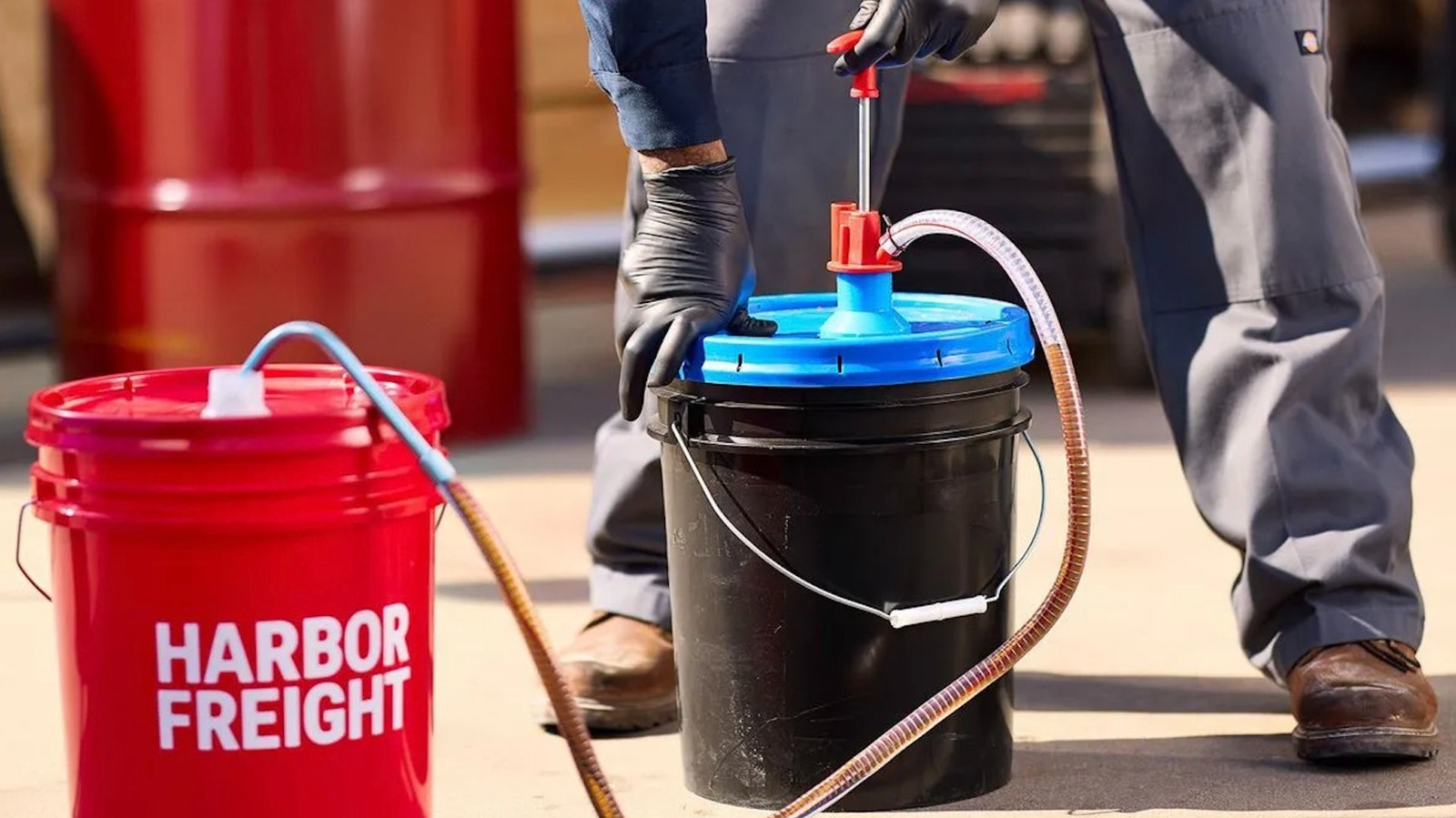
Looking for the right fuel transfer pump at Harbor Freight means weighing ratings, pump style, what fuels it’ll handle, and how much you’re willing to spend. This piece walks through those four essentials so you can pick a pump that actually works for your needs without wasting time or money. Read on and you’ll come away with a clear sense of tradeoffs so the next purchase feels smart instead of risky.
Harbor Freight carries a surprising range of fuel transfer pumps, from simple hand siphons to 12-volt electric units that promise quick transfers. The shelf reads like a catalog for getting fuel from point A to point B, but labels and price tags don’t tell the whole story. What matters is how each unit behaves under real conditions, and that’s where ratings and user feedback come in.
Ratings give a practical snapshot of performance, but you have to read them strategically. Look for consistency: dozens of middling reviews that highlight the same issue are more telling than a single glowing five-star write-up. Also pay attention to reported lifespan and failure modes so you know whether problems happen right away or after months of use.
Different pump types serve different jobs, so matching the pump to the task is key. Manual hand pumps are cheap and reliable for occasional topping off, while electric pumps save time for frequent or large-volume transfers. Inside the electric category you’ll find differing mechanisms and flow rates, and those technical differences translate directly into durability and noise levels.
Fuel compatibility is non-negotiable, especially if you plan to move gasoline, diesel, kerosene, or mixed fuels. Some pumps use materials that swell or degrade when exposed to ethanol-blended gasoline, and a cheap seal or hose can fail fast. Always check the product specs for explicit fuel compatibility before assuming anything, because mixing fuel types with the wrong pump will cost you more than the unit’s sticker price.
Price is tempting when Harbor Freight runs a sale, but low cost can mean more frequent replacements and hidden hassles. Consider total cost of ownership: a slightly pricier pump that lasts three times longer and has replaceable parts will often be the better value. Also factor in accessories like hoses and clamps that you might have to buy separately and that affect usability.
Build quality and materials matter more than flashy features. Aluminum or steel fittings, thicker hoses, and industry-standard clamps make a difference when you’re dealing with corrosive fuels and outdoor storage. Plastic-bodied pumps can be fine for light chores, but take extra care to vet the materials and whether replacement parts are available.
Power source and installation are practical concerns that determine how you’ll actually use the pump. Battery-powered 12-volt options plug into vehicle outlets and are portable, but they require proper mounting and sometimes extra wiring. If you need station-style reliability, an AC-powered unit or a professionally installed system will beat a jerry-rigged setup every time.
Maintenance and parts availability are often overlooked until something breaks. Look for pumps with serviceable sections and standard fittings so you can replace a hose or seal without swapping the whole unit. Harbor Freight’s warranty policies and return processes also matter here, because even the best pump can fail and you’ll want a clear path to fix or replace it.
Buy with use case in mind: occasional backyard refuels, emergency siphoning, or heavy daily transfers each demand different features. If portability is the priority, prioritize weight and a compact footprint; for fuel depot work, focus on flow rate and continuous duty ratings. Avoid impulse buys—measure the tanks and mounting space first so you’re not stuck forcing a mismatch into service.
Safety should guide every choice but doesn’t need to be a buzzkill. Fire-resistant hoses, secure clamps, and spark-proof housings are real features that keep you and your property safe. Equally important is having decent shutoff controls and clear instructions so mistakes don’t turn into disasters.
When you leave the store, take home a list of what you need and why you picked it: flow rate, fuel compatibility, power source, and a realistic budget that includes spare parts. That checklist keeps future purchases honest and helps you avoid replacing the same cheap pump multiple times. Make the decision based on how you work, not how a sale tag makes you feel.
