
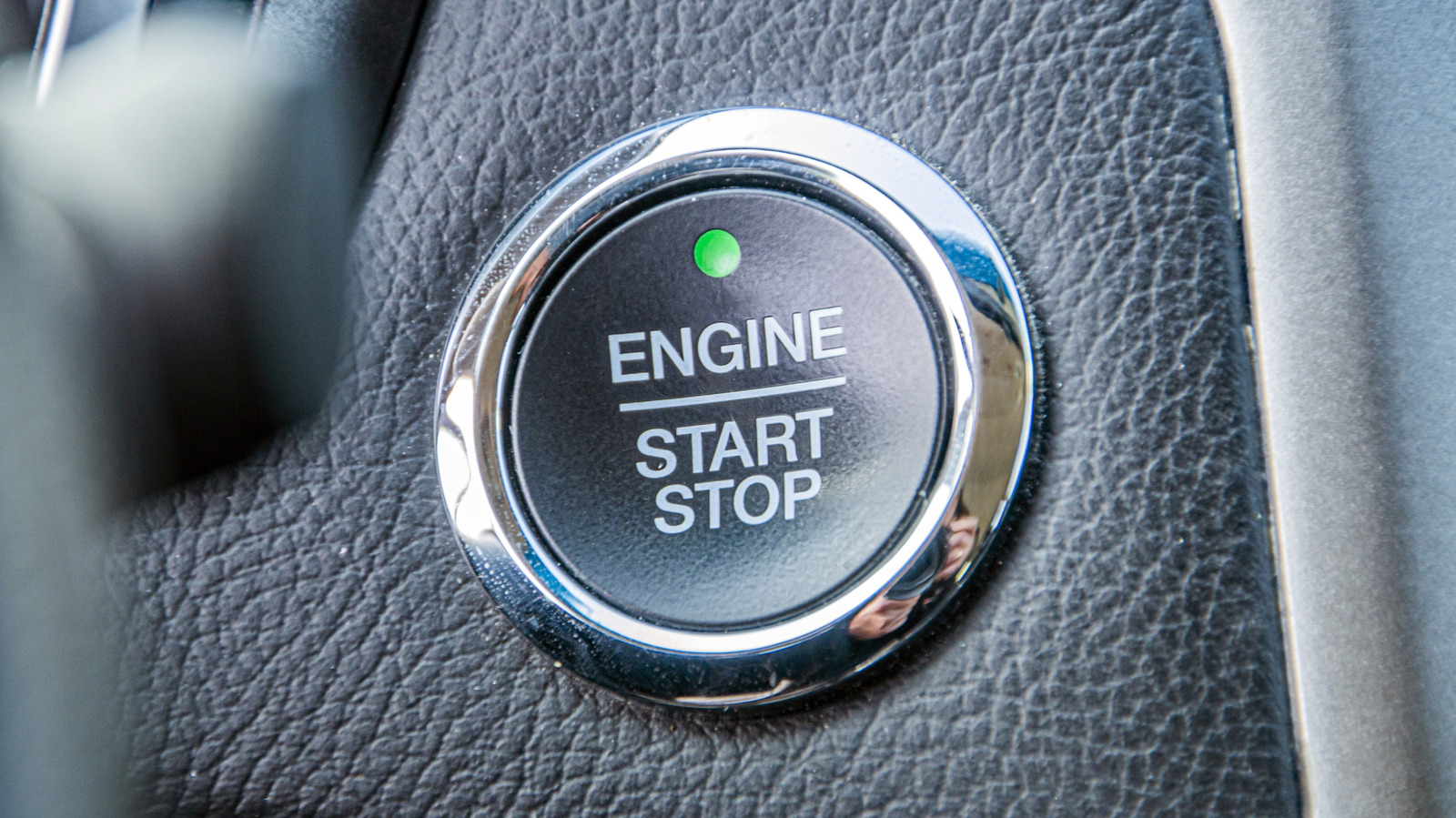
Curious about what happens if you press a car’s power button while driving? This piece walks through how modern vehicles react, why automakers design different behaviors, and what you should know to stay safe if the button gets hit by accident. You’ll learn the difference between a tap and a long press, how electric and gas-powered cars handle the command, and what steps to take if a system misbehaves.
Most modern cars treat the power button as a controlled interface, not a free-for-all kill switch. Short presses usually toggle accessories or shift modes without cutting propulsion, because manufacturers know drivers can be distracted and need predictable responses. Long presses are the safety valve: they’ll shut the vehicle down in emergencies, but only after a deliberate hold so you can’t inadvertently stop on the highway.
Automakers don’t agree on one universal behavior, so the result depends on design choices and regulatory requirements. European and North American rules and liability concerns push makers toward systems that favor continued control and braking assist even if the engine cuts out. That means in many cars the engine may quit but power steering and brakes retain enough assistance to steer and stop safely for a short window, especially in hybrids and EVs with electrical systems that can still supply those functions.
Electric vehicles behave differently from traditional internal combustion cars because their high-voltage systems and software architecture allow more nuanced control. An EV’s “power off” command often reduces the driving torque while keeping systems like regenerative braking and power steering active through the battery, giving the driver time to bring the car to a safe stop. Some EVs will refuse to fully power down while moving unless the button is held for several seconds, which prevents accidental shutdowns but can surprise drivers who expect a gas-car response.
Short presses are typically safe and largely cosmetic when the vehicle is in motion, but long presses are the automatic emergency route. Holding the button for the manufacturer-specified duration will usually cut the engine or disable the motor; do that only if there’s no other option. If the drivetrain does stop, maintain calm, signal, and guide the vehicle to the shoulder using the remaining steering and braking assist; sudden panics cause worse outcomes than a controlled slowdown.
Software glitches and aftermarket modifications complicate the picture and are the main reasons to keep away from experimenting while driving. Tinkering with the electrical system or installing non-approved remotes can change how the power button behaves and push liability onto the owner. If you notice inconsistent responses from the power button or other controls, have a qualified technician inspect the vehicle rather than testing fixes behind the wheel.
If you ever face an unintended shutdown, practical moves beat guessing. Shift to neutral if the engine dies and you need to re-engage systems, steer using both hands, use hazard lights to warn others, and carefully exit traffic once speed allows; call roadside service if assistance is required. Don’t try to restart complex hybrids or EV systems while barreling down a busy lane; controlled deceleration and getting to a safe spot first is the smart, pragmatic choice that reduces risk for everyone on the road.
