
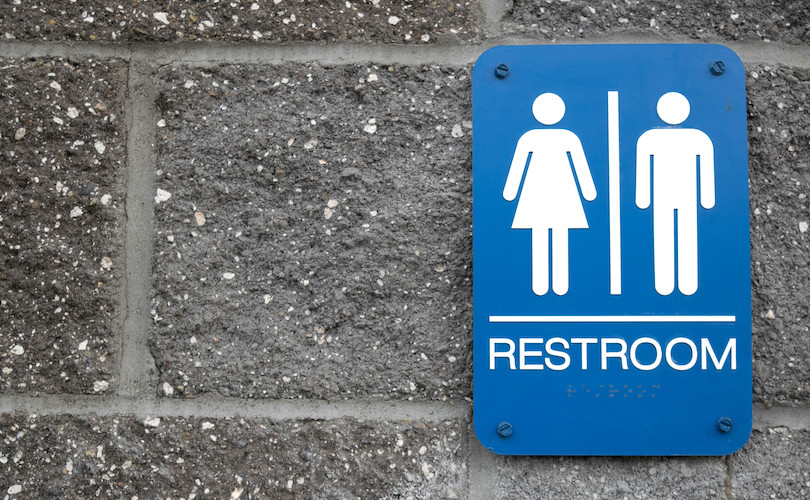
Wesley Han, a 30-year-old actor who identifies as ‘non-binary’ and uses ‘they/them’ pronouns, prefers to use the women’s bathroom when wearing “traditionally feminine attire.” This piece looks at that personal choice, how clothing and identity intersect, and what practical and social questions follow without taking sides.
Wesley Han’s description of their identity is short and direct: a 30-year-old actor who identifies as ‘non-binary’ and uses ‘they/them’ pronouns. That phrasing signals a personal stance on gender that separates identity from biological sex, and it anchors the rest of the conversation around individual choice. For Han, clothing choices matter; they shape daily routines and social interactions in ways that are immediate and visible.
The detail that Han prefers the women’s bathroom when wearing “traditionally feminine attire” brings the everyday into focus. Bathrooms are small stages for social norms and expectations; what someone wears often determines where they feel comfortable going. For many people, these decisions are pragmatic and tied to safety, privacy, and a sense of being seen correctly by others.
Gender expression and pronouns are related but distinct concepts, and Han’s use of ‘they/them’ highlights that difference. Pronouns offer a way for others to respect identity in speech, while clothing and presentation communicate identity visually. In crowded public spaces, people read visual cues quickly, and those cues can govern whether someone feels accepted or challenged in a restroom setting.
Practical considerations often drive choices like Han’s, such as avoiding confrontation or ensuring a calmer experience during a quick trip out. Public bathrooms can be fraught for people whose presentation doesn’t match other patrons’ expectations. For someone who is ‘non-binary’ and blends or switches between styles, those small decisions become repeated, routine tests of a social compact that assumes clear categories.
Conversations about restrooms, identity, and clothing are larger than any single person, but lived examples like Han’s make the debate concrete. They show how gender-neutral design and clearer etiquette might ease friction. At the same time, real people still navigate existing norms day to day, relying on judgment, awareness, and sometimes compromise to get through a moment without incident.
Respect for pronouns like ‘they/them’ is a minimal courtesy that reduces friction and affirms identity in speech, while the choice to use a particular restroom based on “traditionally feminine attire” is a personal safety and comfort decision. Those two elements—how people ask to be recognized and how they present themselves—interact in ways that affect routines, expectations, and the simple acts of living and working. Observing how individuals like Han handle these choices helps inform practical solutions and fosters a clearer, less tense public space for everyone.
