
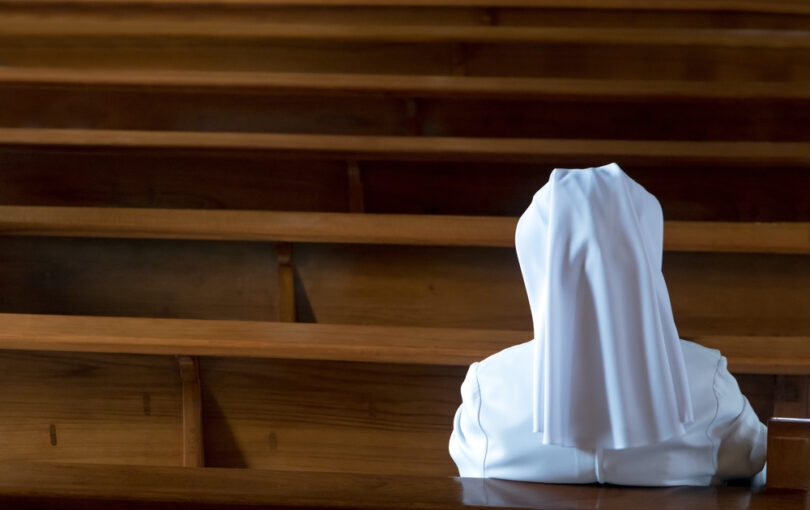
A Catholic sister in Jerusalem has become the focus of concern and compassion after an assault left her shaken but deeply rooted in faith. Community members, religious leaders, and neighbors have responded with offers of support while the nun herself has emphasized prayer and forgiveness in the face of violence.
The nun has been identified as Sister Marie-Reine in a statement from a friend, Leah Maryam. Friends say the identification came quickly after the incident, as colleagues and parishioners rallied to check on her condition and to share information about what happened. The statement added a human face to a story that could have otherwise been just another statistic in a city that already endures repeated tensions.
Reports from people on the scene describe shock and sorrow rather than anger, with many emphasizing the vulnerability of religious workers who serve the public every day. The assault, while traumatic, prompted an immediate outpouring of concern from neighbors, congregants, and visiting faithful who frequent the area. This response underlined how tightly knit local faith communities can be when one of their own is harmed.
Sister Marie-Reine’s reaction has been shaped by a lifetime of devotion, say those close to her, and she has chosen prayer over retribution. Those who know her point to long-standing traditions of forgiveness and intercession that guide many religious figures when they are confronted with suffering. Her focus on spiritual remedies reflects a commitment to pastoral care even as she heals physically and emotionally.
Church leaders and fellow clergy have been careful to balance calls for safety with a message of compassion, encouraging both solidarity and vigilance. They are urging parishioners to support the sister through visits, prayers, and practical help while also reminding civic authorities of the need to protect clergy and religious volunteers. The conversation has branched into concerns about security for vulnerable people who work in public-facing ministries.
Locals have organized informal support networks to make sure Sister Marie-Reine receives what she needs during recovery, from transport to appointments to simple companionship. Volunteers have coordinated schedules to keep someone with her in the days following the attack, and community kitchens have prepared meals as a way to show care. These acts of neighborliness have become a form of quiet resistance to the violence that affected her.
At the same time, many are urging a careful approach to the facts of the incident, asking for patience while more details are gathered and confirmed. Those close to the situation emphasize that rumors can inflame tensions and that reliable information serves both justice and peace. The goal for most has been clear: ensure the sister’s safety and dignity while preserving truth and calm.
For observers, the episode raises broader questions about protection for religious personnel and the everyday risks faced by people who serve others. Advocates are calling for practical steps to make public ministry safer, including improved lighting, better emergency response protocols, and stronger community watch efforts. The hope is to reduce the chance of similar incidents without turning communal spaces into places of fear.
Support for Sister Marie-Reine continues to come from many quarters, from casual acquaintances to longtime friends who share memories and prayers. The community’s attention now rests on her recovery and on measures to prevent future harm, with local groups staying involved and offering both emotional and logistical help. Those who have seen her courage up close say it has become a focal point for renewed commitment to care and cohesion in the neighborhood.
