
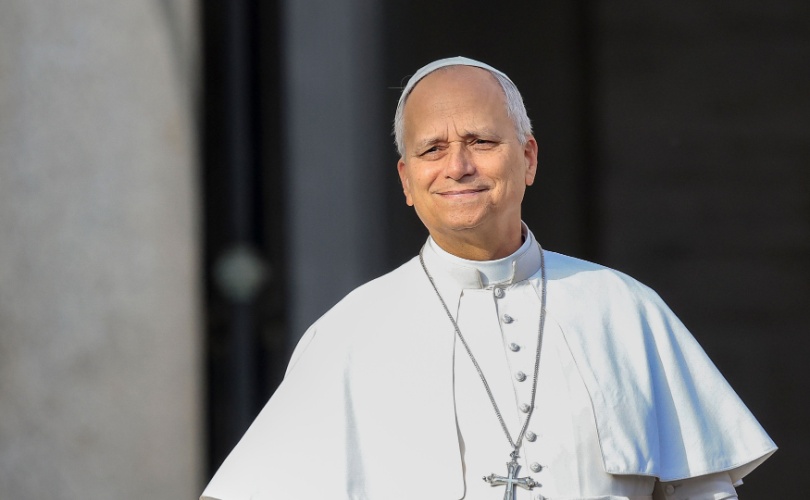
Elise Ann Allen, a journalist and biographer, says Pope Leo XIV is weighing a decision on the Traditional Latin Mass and is trying to find a way forward that strengthens unity rather than fuels division. This article looks at what that stance means for Catholics who care deeply about liturgy, how the issue has become a touchstone for broader tensions, and why the pope’s deliberation matters for parish life. The focus stays on the core claim: that the pontiff is seeking a unifying outcome for the Traditional Latin Mass question.
Elise Ann Allen’s observation places the Traditional Latin Mass at the center of a pastoral balancing act. For many Catholics the Latin Mass is not just a preference, it is a symbol of continuity, reverence, and identity. At the same time, the broader Church worries about fragmentation when liturgical choices become markers of factionalism rather than channels of worship.
Pope Leo XIV’s reported aim to pursue a solution that promotes unity signals a pastoral priority. That suggests an approach oriented toward reconciliation and common ground rather than strict enforcement or blanket relaxation. When a pope frames a liturgical question in terms of unity, it invites options that keep communities together while respecting different spiritual sensibilities.
The Traditional Latin Mass issue has practical ripple effects for priests, bishops, and parish communities. Decisions around permissions, formation, and translation affect how people experience the sacraments and connect to the Church’s history. Any move that tries to bridge preferences will need to balance respect for tradition with pastoral clarity so that ordinary faithful can worship without confusion or scandal.
Responses from clergy and laity tend to fall into predictable patterns: relief when compromise appears possible, caution from those who fear loss of patrimony, and hope from those who long for a Church less divided by liturgical style. Where liturgy becomes a proxy for other disputes, the risk is that even well-intended decisions get read through partisan lenses. The pope’s emphasis on unity aims to shift the conversation back to shared faith and common worship practices.
A biographer’s perspective can offer useful context on a pontiff’s temperament and priorities, but it is not a policy statement. Journalists and scholars help translate tone and trajectory into public understanding, yet final measures emerge through formal documents and episcopal practice. Reading a pope’s inclination through the lens of biography helps explain motives without supplanting the actual policymaking process.
Any solution that genuinely promotes unity will need clear communication and pastoral accompaniment. That means bishops will likely be asked to guide implementation with sensitivity to local needs while keeping the universal good in view. Clergy formation, liturgical norms, and patient pastoral outreach will be necessary to prevent new disputes from sprouting where reconciliation is intended.
The wider lesson in this moment is the value of restraint and listening in Church leadership. If Pope Leo XIV is indeed focused on a unifying outcome for the Traditional Latin Mass, that preference points to a strategy that privileges reunion over triumph. For Catholics who care about continuity and communal worship, a carefully calibrated decision that honors devotion while seeking cohesion could ease tensions and redirect energy toward shared mission.
