
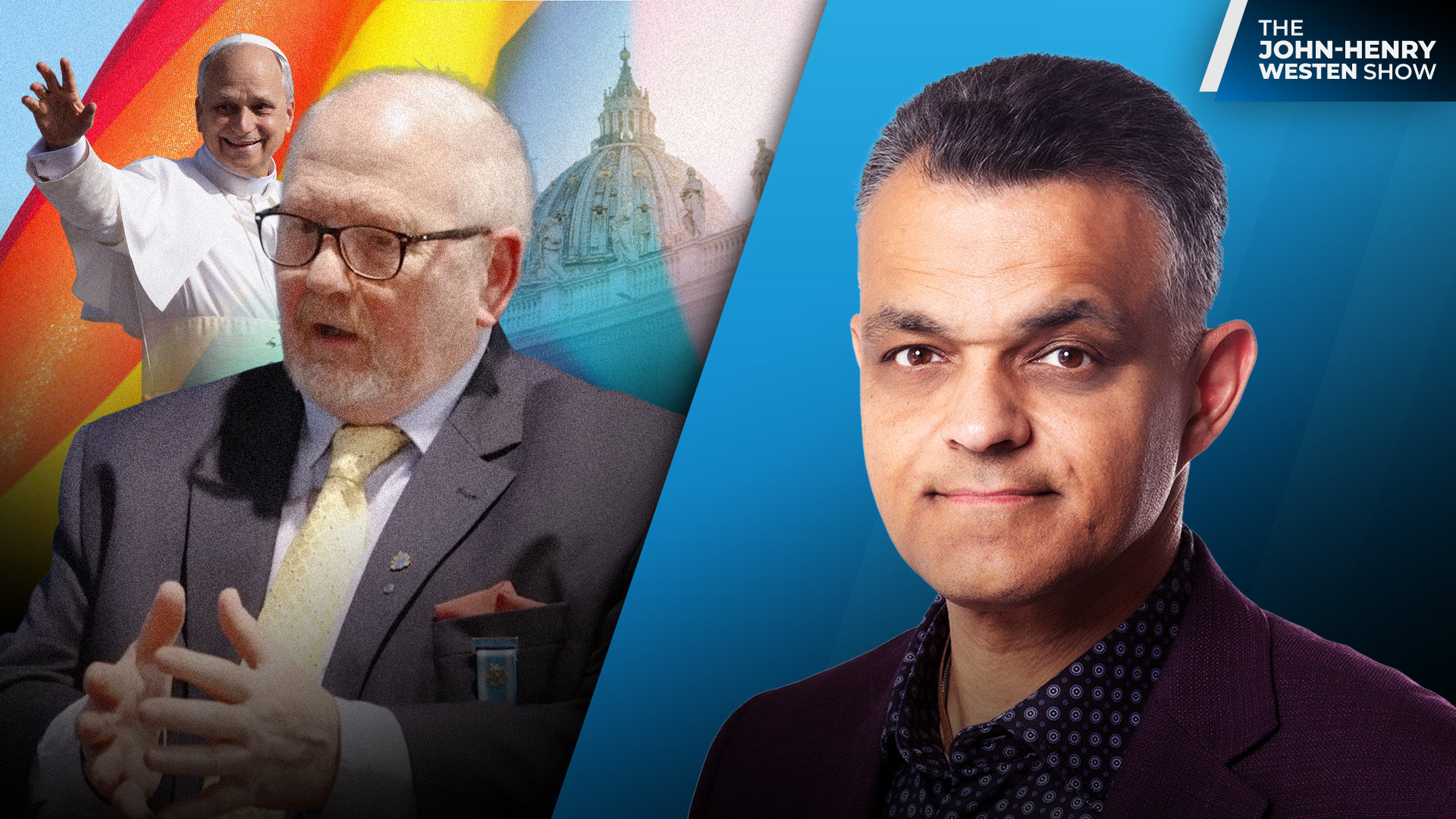
Professor William Thomas issues a blunt wake-up call for Catholics facing a clear crossroads: embrace a Synodal path he calls “diabolical” and shaped by Modernist errors, or return to the Church’s authentic Magisterium grounded in Scripture and Tradition; he urges a renewed commitment to personal holiness as the real remedy for the crisis of doctrine and confusion spreading across communities worldwide.
Thomas does not soften his language when he describes the current synodal movement, and that bluntness is part of what makes his argument hard to ignore. He frames the moment as more than disagreement over liturgy or governance; it is a clash between competing visions of what the Church should teach and defend. That stark framing forces faithful Catholics to consider consequences, not just preferences.
Having studied alongside Pope Leo XIV, Thomas brings a long view and personal context to his warnings, which gives his critique a particular weight for some listeners. He ties contemporary shifts back to philosophical and theological currents labeled Modernism, arguing those currents erode the foundations of doctrine. The claim is that when principle yields to trend, the practical effect is confusion in parish life and insecurity among the faithful.
The alternative he proposes is straightforward: recommit to the Magisterium as the living teaching authority of the Church and let Scripture and Tradition steer formation and pastoral practice. That is not a call for sterile repetition but a plea for rooted clarity—teaching that forms consciences and strengthens resolve. For Thomas the point is simple: doctrine matters because souls matter.
Personal holiness stands at the center of his prescription, not factionalism or political maneuvering. He insists that reform begins in individual lives—prayer, sacramental life, and fidelity to moral teaching—not in programs that reinvent doctrine to fit modern tastes. That insistence pushes the conversation away from institutional chess pieces and back to ordinary Christian practice.
Thomas also highlights the global dimension of the crisis, noting that doctrinal uncertainty does not respect borders and can reshape communities far from Rome. Pastors and laity alike feel the ripple effects when settled teaching is questioned or reinterpreted without clarity. The result, he argues, is a generation of Catholics unsure what to hold as non-negotiable and what is merely optional.
He does not offer a laundry list of policies to be imposed from above, but he does demand clarity and courage from leaders at every level. Bishops, priests, teachers, and lay faithful all have roles to play in restoring confidence in established teaching. The remedy, in his view, requires public witness and private conversion working together.
Critics of Thomas might say his rhetoric is sharp and his labels harsh, but his basic appeal is recognizable: protect the integrity of the faith and form Christians who can stand firm in a changing world. Whether one agrees with every diagnosis, the central questions he raises about authority, continuity, and fidelity are vital for any serious conversation about the Church’s future. The energy of his intervention comes from urging a return to what he sees as the essentials that sustained the Church for centuries.
In the end, Thomas frames the crisis not as a single controversy but as a choice about identity and mission. He calls for courage and clarity, rooted in Scripture and Tradition, and animated by lives of holiness that witness convincingly to the truths being defended. That combination, he believes, is the path out of confusion and into a renewed Catholic witness.
