
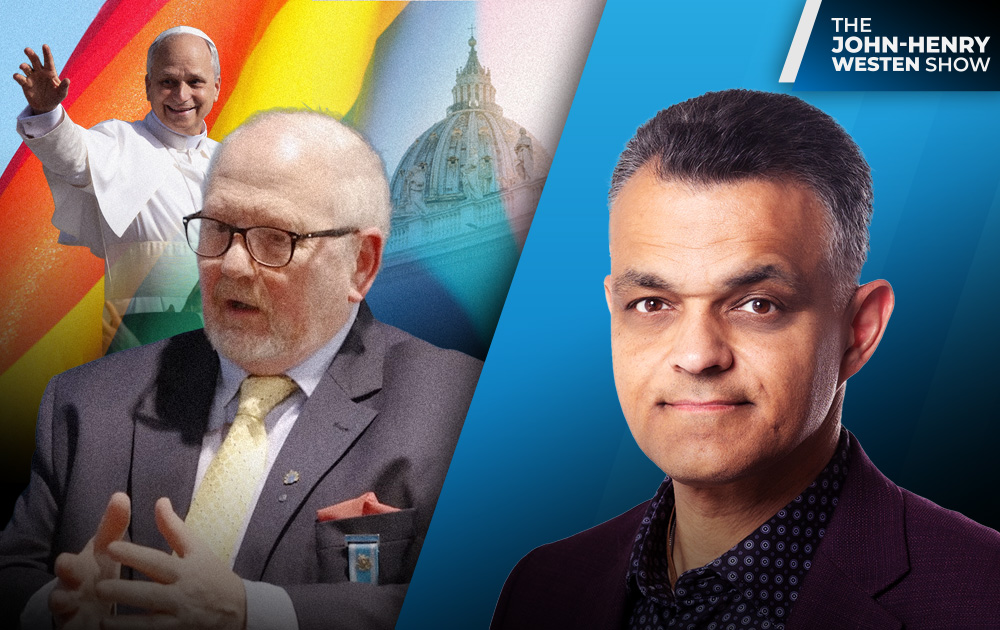
Professor William Thomas, who once sat in seminary classes alongside Pope Leo XIV, has raised serious concerns about the ongoing synodal project and what it might mean for Catholic life and governance. This piece looks at his perspective, the larger questions the synodal process raises, and why clarity on doctrine and authority matters to clergy and laypeople alike. The aim here is to present his warning and the context around it without sensationalism.
William Thomas is a veteran theologian and seminary professor with decades of teaching and pastoral experience. His connection to Pope Leo XIV comes from shared formation years, so his voice carries a particular weight among those who follow clerical conversations. That background makes his public unease about the synodal project notable to observers on both sides of the debate.
The synodal project is framed as a global effort to foster listening, collegiality, and reform in the Church’s structures and pastoral practice. Officially it emphasizes consultation across dioceses and encourages broader participation by bishops, clergy, religious, and laity. For many it represents an attempt to modernize governance and make decision making more responsive to local realities.
Thomas describes the current direction as troubling rather than merely experimental, saying the process risks creating confusion about core teachings and the nature of authority. He worries the emphasis on consensus could dilute settled doctrine or make moral clarity harder to maintain. His concern is not about change for the sake of change but about unintended consequences that could outlast any short term gains.
One of the heart issues raised is the balance between episcopal authority and popular consultation. Thomas warns that when consultation overshadows clear teaching, bishops may feel pressured to accommodate local majorities rather than uphold universal norms. That dynamic, he suggests, can erode trust in ecclesial leadership and leave priests uncertain about how to guide their communities.
Another thread in Thomas’s critique relates to pastoral stability. He points to parish priests and catechists who need steady guidance to form consciences and prepare people for sacramental life. Rapid shifts in emphasis and language can unsettle those efforts, and pastoral confusion tends to fall hardest on the faithful who rely on consistent instruction to live out their faith.
Historically, synodal gatherings have produced both renewal and tension, with outcomes shaped by clear theological framing and careful implementation. Thomas urges the current process to learn from those mixed results and to ensure theological rigor is not exchanged for managerial flexibility. He believes smart reform should be both courageous and anchored in doctrine.
Reactions to concerns like his split along predictable lines. Supporters of the synodal project say broader listening enriches the Church’s pastoral response and can correct real blind spots. Critics counter that good intentions cannot replace careful teaching and that major reforms demand sober theological debate rather than purely procedural fixes.
Thomas calls for two practical responses: first, renewed emphasis on sound catechesis so people know the foundations they are meant to defend and live; second, transparent processes that respect doctrinal continuity while addressing real pastoral needs. He argues that clarity, not vagueness, will foster genuine participation and healthier unity.
The conversation he has stirred is a reminder that institutional change always carries moral and spiritual stakes. Prayerful attention, disciplined theological study, and honest conversation between bishops, priests, and laity will shape whether the synodal project heals or harms. Those who care about the future of Church teaching and pastoral life will watch the process closely and press for the kind of clarity Thomas insists is essential.
