
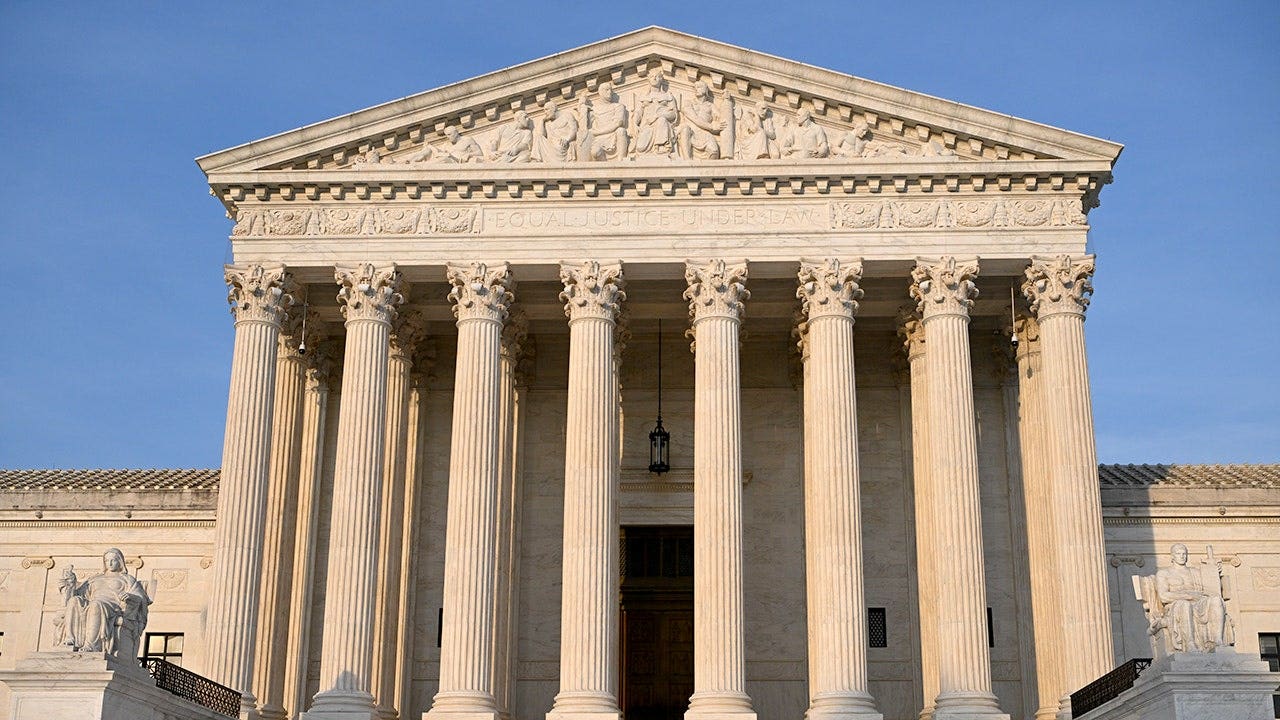
The Supreme Court is set to look at a case that cuts straight to a basic American question: can a city make people jump through zoning hoops before they can defend their right to pray at home? The answer should be no, because the Constitution does not turn faith into a government-approved privilege. At the center of the dispute is whether a plain threat from city officials is enough to let a citizen walk into court without first playing along with a permit process that already chilled the religious practice in the first place.
Daniel Grand, an Orthodox Jew in University Heights, Ohio, wanted to gather with neighbors for prayer in his home because his faith requires a minyan and his Sabbath observance makes travel difficult. He invited people over, then got hit with a cease-and-desist letter from the city after someone complained. The city told him he needed a special use permit to use his house as a place of religious assembly, even though neighbors could still host poker nights, game watch parties, and casual get-togethers without a scene.
That kind of double standard is exactly why the case matters. Grand canceled the prayer meeting, then tried to work through the city’s zoning maze, only to find the process hostile and weirdly political. One neighbor worried the area would be “be labeled as Jewish,” and Grand was left with a permit system that could reclassify his home as a “house of worship,” making it legal for prayer but no longer a residence where he could sleep.
So he walked away from the permit chase and sued instead, arguing that the First Amendment and federal religious liberty law protected him from this kind of pressure. The lower courts never reached the real issue because they said the case was not ripe yet. In their view, he had to keep pushing through the zoning process until the city made a final decision, even though the city had already sent a clear message: stop praying or face consequences.
That logic may fit some property disputes, but it does not fit a free exercise case. A takings claim often depends on how far a regulation reaches and what value it strips away, so the final step matters. But when the government threatens punishment for prayer, the injury happens immediately, because the point is not abstract paperwork, it is the chill that stops people from worshiping in the first place.
Once the city fired off that letter, Grand had already been cornered. He heard the threat, he canceled the prayer gathering, and the burden was on his faith, not on some far-off zoning theory. That is why a credible threat of enforcement should count as a real injury, and why forcing someone to keep begging the same officials for relief only deepens the harm.
If the lower-court ruling stands, cities get a dangerous roadmap. They could target houses of worship, home Bible studies, small religious meetings, or any unpopular gathering by forcing people into endless permit hearings and then hiding behind procedure when challenged. The result would be a patchwork country where your rights change depending on your zip code, which is no way to treat something as fundamental as prayer.
The bigger issue here is simple and old-school American freedom. People should not need government permission to gather quietly in their own homes and pray. If an official says a permit is required before faith can continue, the courthouse door should not be slammed shut until the paperwork game is over, because the Constitution already gave the answer.
That is why this case deserves a hard, plainspoken ruling. The city’s zoning rule is not just a technicality, and it is not a harmless delay tactic. It is pressure, plain and simple, and if the Supreme Court gets this right, it will remind local officials that they do not get to fence off religious liberty with a clipboard and a hearing date.

1 Comment
NO dont need this law