
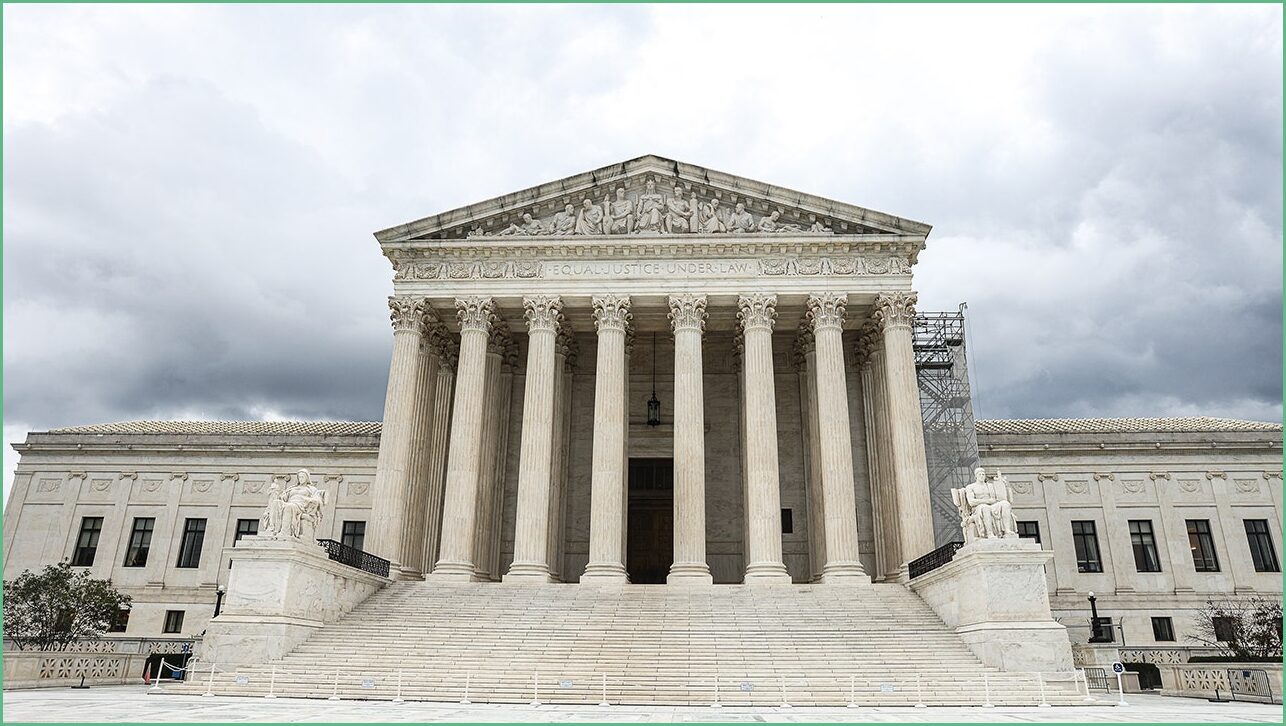
The Supreme Court has agreed to take up challenges to President Trump’s executive order on birthright citizenship, and this piece lays out the history, arguments and stakes in a plain, Republican voice. I trace how the 14th Amendment came to define citizenship, why some scholars argue for a narrower reading of “subject to the jurisdiction thereof,” and why conservatives both inside and outside the courtroom will press originalist principles. You will get the key cases, the Reconstruction context, and the core debates without legalese or unnecessary detours.
The 14th Amendment, ratified in 1868, reshaped citizenship in America with the line “all persons born or naturalized in the United States, and subject to the jurisdiction thereof, are citizens of the United States and of the state wherein they reside.” That sentence has carried enormous weight for generations and sits at the center of the dispute. Conservatives want judges to read that language as the people who wrote it intended, not as a modern gloss imposed by policy preferences.
Before the Civil War, the common rule was jus soli, the idea that place of birth determines citizenship, drawn from English practice. As William Blackstone put it, “the children of aliens, born here in England, are, generally speaking, natural-born subjects, and entitled to all the privileges of such.” The United States inherited that tradition and many state laws reflected it long before the 14th Amendment existed.
The Reconstruction era changed American constitutional law because it had to undo the Dred Scott nightmare, which denied citizenship to an entire class of people. The 14th Amendment was written to repudiate that result and to make sure federal and state governments could not exclude groups from citizenship on racial or political grounds. From a Republican perspective, Reconstruction expanded liberties while clarifying the constitutional baseline for who belongs in the political community.
Not everyone agrees on the modern meaning of “subject to the jurisdiction thereof,” and that disagreement is the hinge of the Supreme Court fight. Scholars such as Edward Erler and John Eastman argue the phrase excludes children born to aliens who owe allegiance to another nation, creating a citizenship exception. That argument is being pressed in court as a way to restore what proponents call a more restrained, territorial understanding of membership.
Opponents counter that reading as strained and impractical, noting that everyone on U.S. soil falls under American jurisdiction for law enforcement and basic rights. If “jurisdiction” were read out of existence for certain inhabitants, serious enforcement gaps would appear: people could act on American soil with impunity by claiming foreign allegiance. From a Republican legal perspective, arguments about jurisdiction should track the realities of governance and public order.
Historical statutes and debates matter here, and the 1866 Civil Rights Act set a useful starting point by granting birthright citizenship with limited exceptions, like those “subject to any foreign power” and “Indians not taxed.” That language shows lawmakers were capable of drafting narrow exclusions when they wanted to, which undercuts claims that “jurisdiction” must be read to exclude children of immigrants. Conservatives looking at text and history will point out that Congress used explicit exclusions elsewhere when it intended them.
Congressional debate at the time also illuminates original understanding. Some legislators openly asked whether children born to immigrants and other noncitizens would be covered, and advocates answered yes. Those floor exchanges provide contemporaneous signals about how the amendment was understood, and originalist judges often weigh this kind of evidence when parsing constitutional language.
The Supreme Court’s 1898 decision in United States v. Wong Kim Ark affirmed the broad birthright rule in blunt terms: “the Fourteenth Amendment affirms the ancient and fundamental rule of citizenship by birth within the territory, in the allegiance and protection of the country, including all children here born of resident aliens.” That precedent has anchored government practice and judicial interpretation for well over a century. Conservatives who champion stare decisis will not ignore that lineage, even while some push for a reevaluation.
President Trump’s team is entitled to press this issue before the nation’s highest court, and Republican jurists on the bench will weigh text, history and precedent. The core debate is whether modern policy concerns should reshape constitutional grammar or whether original meaning and long-standing judicial decisions should hold. Whatever the outcome, the fight will test how faithfully the Court adheres to originalist methods when questions of membership and sovereignty are on the line.
