
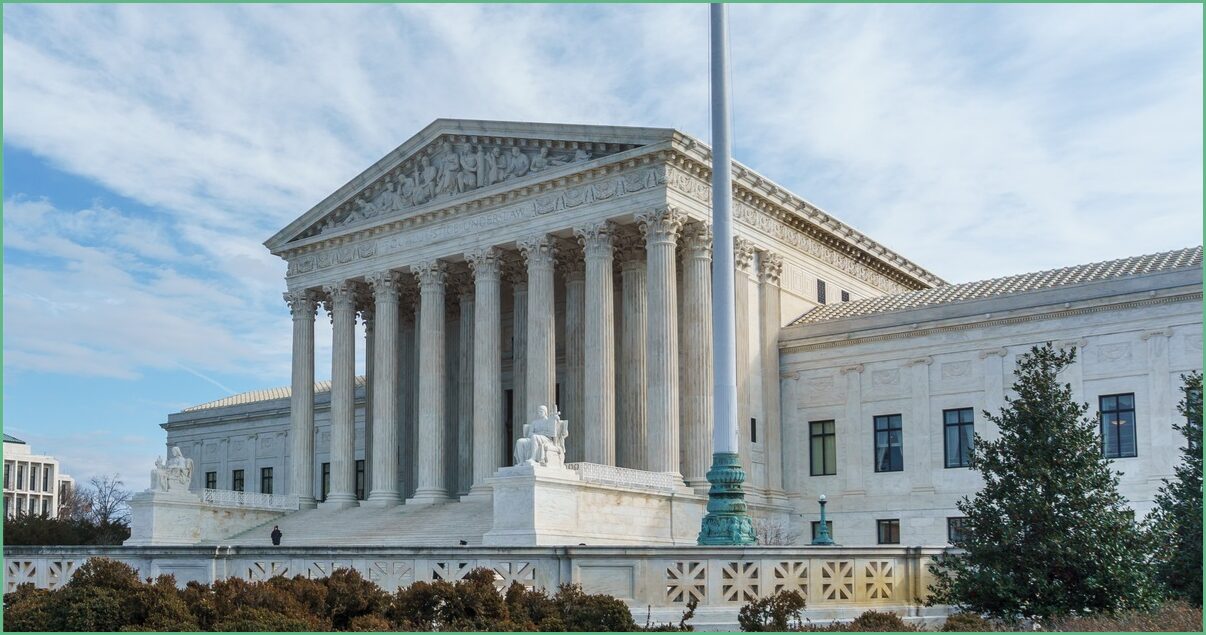
Supreme Court Clears Way for Ending TPS for Venezuelans
This is a victory for enforcing immigration law and putting American citizens first, plain and simple. The Supreme Court has given the Trump administration permission to move forward with ending Temporary Protected Status for Venezuelans, a move Republicans have pushed for. Expect arguments about legality and fairness to keep flying, but the high court’s order is the crucial next step.
Supreme Court overturns lower court’s ruling
The legal fight has focused on Temporary Protected Status, a humanitarian designation that was meant to be temporary. Critics on the right say past administrations turned TPS into a backdoor amnesty that rewarded illegal presence and drained resources meant for citizens. The Supreme Court stepped in after lower courts blocked the administration from ending TPS for Venezuelans and Haitians, signaling a return to deference for executive decisions on immigration policy.
U.S. Solicitor General D. John Sauer framed the issue as one of executive authority and consistent immigration enforcement. He argued that lower courts were second-guessing the executive branch on national immigration priorities and undermining the rule of law. His filing accused Judge Edward Chen’s decision of impeding “important immigration enforcement policies” designed to protect the nation and its citizens.
Judge Chen had ruled against the Department of Homeland Security’s attempt to terminate TPS protections, but the Supreme Court has now allowed the Trump administration to press forward. The unsigned majority explained that the posture of the litigation had shifted, but the underlying legal arguments and harms had not. The Court wrote, “Although the posture of the case has changed, the parties’ legal arguments and relative harms generally have not. The same result that we reached in May is appropriate here.”
That unsigned order essentially reinstates the high court’s earlier inclination to let the administration act on immigration policy. Conservatives see this as common sense: the executive branch should be able to enforce immigration laws and manage programs like TPS without indefinite court interference. It also sends a message that temporary protections cannot be extended indefinitely by administrative fiat.
Solicitor General Sauer also warned about an ugly legal precedent: lower courts picking and choosing which Supreme Court orders count. In his filing he wrote that “[l]ower courts cannot treat this Court’s orders as good for only one stage of only one case by gesturing at irrelevant distinctions, subjectively grading the persuasiveness of the Court’s perceived reasoning, or faulting the Court’s terseness.” That language frames the fight as one over institutional respect and predictable law.
On the other side, three liberal justices pushed back strongly. Justices Elena Kagan and Sonia Sotomayor registered opposition, and Justice Ketanji Brown Jackson authored a dissent. Their concerns revolve around humanitarian consequences and the lives of hundreds of thousands who built their lives under TPS.
Republicans counter that policy sympathy cannot override legal limits or the needs of U.S. citizens. The argument is simple: temporary relief should not become a permanent loophole, and immigration policy must favor citizens and the nation’s long-term interests. That perspective guided the administration’s push and is reflected in the Court’s willingness to allow enforcement to proceed.
ICE reaction and political fallout
Immigration and Customs Enforcement publicly celebrated the ruling and framed it as a win for law and the American people. The agency’s statement claimed, “President Trump is restoring America’s immigration system so that it actually benefits the U.S. citizen and today’s Supreme Court victory is a win for the American people and commonsense,” and tied the decision to a broader push to prioritize citizens’ safety and resources. The agency doubled down on the claim that TPS had been abused, saying, “Temporary Protected Status was always supposed to be just that: Temporary. Yet, previous administrations abused, exploited, and mangled TPS into a de facto amnesty program,” the statement alleged.
The official release went further to describe the scope and impact of the ruling, noting, “In a 6-3 ruling, the Supreme Court of the United States granted an emergency request by the Trump administration to end Temporary Protected Status (TPS) for over 300,000 Venezuelan aliens in the United States,” it observed. That line underscores the scale: hundreds of thousands of people are affected, and the policy debate will now move from preliminary injunctions to whatever comes next. For Republicans, this is a moment to argue for strict enforcement and to push back against what they call administrative overreach.
Some Democrats and immigrant-rights advocates have warned that rolling back TPS will create chaos for families and communities, and those warnings will likely frame the coming political fight. The administration will argue that the law allows it to set immigration priorities and that courts should not halt those choices absent clear legal error. That clash between legal authority and humanitarian concern is exactly what the Supreme Court’s order brings into sharp relief.
Politically, both sides will use the ruling to rally their bases: conservatives touting law and order, liberals highlighting human consequences. Republicans should expect to translate this legal victory into policy momentum and messaging around sovereignty and fairness for citizens. The court’s decision does not end the debate, but it hands the administration a powerful legal foothold.
Looking ahead, the practical effects will hinge on how DHS implements the end of TPS and how lower courts respond to subsequent filings and injunction requests. Expect more litigation, more headlines, and a heated public debate about the balance between enforcement and compassion. For now, the high court’s willingness to allow action marks a significant tilt toward restoring immigration policies that prioritize citizens and the rule of law.
n
n
