
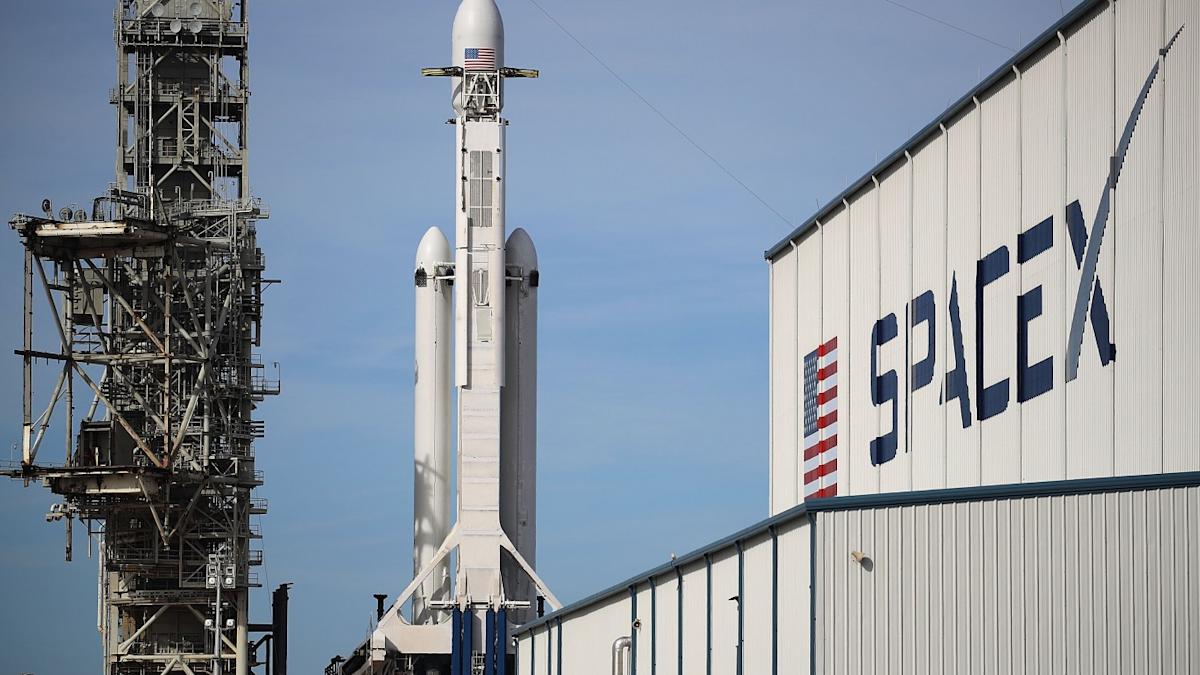
SpaceX’s planned IPO, potentially valued between $1.75 trillion and $2 trillion, could redraw the map of big tech and investor attention if it hits the public markets, so this piece looks at what that might mean for the market, for Tesla and other mega-cap names, and whether stepping in on day one makes sense.
Elon Musk’s companies have grown into more than a collection of startups; they’re an ecosystem that stretches from electric cars to rockets and artificial intelligence, and together SpaceX and xAI could create a business unlike anything on public markets today. The combination promises reusable rockets, a global satellite internet network, and AI tools designed to run alongside or even inside that infrastructure, which gives the venture a unique commercial angle. Investors who only think of Musk as the Tesla founder risk missing how different these assets are and how they might trade once public. This IPO could be the biggest ever, and that alone will attract extraordinary attention.
A mega-IPO of this scale would not be a small ripple; it could shift capital flows across the S&P 500 and Nasdaq and drain some interest away from the current top names. Tech giants that have dominated index weightings might shed short-term demand as funds and private wealth chase a new, headline-grabbing listing. The market is top-heavy now, and a $2 trillion newcomer would force index rebalances and attention rotations that matter for every investor’s portfolio. That dynamic is one reason even passive investors should pay attention to the timing and initial pricing of the deal.
SpaceX’s competitive advantages are plain to investors who study the business rather than the mythology. Reusable rockets cut launch costs and time between flights, Starlink has a global footprint few can match, and the idea of moving AI workloads into space-based or satellite-linked data centers is a literal infrastructure play. Those assets create high barriers to entry and recurring revenue opportunities that most tech firms can only dream about. If SpaceX charges other firms for bandwidth, compute, or launch services, it could act as a supplier to the very giants that now dominate every index.
xAI’s Grok and the broader AI ambitions add another revenue vector but also a capital intensity question, since AI infrastructure costs are heavy and investors remain skittish about AI capex. The Musk name tends to command a premium in markets, and hype can push valuations far beyond fundamentals on day one. That combination makes for the classic IPO setup: enormous upside in the short term with matching risk if sentiment turns. Serious buyers should not confuse storytelling with durable earnings growth.
Day one trading at a headline IPO can be chaotic, with retail demand, institutional positioning, and algorithmic flows all converging, and spikes can reverse as quickly as they form. If the market meta shifts toward profit-taking after an initial run, late buyers may face sharp, early losses that require both nerve and fresh capital to dollar-cost-average through. The crowd on opening day could be massive, and where there is drama, there is volatility. That’s why risk management should be the first question for anyone tempted to chase the ticker at launch.
For many investors, indirect exposure through broad indexes such as the Nasdaq 100 or the S&P 500 will capture the IPO’s long-term influence without leaving them exposed to opening-day fireworks. Index funds will absorb the new weighting over time, and buying into these funds removes the binary risk of an individual IPO debut. Another reasonable path is to watch for price weakness after the initial enthusiasm and then buy selectively if the business fundamentals hold. Patience is often the most effective position in events driven by spectacle and momentum.
Tesla shareholders may wonder whether their exposure to Musk could be replaced by a slice of SpaceX, but the two businesses are fundamentally distinct and carry different operating risks and reward profiles. Selling an EV stake to chase a space-and-AI conglomerate is not a neutral swap; it’s a rerouting of both technology risk and market cycles. Investors should evaluate whether they want exposure to hardware, manufacturing cycle risk, and consumer adoption versus infrastructure, government contracting, and satellite network scaling. That choice matters for portfolio construction and for retirement timelines.
The broader corporate world is already moving toward space and satellites, with big tech exploring partnerships, acquisitions, and strategic stakes, which suggests the competition and demand story is real and not purely speculative. If Apple, Amazon, or others deepen their ties to satellite or AI infrastructure, the addressable market for SpaceX services could be enormous. Still, competition and regulatory realities in aerospace are serious considerations for long-term revenue visibility. For investors, that means balancing the promise of monopoly-like assets against the practicalities of scaling complex technology.
If the IPO lands as soon as mid-2026, the first hours and days will tell you much about market appetite and valuation sanity, and a measured approach looks smart for most retail investors. Watching price action, waiting for post-debut stability, and considering index exposure are practical strategies to avoid getting swept up in an emotional buying wave. If you’re wired to stomach high first-day volatility and can afford a potential drawdown, participation may fit your plan, but for most, patience and discipline will buy better outcomes. Keep an eye on fundamentals over fanfare rather than treating ticker mania as a strategy.
