
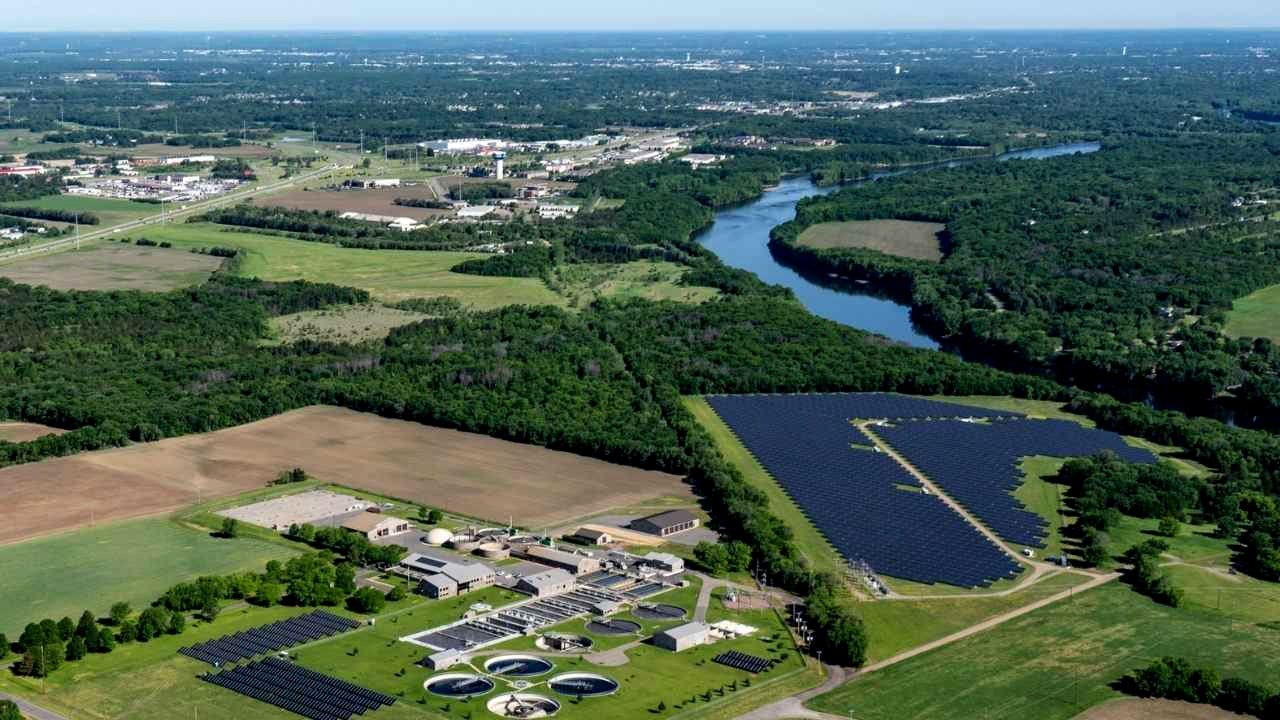
Minnesota’s recent water system cyberattack is a sharp reminder that the stuff people rely on most can be fragile in ways they never see. Hackers reached operational controls at more than 30 community water systems across the state, and the ripple effect stretched into at least six other states as investigators looked into the breach. Officials say the incident forced some utilities to switch to manual procedures, exposed weak spots in local infrastructure, and raised bigger questions about how prepared small towns really are.
For most people, a tap is just a tap. But behind that ordinary routine sits a web of computers, automated controls, pumps, valves, and communication gear that keep water moving and treated correctly. When those systems get hit, even briefly, the disruption can be immediate, and the pressure on local crews can pile up fast.
The attack unfolded over two days, July 26 and July 27, and Minnesota IT Services quickly stepped in with the state’s cybersecurity response. Federal help followed, including agencies like the FBI, CISA, and the EPA, because this was not treated as a routine glitch. In some places, a water plant went offline for a short time, while in others the problems showed up in communications equipment or automated controls.
One of the biggest takeaways is that targeted does not always mean fully compromised. A city can be probed, reached, or stressed without losing complete control, but that still counts as a serious warning shot. Braham, Plymouth, South St. Paul, and Maple Plain all reported some level of trouble, and local workers leaned on backup steps to keep service going.
The question of who was behind it remains unsettled. Early reporting pointed toward Iranian hackers as a likely suspect, but that is still a preliminary assessment, not a final answer. President Donald Trump rejected the Iran claim, and investigators have also left open the possibility that someone could be trying to frame another actor.
The timing matters because federal warnings have been building for months. CISA previously flagged Iranian-affiliated hackers as a threat to internet-connected programmable logic controllers, the devices that help run physical equipment at water systems and other critical sites. The agency later widened that warning to include more manufacturers, which only added to the sense that the threat is broader than one state or one utility.
What makes water systems such tempting targets is the mismatch between the size of the job and the size of the staff. The United States has about 170,000 drinking water and wastewater systems, and many of them are small, old, and stretched thin. Some have strong cyber defenses, but many do not have the budget, people, or gear to keep up with fast-moving threats.
That gap is where trouble grows. Large utilities may have dedicated security staff watching for unusual activity, while small towns often depend on a few workers who already handle everything from broken equipment to after-hours emergencies. Add older technology into the mix, and the odds of finding exposed systems climb fast.
A cyberattack does not automatically mean contaminated water, and Minnesota officials said there was no known impact on drinking water quality. Still, the EPA has warned that attackers could disrupt treatment, damage equipment, or interfere with the processes that protect public health. That is why manual backup procedures matter so much, even if nobody likes to think about using them.
CISA has urged operators to separate vital control systems from less trusted networks and limit unnecessary internet exposure. When remote access is unavoidable, stronger safeguards need to sit in front of the controllers, not after the damage is done. Default passwords, shared accounts, and sloppy access rules are the kind of basic mistakes that leave a door wide open.
Residents can’t harden a utility plant from home, but they can stay alert when incidents like this hit the news. Official updates should always come from local government or the water utility itself, not from rumor mills or random posts. If a boil-water notice or service alert appears, it should be taken seriously right away.
It also pays to watch for scams, because criminals love to piggyback on panic. Fake outage texts, billing threats, and phony payment links can arrive fast after any public disruption, and they often sound convincing enough to catch people off guard. A little caution goes a long way when the real threat is already loud enough.
The larger problem is bigger than one state and one week. Water systems sit at the intersection of public trust, aging infrastructure, and modern digital risk, and attackers know that pressure point well. The next breach may not look exactly the same, but it will almost certainly aim at the same weak seam: a critical service that too many communities still assume is safe by default.

1 Comment
Can apply nationwide must remedy