
The shocking death of 18-year-old Henry Nowak in Southampton has sparked outrage after claims he was chased, stabbed, then handcuffed while bleeding out, and public figures have blasted police actions and the suspect’s conduct. New details from the trial point to a phone recording, a large blade, and a mother allegedly stashing the weapon, while high-profile voices demand answers and legal action.
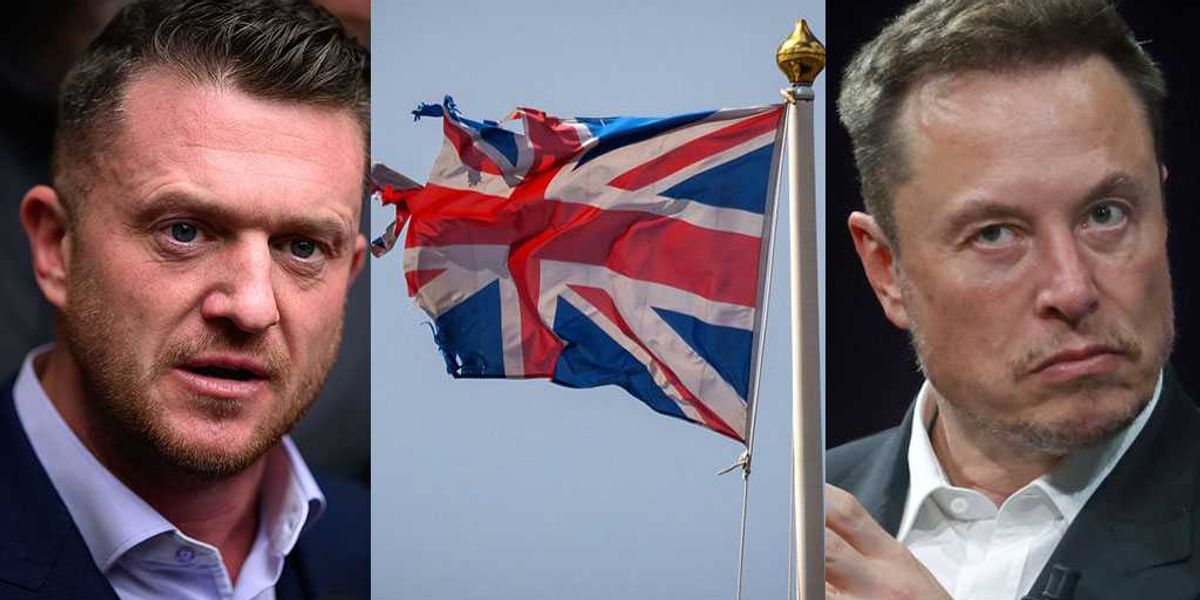
Anger has surged as the case has unfolded, with critics saying this was a catastrophic failure by people sworn to protect. Tommy Robinson called the evidence “f**king outrageous” and highlighted how the incident ties into broader debates about public safety and social cohesion.
Elon Musk, who has publicly criticized the treatment, described Nowak’s apparent handling by officers as “unconscionable.” Musk wrote that “This poor boy was running away from someone who stabbed him & stole his phone, but the police in the UK attacked him instead of his murderer!” and has vowed to fund a wrongful death lawsuit.
https://x.com/TRobinsonNewEra/status/2056832804701225156?s=20
The Hampshire and Isle of Wight Constabulary says officers were called to Portswood at about 11:30 p.m. on Dec. 3, 2025, and found Nowak suffering multiple stab wounds. A departmental release posted in the days after the killing was later removed from the force website, which has only intensified public suspicion and calls for transparency.

The force has charged Vickrum Digwa and his mother, Kiran Kaur, in connection with Nowak’s death. Police say Nowak was pronounced dead at the scene, but court testimony and trial exhibits have painted a more detailed, and darker, picture of what happened that night.
Prosecutors told jurors about footage, phone evidence, and witness accounts that suggest a sequence of events far beyond a simple street altercation. Key points presented at trial include:
- Nowak was heading home from a night out with teammates, reportedly within the drink-drive limit and in good spirits before the encounter.
- He filmed parts of the interaction and captured Digwa openly carrying an unusually large Sikh blade alongside a smaller kirpan.
- Police say Nowak’s phone, containing that footage and a clip where the suspect says “I am a bad man,” was later found in Digwa’s pocket.
- Neighbors reportedly heard Nowak calling for help after he was stabbed; he tried to scale a fence to escape while wounded and bleeding.
- Rather than seek aid, prosecutors allege Digwa accused the dying teenager of being racist and drunk, and his mother took the large knife back to the family home where it was hidden among other weapons.
- Laboratory analysis reportedly found the mother’s DNA, hairs from Digwa, and Nowak’s blood on the weapon, while Digwa offered a prepared statement blaming an alleged “drunken, racist attack” for his response.
Jurors were also shown bodycam footage from officers who first found Nowak slumped against a wall and propped up by a family member. In that footage the victim repeatedly tells officers he has been stabbed and is in distress, and his words—captured for the court—reflect his worsening condition as he lay bleeding.
According to testimony, the young man was handcuffed while on his side as blood pooled beneath him and he pleaded for help. Only after he collapsed did officers begin first aid, and a doctor arriving by helicopter could not save him.
British politician Robert Jenrick warned about the chilling optics of the episode: “A student was stabbed with a ‘shashtar’ knife on a night out. As he lay bleeding to death, his attacker claimed he’d racially abused him, so the police handcuffed him. Henry Nowak choked to death, in a puddle of his own blood under arrest for ‘racism’, in Britain, in 2025,” and pressed, “Will there be protests at his death? Will the anti-racism movement even bat an eyelid? I suspect not. They’ve totally lost the plot.”
The local force has not publicly answered probing questions from critics about why the call for help did not lead to faster life-saving care, and officials in the area have so far remained largely silent. With a jury hearing the evidence, families, activists, and public figures are watching closely as demands for accountability grow louder.
