
South Korean conglomerates are not just about cars; they run factories that span consumer vehicles, heavy industry, defense systems, and even leisure destinations. This article breaks down how a single corporate group can pivot from building hatchbacks and SUVS to producing tanks, manufacturing industrial equipment, and developing island resorts. You will get a clear, neutral look at the business logic, the range of products and projects, and why that breadth matters for jobs, exports, and national industry.
At street level you see the familiar lineup of sedans, hatchbacks and SUVS, complete with shiny showrooms and international advertising. Behind those consumer models sits massive engineering investment, supply chains that feed parts plants around the world, and ongoing research into electrification and software. Automaking is often the headline product, but it is deeply connected to the group’s other industrial capabilities, which helps explain why the car side can scale up quickly when markets shift.
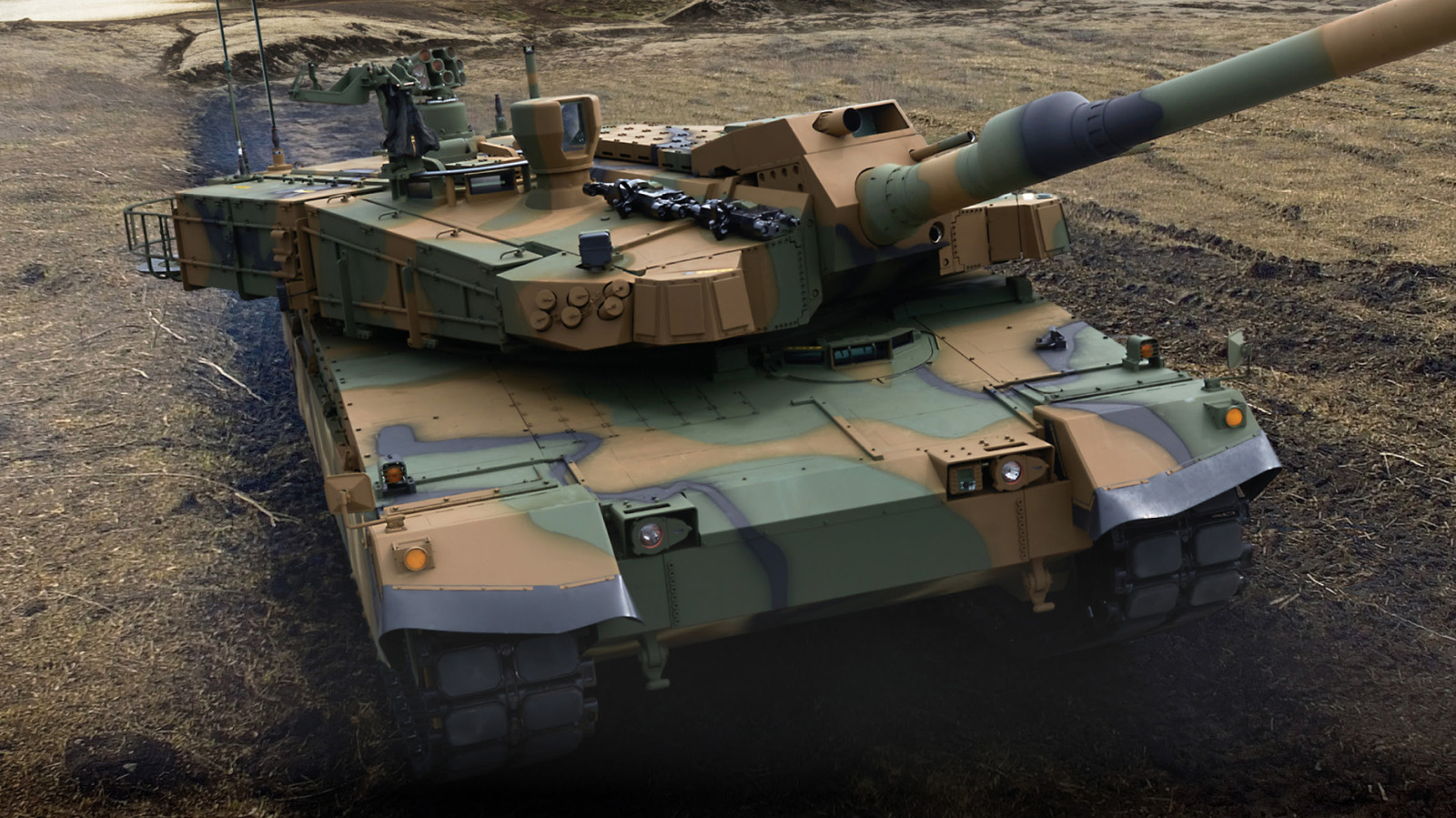
The same corporate group that sells family hatchbacks also makes military gear, including tanks and armored vehicles, under domestic defense contracts and international sales deals. Building such systems requires heavy machining, precision metallurgy, and integration of electronics and propulsion systems long familiar to the company’s industrial divisions. That ability to move from consumer comfort to battlefield durability is a function of scale and long-term industrial know how, not a simple brand extension.
Industrial equipment is another major pillar, with factories churning out excavators, cranes, engines, and construction machinery that keep infrastructure projects moving. These products demand robust manufacturing lines, aftermarket services, and global logistics capabilities, which the conglomerate already funds through its automotive and shipbuilding units. When you see a tower crane on a skyline, it is often the visible tip of a larger industrial ecosystem that includes production yards, parts warehouses, and training centers.
Shipbuilding and heavy fabrication remain central to the group’s portfolio, feeding both commercial and defense markets with hulls, offshore platforms, and propulsion systems. Expertise in welding, hull design, and marine engineering translates into higher-value naval contracts and offshore energy projects. Those projects tie into domestic employment, port infrastructure, and export earnings, making the group a strategic industrial partner rather than just a consumer brand.
On the other end of the spectrum, the conglomerate designs and operates resorts, including island developments that combine hospitality, real estate, and infrastructure work. Developing a resort draws on the company’s construction business, its engineering teams for utilities and transport, and its marketing power to attract tourists and investors. Those leisure projects can be profitable standalones while also serving as showcases for construction capabilities and urban design expertise.
Strategically, the conglomerate benefits from vertical integration and diversified revenue streams that smooth out cyclic dips in any one sector. Parts made for cars can be repurposed or redesigned for industrial machines, and heavy equipment expertise supports defense manufacturing when governments boost spending. That flexibility creates advantages, but it also concentrates political and economic influence in a few hands, which brings its own set of governance and competition questions.
For workers and communities, the conglomerate’s reach means regional hubs of employment that cover assembly lines, R and D labs, shipyards, and hospitality services. Exports of vehicles, machinery, and fabricated goods feed trade balances and build relationships with overseas partners and suppliers. While the name on the showroom might feel familiar, the real story is how one organization stitches together a surprising variety of industries into a single economic engine that touches everyday life, national capability, and global trade.
